







JULY 22, 2013|SOCIAL MEDIA
3 Strategic Ways To Use Hashtags For Marketing
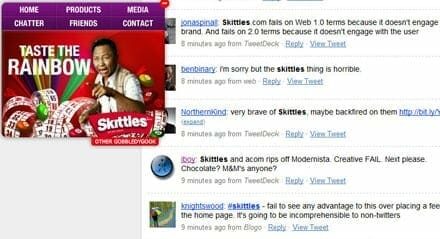
- Selling at the wedding. In a cultural sense, there are some taboos you just don’t break – like trying to sell in the wrong moments. That is true on Twitter as well. One of the highest profile examples of a brand that got this wrong was Kenneth Cole, when they chose to release a tweet during the revolutionary upheaval and fighting in Cairo. Using the hashtag #Cairo, they tweeted “Millions are in uproar in #Cairo. Rumor is they heard our new spring collection is now available online at https://bit.ly/KCairo – KC.” Making it even worse, the tweet was signed “KC” which stood for Kenneth Cole himself. The backlash over a brand that would use a historical and serious event like this (where people were actually dying) to promote a sale was severe. The brand had to retract and offer apologies, but the damage was done.
- Winking in the dark. Perhaps the most common brand problem is using a hashtag without a reason or rationale for why anyone else would want to use it also. The end result becomes a bit like winking at someone in the dark – you know what you’re doing but no one else does. Without a clear idea of why a hashtag exists or why someone might want to use it to join a conversation, the effort of using a hashtag at all is completely wasted. The vast majority of self serving hashtags that brands often use fit into this category … with a collective result of web-wide indifference.
- Joining the wrong conversation. Sometimes a hashtag can be so common that it might already be in use. Not checking for existing memes can lead to embarrassing results … as bakery brand Entenmann’s learned in 2011. They posted the relatively harmless tweet “Who’s #notguilty about eating all the tasty treats they want?” Unfortunately, that same #notguilty hashtag was also currently being used by people who were following the murder trial of Casey Anthony, a mother who was accused of killing her 2 year old daughter. The jury’s #notguilty verdict causes a huge controversy. The brand, of course, pronounced that its association with the trial was a mistake, and not an attempt to make a statement.
Strategy #1 – Create an everlasting conversation.
 Several years ago a group of marketers working in the healthcare industry were planning to attend the rapidly growing South By Southwest (SXSW) Interactive Festival in Austin, but felt frustrated at the lack of panels and conversation devoted to the topic of healthcare. Wanting a good alternative, they banded together to create their own show they called South By Social Health (SXSH). For weeks they used the #sxsh tag (and a secondary tag of #hcsm – “health care social media”) to bring the conversation together. For years after the event, both tags continued to be used to bring digital healthcare conversations together. What’s the lesson for brands? Sometimes a hashtag can offer the ultimate means to foster a conversation on a topic broader than your brand, and let you do it in a way that can last far beyond any one campaign.
Strategy #2 – Offer a compelling incentive.
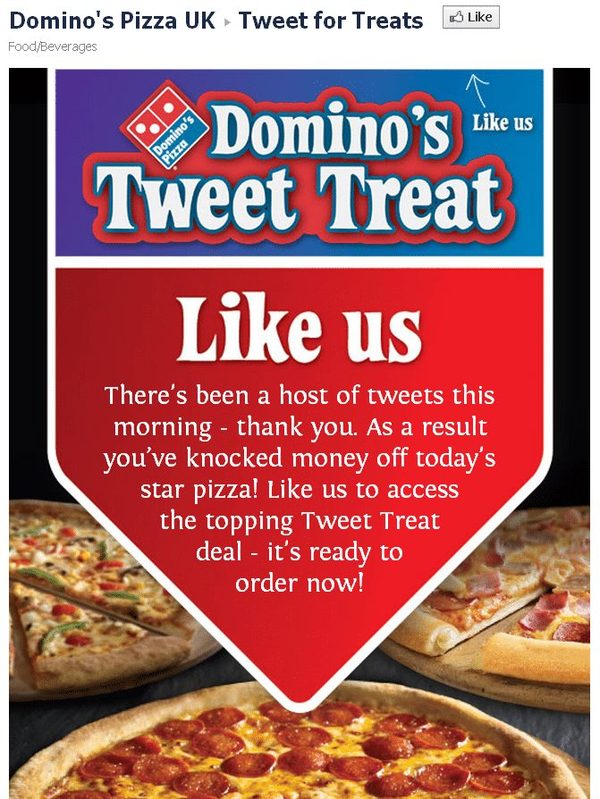 During the Super Bowl this year, it was hard not to notice the number of brands using a hashtag at the end of an ad in the hope that anyone who mentions the ad would use it (on Twitter mainly, since it was before Facebook announced it would support hashtags). That’s easily among the LEAST imaginative ways hashtags have been used in marketing. The smarter retail marketers have experimented successfully with linking hashtags to an incentive promotion. Domino’s Pizza in the UK, for example, got creative several years ago by offering 1 pence off pizza for every person who tweeted #letsdolunch during a specified timeframe. All the Tweets managed to drop the price of a pizza from £15.99 to £7.74 – a deal which was then honored for ALL their customers (even the nontweeting ones). The more brands run hashtags as a key element of a campaign, the more the lesson in Domino’s success becomes clear: having a good incentive makes a huge difference.
Strategy #3 – Take an unconventional viewpoint.
One of the favourite pasttimes of people with too much time on their hands has become sharing the minute details of their lives on a play by play basis … and there is no better social media platform for that type of pontificating than Twitter. Unfortunately, it also leads to regrettable memes defined by hashtags that never seem ready to go away. One of the most popular you may have seen was #firstworldproblems – a joking reference to the fact that people often complain about problems that are not really problems. That hashtag in particular led an inventive advertising team supporting WaterisLife.com to create a video with Haitian citizens reading ridiculous tweets complaining “my house is so big I need 2 wireless routers” and “my mint gum makes my ice water taste too cold.” The end result was a reminder to anyone watching of what really matters … and how much of a difference a small donation can make. The bottom line is, hashtags can be a missed blessing when it comes to marketing. There are clearly as many pitfalls in using them as there are great opportunities. Luckily, there is a growing number of brands realizing real value from using hashtags by getting creative, using incentives, and finding a way to focus on broader conversations. As with most marketing, whether you’re using social media or not, the same basic rule applies. #strategymatters NOTE: This blog post was originally published on Popditto as a featured contribution. See the original here: https://popditto.com/2013/06/using-the-hashtag-to-create-cohesive-campaigns/Book Rohit To Speak
Want to bring these ideas to your next event?
Rohit turns the thinking behind posts like this one into keynotes for audiences around the world, from Fortune 500 leadership teams to global industry conferences.
Learn More About Speaking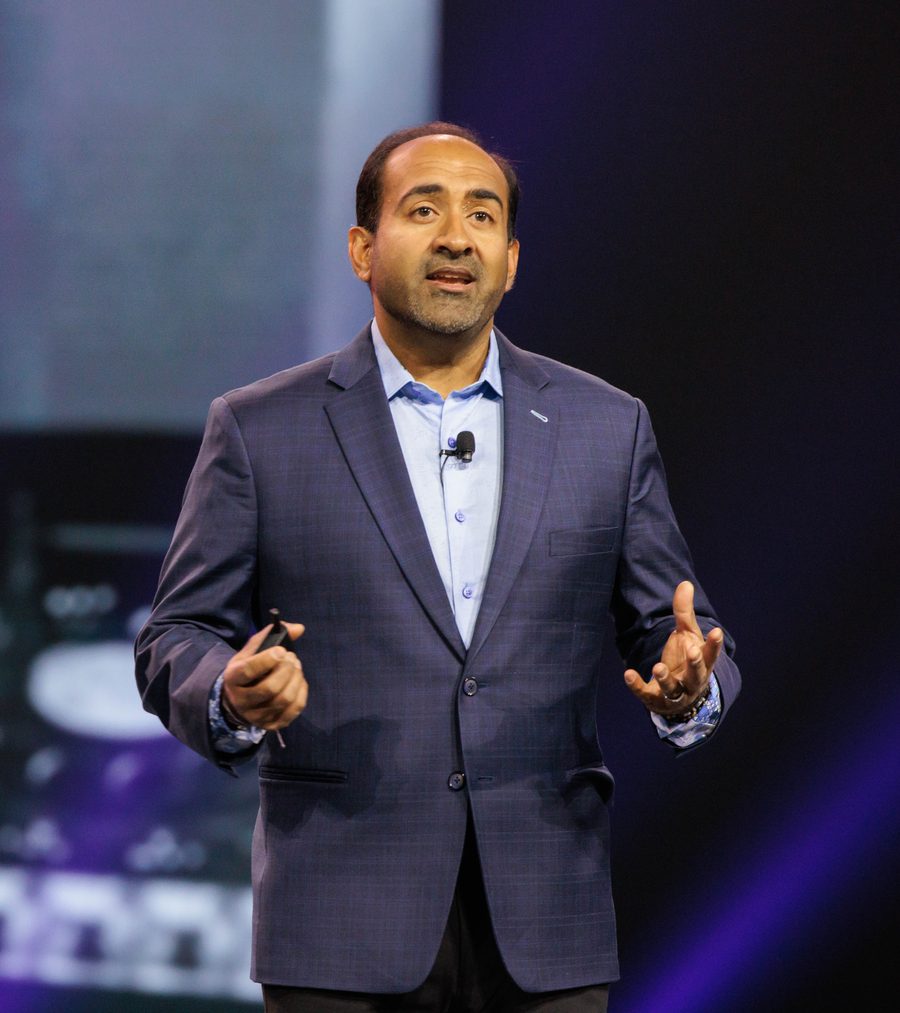
How It All Started
A Short Backstory Of This Blog
This is a blog about non-obvious ideas. Originally launched on the Typepad platform in 2005 as the Influential Marketing blog, the stories at first focused mainly on digital marketing while Rohit worked at Ogilvy Advertising. In 2015 Rohit officially rebranded to the Non-Obvious Insights Blog and published his WSJ bestseller Non-Obvious. For the past twenty one years, this blog has coined new terms, introduced future marketing practices and inspired the next generation of non-obvious thinkers and marketers.