








FEBRUARY 3, 2012|BRANDS & MARKETING
What The Amish Paradox Can Teach You About Marketing
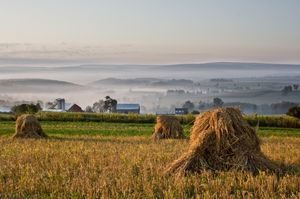 Last year on a trip back to the US from South Africa, I picked up a magazine about a topic I knew very little about. It is of the common tricks I use to learn about different industries outside of the ones I work directly with - and in this case, the magazine I ended up with was called Farmer's Weekly.
The content was as you would expect, advice for farmers on techniques, information about regulations that will affect their industry and ads for tractors and things like that. In the middle of the issue I picked up was a feature article about what the author called the "Amish Paradox"
This paradox describes the unexpected methods that the Amish use when farming their land that are working so well that they are continuing to run their farms profitably without interruption while many other farmers are struggling to make ends meet and often going under as well. What makes the Amish technique so special?
They rotate their crops consistently (planting different items at different parts of the yar. They never use chemical fertilizers and use something called "legume-based pastures' to keep the fertility of their land. They tend to grow smaller fruits and veggies (which some say they are tastier to). Perhaps most importantly, they do what is called "adding value" - by producing additional products such as fresh cheese.
In an industry facing increasing pressure from large industry leaders to plant more genetically modified crops, and focus on volume above all else ... the Amish philosophy stands out. What can you learn from their lesson, even if you are not in farming?
- Stick to your ideals. For the Amish, their farm culture is mixed together with their religion and belief system. Few of our small businesses take such a principled approach, but if you do - it can help serve as a guidepost for what your business will do and how it will evolve, and what you will avoid.
- Think longer term. One of the biggest challenges in any business is to think of the long term and not of today. Crop rotation, for example, is a principle focused on making sure that land remains good for cultivating crops far into the future. Sometimes what it requires is passing up the opportunity to simply plant the most profitable thing every time.
- Avoid following the "experts." The Amish philosophy goes against many experts in the farming industry who push for higher production and instead follows their more traditional path. This tends to draw many critics and also probably causes them to have lower revenues from their crops. Yet this goes back to point #2 - and how your priorities tend to be different if you focus on taking care of your land for future generations instead of just maximizing profit today.
Book Rohit To Speak
Want to bring these ideas to your next event?
Rohit turns the thinking behind posts like this one into keynotes for audiences around the world, from Fortune 500 leadership teams to global industry conferences.
Learn More About Speaking
How It All Started
A Short Backstory Of This Blog
This is a blog about non-obvious ideas. Originally launched on the Typepad platform in 2005 as the Influential Marketing blog, the stories at first focused mainly on digital marketing while Rohit worked at Ogilvy Advertising. In 2015 Rohit officially rebranded to the Non-Obvious Insights Blog and published his WSJ bestseller Non-Obvious. For the past twenty one years, this blog has coined new terms, introduced future marketing practices and inspired the next generation of non-obvious thinkers and marketers.