






NOVEMBER 24, 2008|MEDIA & JOURNALISM
3 Ways To Give Away Content Online (And Still Make Money)
There was a great billboard that the agency I used to work for in Sydney several years ago had created for the launch of Virgin Mobile in Australia. At the time, the other telcos were starting to charge for every feature, so the billboard promoted Virgin's new offering with the declaration - "Voicemail is like sex, you shouldn't have to pay for it." Today, that joke/truth could be equally applied to how people feel about online content. In the age of peer to peer music sharing and ease of cutting and pasting, getting people to actually pay for content is a tough challenge.
There are, however, three models that I've seen used on various sites that do work. To be clear, I'm not talking about monetizing content. There are lots of ways to fund content creation through selling advertising or capturing profile data for a sales cycle. This post is about getting some to pay directly for content that you're creating. In fact, having this arrangement means that you can be more selective about the advertising you accept, or choose to forego it altogether. So here they are:
- Partial Access | Full Access. The simplest example of this is music download sites that let you get a 30 second sample of a song, but not the entire thing. I'm using a similar technique to market Personality Not Included by offering several sample excerpts in various spots online. Essentially, partial access can work if you have the type of content where someone can view a part of it and find enough value to be willing to pay for the rest.
- Standard Version | High Def Version. A good example of this is last night's release of the television show 24 with Kiefer Sutherland, and how they will be offering a "Director's Cut" version on DVD this Tuesday. Aside from realizing the viral nature of the show, the DVD promises an inside look at the rest of the season. In other words, it's an enhanced version of the 2 hour premiere with bonus content. Again, offering a reason for people to want to purchase the expanded version even if they had already seen the whole episode for free.
- Limited Time | Archive. The site that uses this technique to great effect is MarketingSherpa. All the new articles published on the site are free to read for the first 2 weeks, and then they become part of an archive that you need to pay to access. UPDATE: MarketingProfs uses this technique similarly by offering users free access for a limited time to their vast collection of case studies and resources. Many newspapers and other media properties are also starting to use this method, realizing that their archives are worth something to people who need a particular type of information.
Have you discovered any other techniques for giving away content online and still being able to make money on it? Let me know and I'll update the list above with your example.
Book Rohit To Speak
Want to bring these ideas to your next event?
Rohit turns the thinking behind posts like this one into keynotes for audiences around the world, from Fortune 500 leadership teams to global industry conferences.
Learn More About Speaking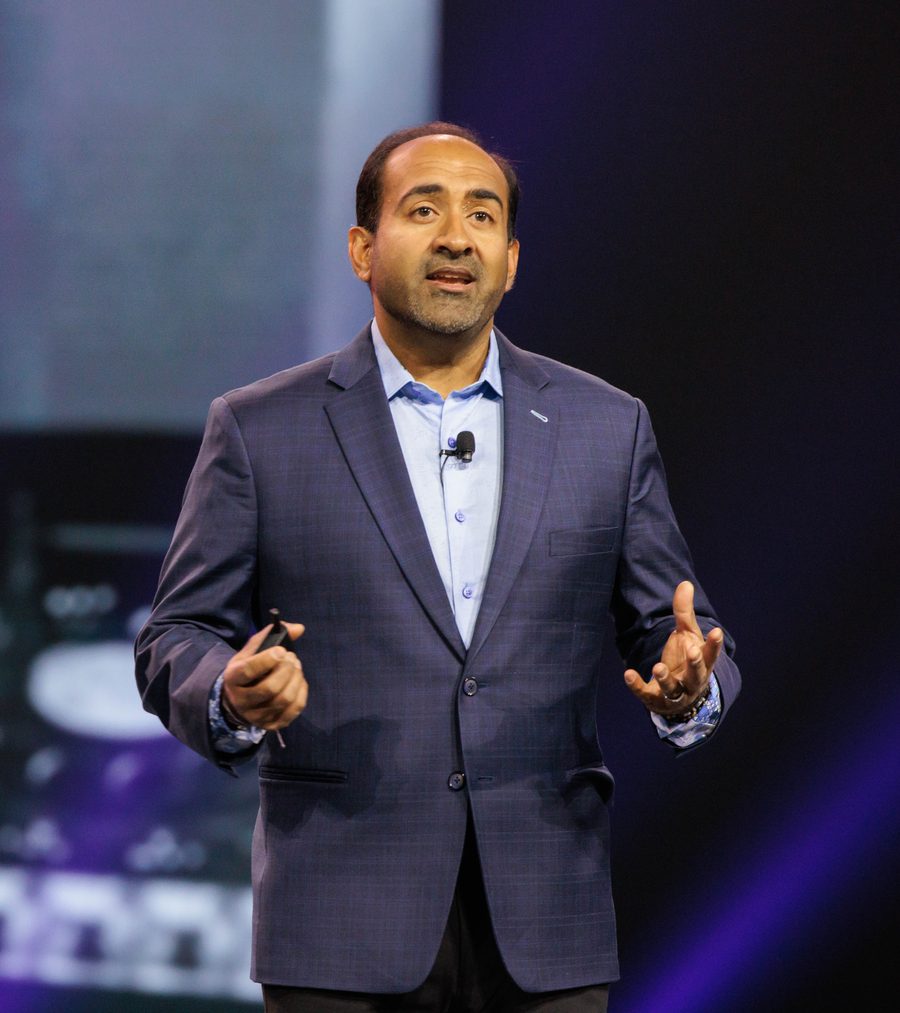
How It All Started
A Short Backstory Of This Blog
This is a blog about non-obvious ideas. Originally launched on the Typepad platform in 2005 as the Influential Marketing blog, the stories at first focused mainly on digital marketing while Rohit worked at Ogilvy Advertising. In 2015 Rohit officially rebranded to the Non-Obvious Insights Blog and published his WSJ bestseller Non-Obvious. For the past twenty one years, this blog has coined new terms, introduced future marketing practices and inspired the next generation of non-obvious thinkers and marketers.