






APRIL 29, 2022|HEALTHCARE
3 Ways To Transform How the Organ Donation Process Works To Save Lives

Everything about organ transplants is hard. There are a few things that could make the entire process easier and help save more lives, as an article from The Walrus explores. The first is governments switching to a presumed opt-in for organ donation, which means someone would need to specifically opt out of donating their organs ... otherwise authorities can assume they are willing donors. That move alone could lead to an estimated increase of 20% to 30% of organs donated.
A second solution comes from an idea two doctors had to build a machine that operates like a portable human body that you can "plug" an organ into and it will recycle blood through it to keep that organ viable longer, allowing more time for transport. Finally, a new machine can help to "revive" a lung that was otherwise deemed unfit for transplant. Testing on a dozen rejected lungs resulted in a stunning 100% success rate in repairing each of the lungs enough for transplantation.
Given the long transplant waiting list and the life or death situations typically involved, a combination of these three moves has the potential to transform organ transplanting in Canada ... and potentially provide a model for how to do the same across the rest of the world.
Book Rohit To Speak
Want to bring these ideas to your next event?
Rohit turns the thinking behind posts like this one into keynotes for audiences around the world, from Fortune 500 leadership teams to global industry conferences.
Learn More About Speaking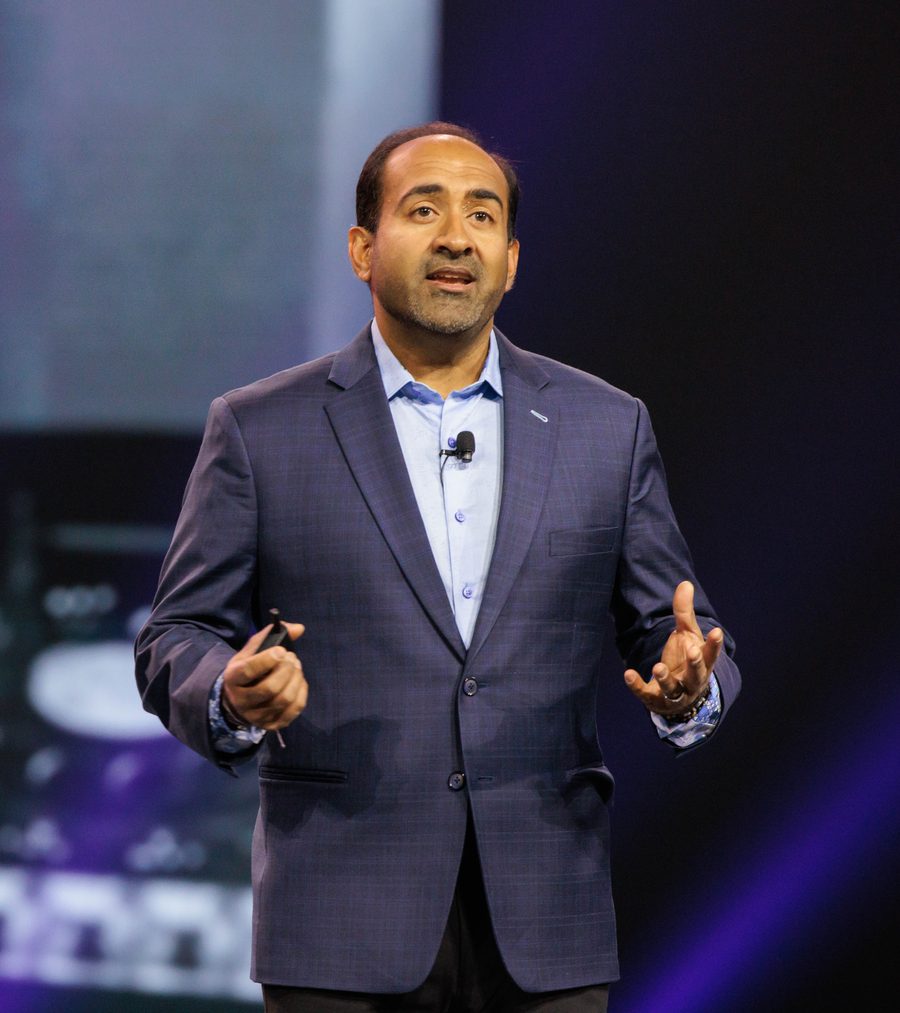
How It All Started
A Short Backstory Of This Blog
This is a blog about non-obvious ideas. Originally launched on the Typepad platform in 2005 as the Influential Marketing blog, the stories at first focused mainly on digital marketing while Rohit worked at Ogilvy Advertising. In 2015 Rohit officially rebranded to the Non-Obvious Insights Blog and published his WSJ bestseller Non-Obvious. For the past twenty one years, this blog has coined new terms, introduced future marketing practices and inspired the next generation of non-obvious thinkers and marketers.