







DECEMBER 24, 2024|ADVERTISING
4 Non-Obvious Upsides of the Big Omnicom + IPG Acquisition
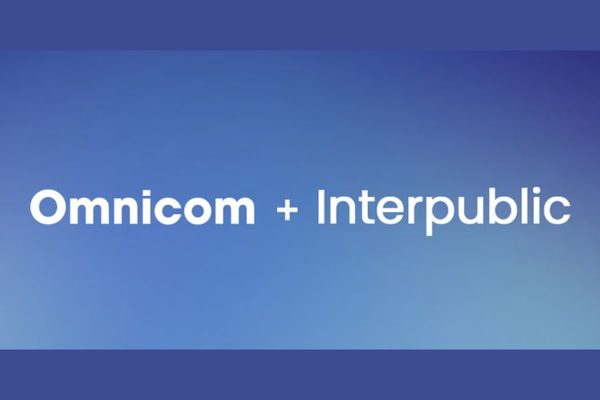
This past week was panic-inducing across the advertising industry. Two of the "big four" agency holding companies intend to join forces to create the biggest ad agency in the world with over 100,000 employees and an estimated $25B in revenue. The part of the news causing the most fear across the industry probably boils down to one thing summed up in this sentence from multiple stories:
"Omnicom executives said they had “clearly identified opportunities” for $750 million in annual cost savings."

Cost savings usually equals job losses. And this time of year, no one wants to worry they may lose their job. If the deal passes what is likely to be minimal anti-trust scrutiny once the new administration takes over, there are some positive outcomes that will likely come through as well:
- Conflicts create work. The many agency groups within both holding companies will surely have large brand conflicts. They will be forced to make some tough choices and resign accounts, which will create opportunities for other agencies.
- Mergers create nudges for already unhappy people to bail. Anyone working in an agency role but suffering unhappily will take a package or find some other way to make their exit ... which is ultimately a good thing for everyone involved.
- Small agencies will be more appealing. For clients wary of putting all their eggs into an even smaller basket of holding companies, the smaller agencies that offer a nimbler way of working and unencumbered thinking will suddenly look more appealing.
- Consolidated media buying power lets us demand change. As fears of tech monopolies continue, one upside of large agency media buying is that the more money is concentrated, the more brands and media buyers can be in a position to demand certain policy changes from big tech players such as more focus on data protection and teen safety.
What do you think? Are these too optimistic - or are there other upsides you're thinking about too?
Book Rohit To Speak
Want to bring these ideas to your next event?
Rohit turns the thinking behind posts like this one into keynotes for audiences around the world, from Fortune 500 leadership teams to global industry conferences.
Learn More About Speaking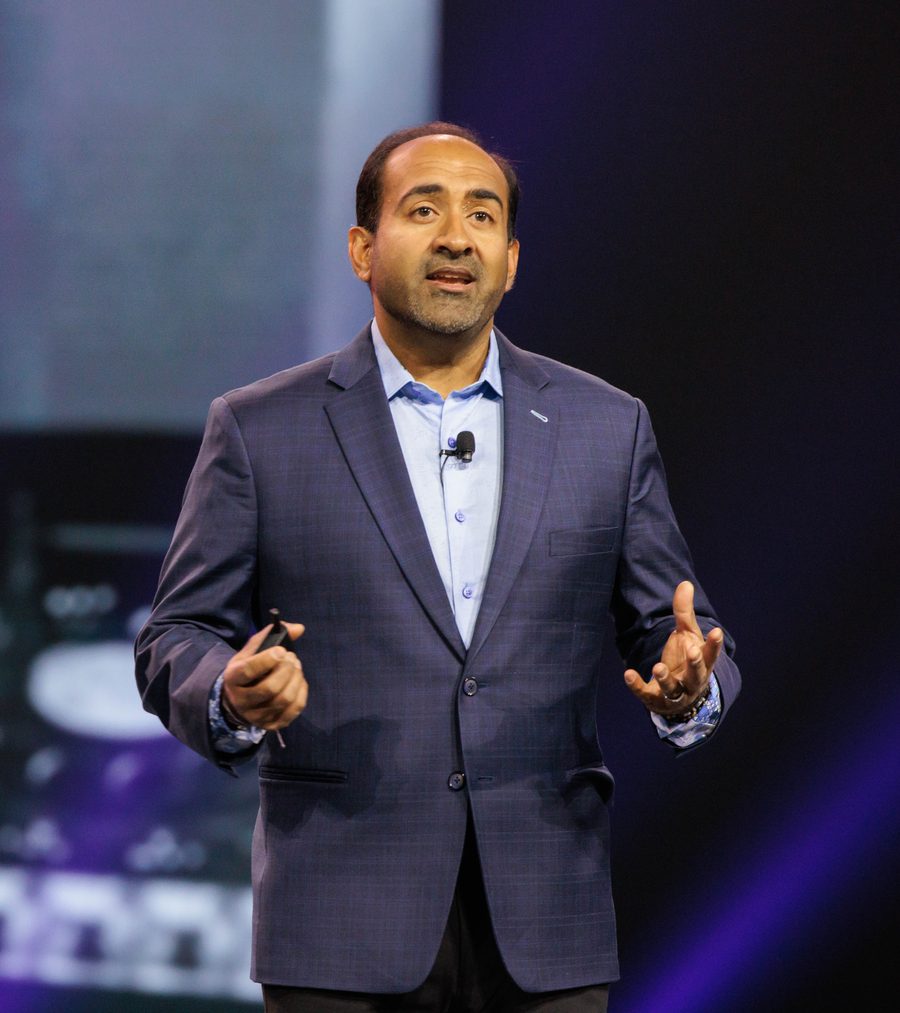
How It All Started
A Short Backstory Of This Blog
This is a blog about non-obvious ideas. Originally launched on the Typepad platform in 2005 as the Influential Marketing blog, the stories at first focused mainly on digital marketing while Rohit worked at Ogilvy Advertising. In 2015 Rohit officially rebranded to the Non-Obvious Insights Blog and published his WSJ bestseller Non-Obvious. For the past twenty one years, this blog has coined new terms, introduced future marketing practices and inspired the next generation of non-obvious thinkers and marketers.