







MAY 20, 2010|REAL ESTATE & HOME BUILDING
5 Marketing Techniques Luxury Real Estate Agents Use
 Not all of us are in the market for a 40,000 square foot villa in the hills of California. In fact most of us probably aren't, so the world of luxury real estate is one that seems like an exclusive mystery. It is a shame that few of us do get to experience this world, because when it comes to marketing there is a lot that anyone could learn from how luxury real estate and real estate agents in particular run their businesses. What they know about marketing and sales is based on what they have had to learn to make those multi-million dollar home sales. Here are just a few of the lessons you could take from the world of luxury real estate:
 - Focus on your personal brand to demonstrate credibility. One thing that just about every real estate agent does more than almost any other industry (apart from entertainment) is focus on their personal brands. Often you see the story of the agent's career and how he or she made it to that point. You can read what they are interested in and how many medals of honor or salesperson of the year awards they have won. All of this is designed to give you a sense of who they are before you consider working with them. In the world of real estate personal branding has everything to do with your reputation ... and that reputation is a big part of how you can get deals done.
- Better target your communications to save yourself time. How many ads do you see for luxury real estate crammed into the yellow pages? Or through a banner ad on Forbes.com? Most advertising when it comes to luxury real estate comes from custom regional magazines, luxury publications and other highly targeted sources. Why? Because one thing that luxury real estate agents understand is that hitting the wrong consumers will result in one big downside: they will end up wasting their own time. So the advertising is a function of selection because they only want to reach people who are real prospects to potentially purchase a home from them. They don't care about reaching millions or even about reaching thousands. They care about reaching the right dozen people, period.
- Use professional imagery to sell. We generally know about real porn, and food porn, but luxury real estate publications are an entirely different category that could almost be called house porn. They feature lustworthy images of houses, villas and mansions that most people only dream about even walking into. And all of it is listed alongside a tantalizing price that would buy you the rights to claim ownership of that dream, if you had the money. The imagery sells the houses and encourages you to dream.
- Promote the community you will be joining. When you buy a luxury property, you are not just buying your own property but also entry into a particular neighborhood and even a way of life. As a result, you want to know who else lives in the neighborhood and more about the community you will be joining. It may not mean you'll be best friends or even interact with those others, but just knowing about the community and what you are part of gives you an important story that you can share with others and help you to feel a sense of belonging in the community which could be a powerful motivator to purchase.
- Throw in an unexpected benefit/offer. One thing I love about luxury real estate is that the "freebies" are often completely unexpected and sometimes irrelevant things, but could sway the right buyer. For example, I saw one property listed where purchasing it would also mean that the title of "Count of Carbona" would convey to the new owner. So not only do you buy a new castle - you get to be a Count too. Another property offered up a garage full of exotic cars along with the house. When you are buying a luxury property, those small things may not add up to a significant portion of the cost, but could mean the world when it comes to helping a customer establish an emotional connection with a property based on more than just hard details like the bathroom count or location.
Rohit speaks on this topic. See his marketing keynote.
Book Rohit To Speak
Want to bring these ideas to your next event?
Rohit turns the thinking behind posts like this one into keynotes for audiences around the world, from Fortune 500 leadership teams to global industry conferences.
Learn More About Speaking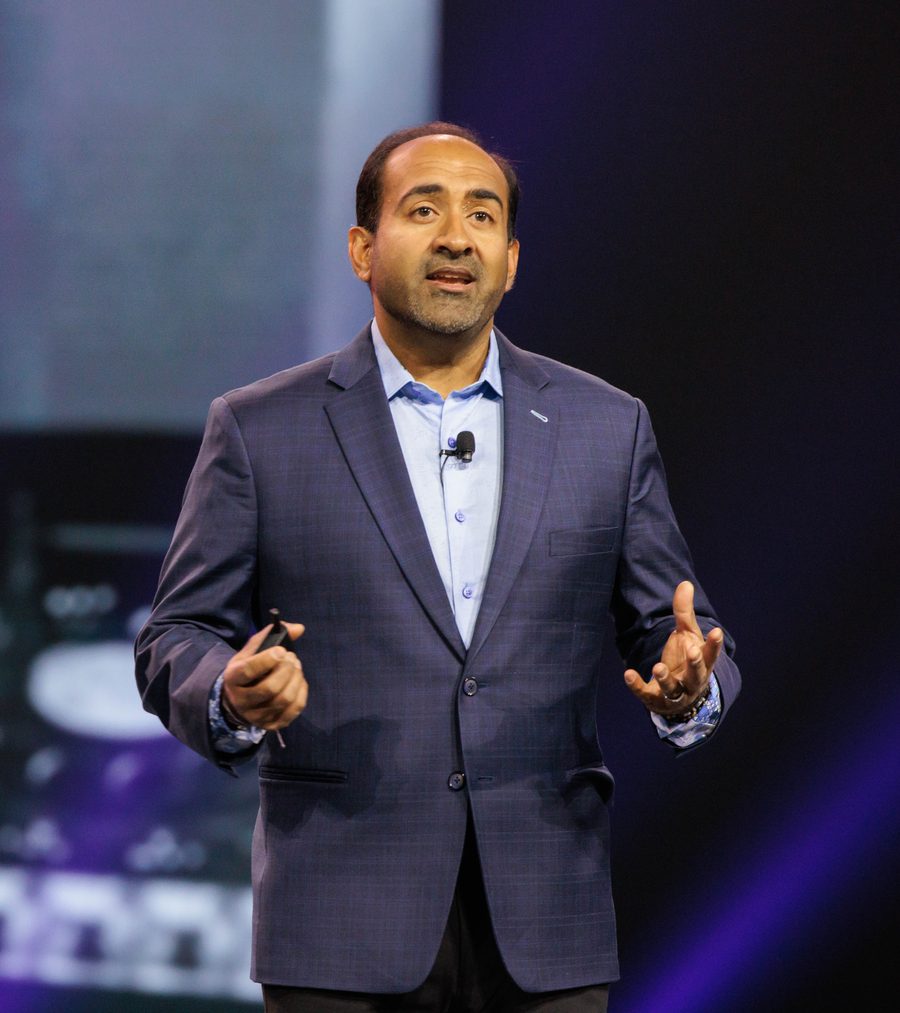
How It All Started
A Short Backstory Of This Blog
This is a blog about non-obvious ideas. Originally launched on the Typepad platform in 2005 as the Influential Marketing blog, the stories at first focused mainly on digital marketing while Rohit worked at Ogilvy Advertising. In 2015 Rohit officially rebranded to the Non-Obvious Insights Blog and published his WSJ bestseller Non-Obvious. For the past twenty one years, this blog has coined new terms, introduced future marketing practices and inspired the next generation of non-obvious thinkers and marketers.