








DECEMBER 19, 2012|BRANDS & MARKETING
5 Smart Ways For Using Video To Sell Products

1. Tell your backstory.
I selected "Backstorytelling" as one of my big trends to watch for 2013 because it relates to a basic emotional truth of consumer behaviour ... that the more people care about your brand the more likely they are to go from just being a customer to being a passionate evangelist. The backstory for Bellroy is shared through the video below, which takes you into the creative process that the team used for everything from creating the visuals for the website to sketching out their logo.2. Show how the product really works.
This probably sounds like the most basic advice ever, but so many marketing videos focus on building the brand or only show a product incidentally. The team at Bellroy realizes that the best way to demonstrate the value of their products are to use time lapse images to show how all your cards and cash actually fit into each wallet. And at the end of each video, you see a real person take the wallet and carry it out with them - a visual reminder of their brand mission to "improving the way we carry."3. Customize each product's personality.
Most of the time when you consider creating product videos, the easy thing to do is to try and reduce the number of videos you create or how different they are by following a very standard template. Templates can certainly help to unify an experience across products ... but taking the time to create individual personalities for products can help them to stand apart. For example, the playfully named "Hide & Seek Wallet" has a hidden pouch to put extra money ... and the video ends with a magic disappearing trick for the wallet. It's the perfect combination of utility and quirkiness that helps that product have an identity of its own.4. Only use as much narration as you need.
Every video in the collection of product videos includes a small amount of text and no voice over. As a result, your focus is on the products and how they work, with only a minimal amount of explanation. Not only does this add to the simplicity of the message, but it makes the videos shorter and more watchable as well.5. Prioritize the brand experience.
When it comes to sharing videos online, it's tempting to just default to posting videos on YouTube. The problem is, the quality is not always great. For Bellroy, this meant sharing all of their product videos on the higher quality platform of Vimeo. While they may miss out on distribution from random people who happen to be searching for videos, the quality of each product video that is embedded onto each product page was considerable higher - matching the premium look and feel and positioning of the products.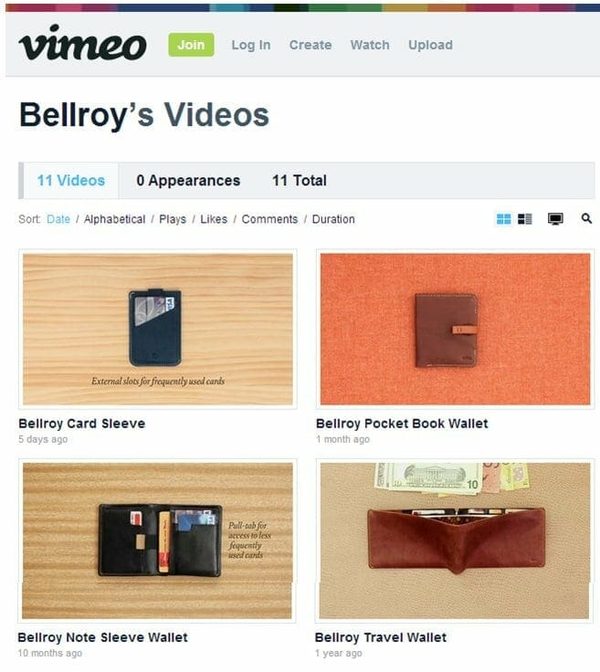
Book Rohit To Speak
Want to bring these ideas to your next event?
Rohit turns the thinking behind posts like this one into keynotes for audiences around the world, from Fortune 500 leadership teams to global industry conferences.
Learn More About Speaking
How It All Started
A Short Backstory Of This Blog
This is a blog about non-obvious ideas. Originally launched on the Typepad platform in 2005 as the Influential Marketing blog, the stories at first focused mainly on digital marketing while Rohit worked at Ogilvy Advertising. In 2015 Rohit officially rebranded to the Non-Obvious Insights Blog and published his WSJ bestseller Non-Obvious. For the past twenty one years, this blog has coined new terms, introduced future marketing practices and inspired the next generation of non-obvious thinkers and marketers.