








JUNE 20, 2005|MEDIA & JOURNALISM
Content Protection, Piracy and Fair Use
A contract between Google and the University of Michigan released publicly on Friday contains no provisions for protecting the privacy of people who will eventually be able to search the school's vast library collection over the Internet. (Cnet Report)
Here's another hurdle in Google's ambitious project to catalogue works from many libraries in a vast online resource center of materials - now there are privacy concerns in addition to the content copyright concerns of transferring such a large collection of copyrighted materials into a digital format to be shared with the world.
Where do we draw the line between the utopian vision of content to be shared by all for the betterment of humanity and the rights of content creators. Especially in this world of eroding respect and/or protection of intellectual property? This question was the subject of several opinionated presentations at the 2nd Annual Digital Media Conference that I attended this past Friday. I have to say, the best quote from the conference was Gary Shapiro (President & CEO, Consumer Electronics Association) talking about his teenage sons who (according to him) download tons of music for sampling, and then go out and buy tons of CDs. Yeah, right.
He did have an interesting take on the difference between what is immoral and what should be illegal, though. The unspoken conclusion seemed to be that consumer electronics which may help foster admittedly immoral activities of file sharing and swapping should not be illegal and the courts should not uphold them as such. Of course, this guy has a vested interest in some consumer electronics products which need the proliferance of digital files (and file swapping to some degree) in order to thrive. Ok, the iPod may be the one exception to that rule.
Contrasted with this, Fritz Attaway of the MPAA was also there to talk about the rights of the big movie studios and what the potential outcomes and waves in the industry might be after the Grokster hearing. His view was that the studios need to make money and cannot possibly shift to a television based model where the costs of distribution are covered by advertising ... unless we want to only see movies that are funded by product placement. The best question came from Ted Cohen, SVP of Digital Development and Distribution at EMI music what the definition of fair and reasonable use of digital files should be. Until we have a common answer to this question, the gray areas in content and copyright protection, regardless of the medium, will continue.
Book Rohit To Speak
Want to bring these ideas to your next event?
Rohit turns the thinking behind posts like this one into keynotes for audiences around the world, from Fortune 500 leadership teams to global industry conferences.
Learn More About Speaking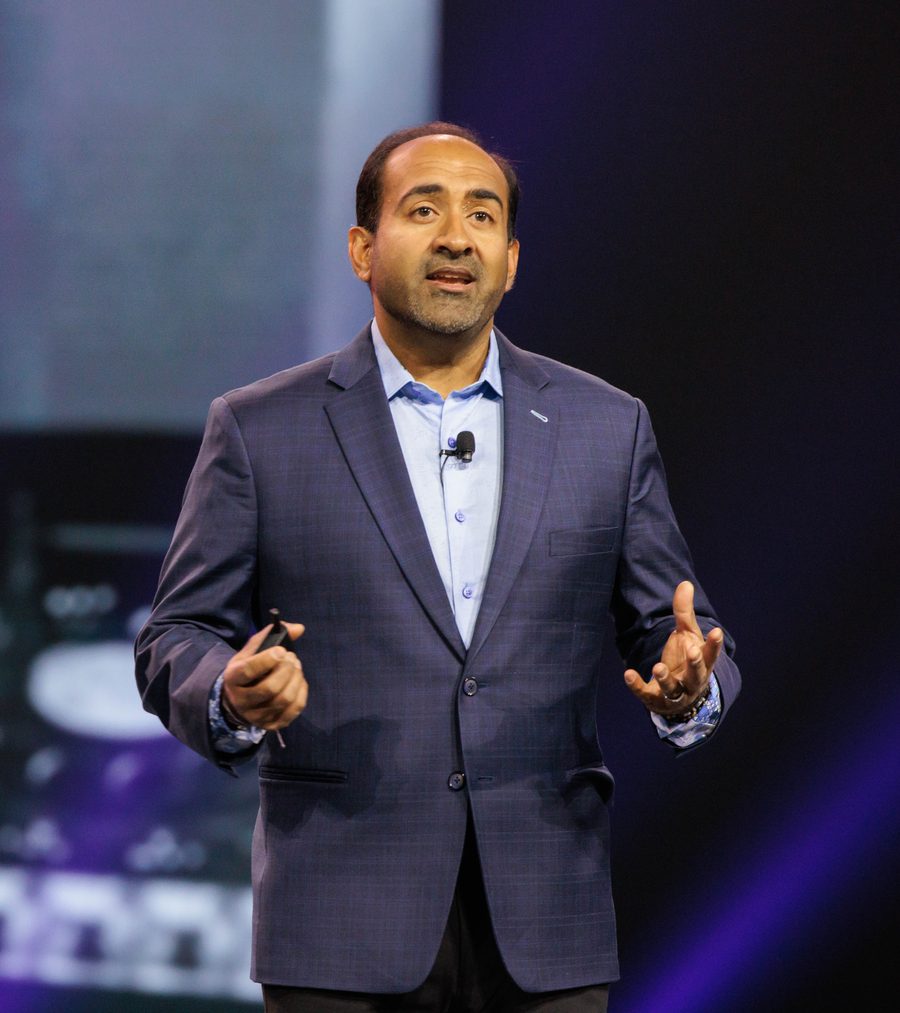
How It All Started
A Short Backstory Of This Blog
This is a blog about non-obvious ideas. Originally launched on the Typepad platform in 2005 as the Influential Marketing blog, the stories at first focused mainly on digital marketing while Rohit worked at Ogilvy Advertising. In 2015 Rohit officially rebranded to the Non-Obvious Insights Blog and published his WSJ bestseller Non-Obvious. For the past twenty one years, this blog has coined new terms, introduced future marketing practices and inspired the next generation of non-obvious thinkers and marketers.