








MAY 12, 2025|TECHNOLOGY & SOFTWARE
After More Than Half a Century, Obscure Chinese Typewriter Gets Rediscovered
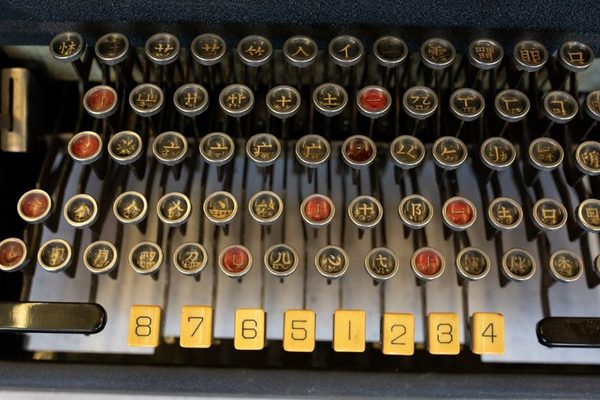
Back in 1947, Chinese writer, translator, and linguist Lin Yutang accomplished what many described as impossible. He developed the first compact typewriter design with a keyboard that could produce the Chinese language’s 80,000-plus characters. He did this by using “a sort-and-search method … breaking down Chinese ideographs into more fundamental components of strokes and shapes and arranging the characters in a linear order, like an English dictionary does with alphabetic words.” The machine was “known as the MingKwai — named for being “clear and fast” — the only one of its kind in the world.”

At the time, the typewriter was considered too expensive to produce and never entered production. Eventually it disappeared for more than fifty years—until being rediscovered in someone’s grandfather’s basement in New York. The story has all the elements of a potential movie (or perhaps a book) about an entrepreneur’s unrequited vision and maybe the larger context of the Chinese cultural revolution that happened a generation later. Of course, it’s also possible I have an overactive imagination … but this was the sort of story that you just can’t help yourself from filling in the gaps.
Related Posts
Book Rohit To Speak
Want to bring these ideas to your next event?
Rohit turns the thinking behind posts like this one into keynotes for audiences around the world, from Fortune 500 leadership teams to global industry conferences.
Learn More About Speaking
How It All Started
A Short Backstory Of This Blog
This is a blog about non-obvious ideas. Originally launched on the Typepad platform in 2005 as the Influential Marketing blog, the stories at first focused mainly on digital marketing while Rohit worked at Ogilvy Advertising. In 2015 Rohit officially rebranded to the Non-Obvious Insights Blog and published his WSJ bestseller Non-Obvious. For the past twenty one years, this blog has coined new terms, introduced future marketing practices and inspired the next generation of non-obvious thinkers and marketers.