








AUGUST 2, 2021|RETAIL & ECOMMERCE
American Consumers Suck. The Pandemic Has Made Them Worse.

“For generations, American shoppers have been trained to be nightmares. The pandemic has shown just how desperately the consumer class clings to the feeling of being served. The experience of buying a new television or a double cheeseburger in a store has gotten worse in your lifetime.”
Those stories you hear about flight attendants getting punched, or people fighting over products in stores, or workers quitting en masse after terrible working conditions are not isolated moments. They may be signs of a toxic culture in retail that shows little signs of getting better. There are many reasons for this problem, according to an article in The Atlantic, including cost-cutting from businesses and the rise of people working in service-based roles out of necessity as other sectors offer less opportunities.
“The notion that at the restaurant, you’re better than the waiters, it becomes part of the restaurant experience,” and also part of how some patrons understand their place in the world.
The effect of having so much of our identities tied up in how we spend our money is that for many people it offers a sense of superiority and permission to behave badly or demand things that they haven't paid for. This affects everyone involved in a negative way. And sadly, this reality doesn't seem to be changing anytime soon.
Book Rohit To Speak
Want to bring these ideas to your next event?
Rohit turns the thinking behind posts like this one into keynotes for audiences around the world, from Fortune 500 leadership teams to global industry conferences.
Learn More About Speaking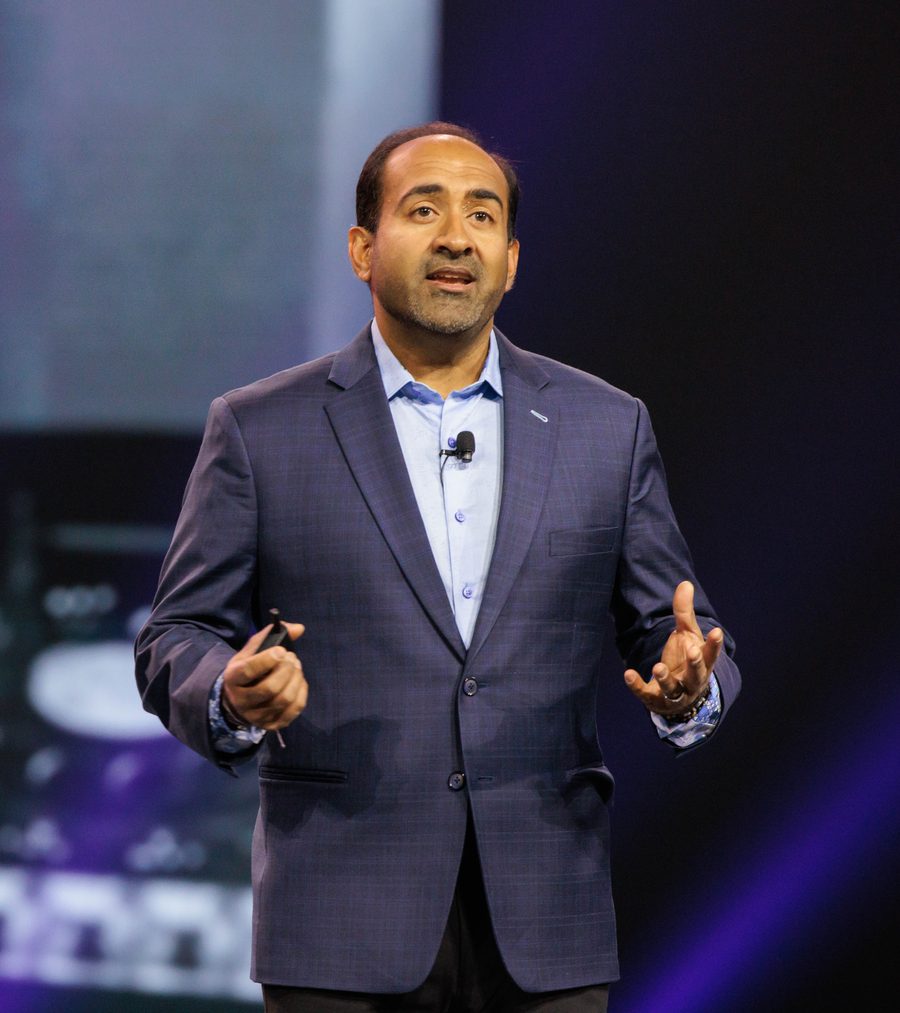
How It All Started
A Short Backstory Of This Blog
This is a blog about non-obvious ideas. Originally launched on the Typepad platform in 2005 as the Influential Marketing blog, the stories at first focused mainly on digital marketing while Rohit worked at Ogilvy Advertising. In 2015 Rohit officially rebranded to the Non-Obvious Insights Blog and published his WSJ bestseller Non-Obvious. For the past twenty one years, this blog has coined new terms, introduced future marketing practices and inspired the next generation of non-obvious thinkers and marketers.