







JULY 17, 2025|EVENTS & EXPERIENCES
An Important Lesson About Youth Culture from the Smithsonian Folklife Festival
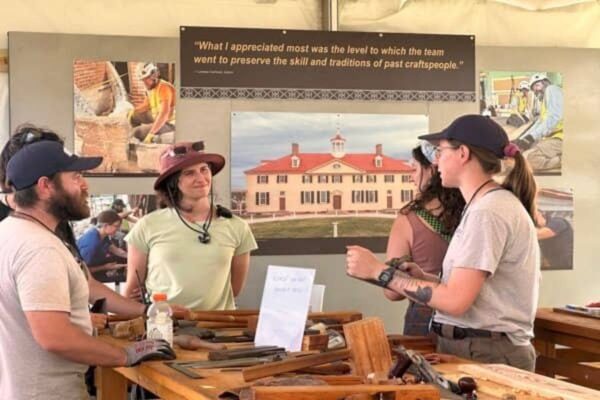
Every summer on the National Mall in DC the Smithsonian hosts their Folklife Festival. Typically, the weekend-long event brings craftspeople from around the world to share their art and culture with the public. This year, the theme was a bit different as the festival chose to spotlight and celebrate Youth and the Future of Culture. As a result, along with the usual focus on traditional crafts like stone masonry and woodworking, there were also exhibits on emerging media, street art, skateboarding, lowrider culture, DJing and sidewalk astronomy.
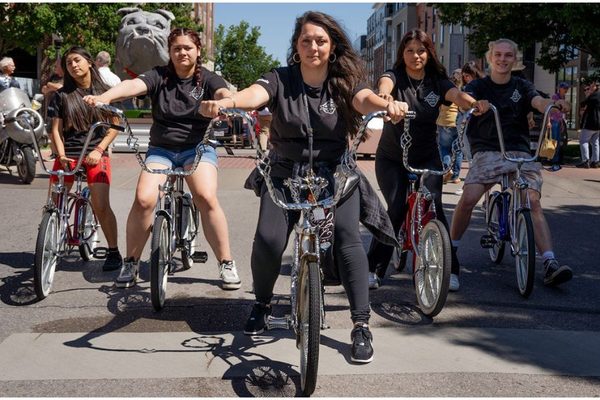
Walking around the festival this past weekend, for me the most hopeful message was how young people were taking traditions and stories from so many different cultures and finding ways to keep them alive through storytelling but also through creating their own ways to express themselves. We don't always see moments like this where multiple generations come together to share knowledge and traditions. In fact a piece released earlier this week from the American Press Institute noted that "Americans today tend to exist in generational silos."
The suggestion from the piece that stuck with me for how to bridge that gap, and was brought to life at the Smithsonian Folklife Festival, was the idea from Human Flourishing Lab founder Clay Routledge of using nostalgia as a way to help all people connect with history and past generations:
"While individuals of all ages tend to feel nostalgic about their own past (personal nostalgia), younger generations are surprisingly highly nostalgic for eras that predate their lifetimes (historical nostalgia) ... They also report being drawn to media, styles, hobbies and traditions originating from these historical periods and express strong beliefs that new technologies should incorporate ideas and design elements from these eras. And they find historical nostalgia useful for managing the stress of modern life and anxiety about the future.
Their engagement with the historical past isn’t merely passive consumption but instead reflects an active and creative endeavor to develop their own sense of self, cultivate cultural literacy, seek out shared stories and intergenerational bonds, and explore innovative ways to improve life in the present and build a better future."
Book Rohit To Speak
Want to bring these ideas to your next event?
Rohit turns the thinking behind posts like this one into keynotes for audiences around the world, from Fortune 500 leadership teams to global industry conferences.
Learn More About Speaking
How It All Started
A Short Backstory Of This Blog
This is a blog about non-obvious ideas. Originally launched on the Typepad platform in 2005 as the Influential Marketing blog, the stories at first focused mainly on digital marketing while Rohit worked at Ogilvy Advertising. In 2015 Rohit officially rebranded to the Non-Obvious Insights Blog and published his WSJ bestseller Non-Obvious. For the past twenty one years, this blog has coined new terms, introduced future marketing practices and inspired the next generation of non-obvious thinkers and marketers.