








JUNE 4, 2021|SPORTS & OLYMPICS
Athletes Have More Leverage Than Ever, And They Are Using It
Tennis star Naomi Osaka bowed out of the French Open due to mental stress from media interviews. I have to admit, my first reaction to this story wasn't so kind. Athletes of all sports have been forced to sit through uncomfortable questions, particularly after losses. Most of them have suffered through it, so why should Osaka get a free pass? After reading about the situation, though, I changed my mind. Here's why.
Just because something has become commonplace doesn't make it right. The fact that we force athletes to answer repetitive provoking questions moments after devastating losses isn't right in any sport. Osaka describes it as "kicking a person when they are down" and it's hard to disagree. This isn't different from the past, but what is different now is that we're in a media moment where athletes feel more empowered than ever to speak their truths. More of them believe it's their responsibility to speak out. Osaka has, and some already believe her decision could save lives.
As a sports fan, I would not miss these post-game interviews at all. Just about every sport has retired stars who would be more than happy to talk for hours and offer analysis of a match. The point is, there are lots of other ways to fill the TV time.
Related Posts
Book Rohit To Speak
Want to bring these ideas to your next event?
Rohit turns the thinking behind posts like this one into keynotes for audiences around the world, from Fortune 500 leadership teams to global industry conferences.
Learn More About Speaking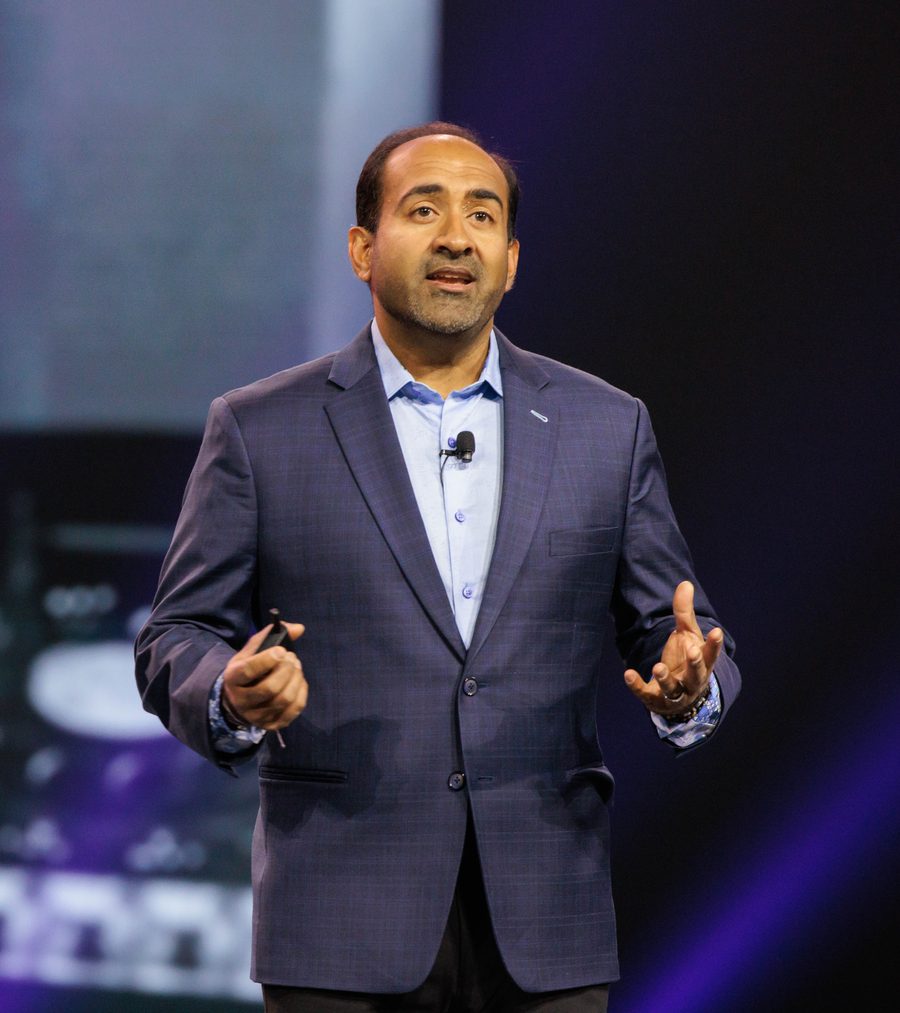
How It All Started
A Short Backstory Of This Blog
This is a blog about non-obvious ideas. Originally launched on the Typepad platform in 2005 as the Influential Marketing blog, the stories at first focused mainly on digital marketing while Rohit worked at Ogilvy Advertising. In 2015 Rohit officially rebranded to the Non-Obvious Insights Blog and published his WSJ bestseller Non-Obvious. For the past twenty one years, this blog has coined new terms, introduced future marketing practices and inspired the next generation of non-obvious thinkers and marketers.