








As Featured In:

The New York TimesThe Wall Street JournalThe Washington Post
EntrepreneurInc.CNNWebby Award Honoree

Selected as one of the best newsletters on the Internet by the Webby Awards!

MAY 1, 2013|REPUTATION & RATINGS


Culpa Marketing: How To Win By Publicizing Screw Ups

IMG_DominosYesWeDid
There is nothing more powerful than a genuine heartfelt apology. At least, that's what JCPenney is hoping based on a new ad the brand just released today featuring an apology to customers for recent changes and a promise to start listening more: The ad is a marked departure from the Apple-style "we'll tell you what you really want" strategy employed by former CEO (and longtime Apple exec) Ron Johnson (here's my take on why that didn't work). Will this rapid apology and departure from the past year's rebranding of "JCP" work? If recent history is any guide, it certainly can. People love a good fallen hero story. This arc is at the center of hundreds of dramatic films every year. The "hero in trouble" scene where someone walks through the rain completely alone before the problem is resolved is the ultimate cinematic cliche. But in business, redemption stories do work as well. Culpa Marketing involves strategically using mistakes as an opportunity to rebuild trust by using a more human, direct and authentic style of communication to deliver a heartfelt apology and promise to make changes to solve the problem. Consider these recent examples of Culpa Marketing at work:
  1. JetBlue immediately responded to a PR crisis with a pilot who had a "medical situation" on board a flight by releasing information instantly, not hiding any facts and communicating as a real person might. Their lack of stonewalling help the crisis from escalating. It was a similar approach to the one the brand took in response to a controversy around stranded passengers back in 2007 that led the brand to issue it's own Bill of Passenger Rights, and volunteer proactively to issue compensation retroactively for passengers who were inconvenienced.
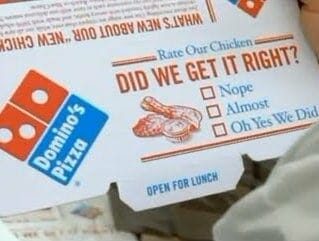
  2. Domino's Pizza launched a campaign showing real focus group footage of customers' criticizing their crust by calling it "cardboard" and complaining that their tomato sauce "tasted like ketchup." Then the brand recreated their product from the ground up and launched a new ad campaign touting their new pizza. Over the past four years, the brand has delivered rapid growth and profit - and every recently started promoting that their newest pizza will have their delivery teams slowing down, just to make sure and get the quality right.
This is the new model of marketing and crisis response - where brands admit their own faults proactively and publicly. They run million dollar advertising campaigns proclaiming their apologies far and wide. And once that's done, the foundation is laid. Opinions are ready to shift and large groups of consumers (apart from the haters) are ready to reconsider their brand opinions. They are ready to trust again ... which is exactly where JCPenney hopes they will be. Now all they need to do is actually change their experience into one that consumers will love again. You know ... the "easy" part.
Share

Book Rohit To Speak

Want to bring these ideas to your next event?

Rohit turns the thinking behind posts like this one into keynotes for audiences around the world, from Fortune 500 leadership teams to global industry conferences.

Learn More About Speaking
Rohit Bhargava delivering a keynote

Related Categories

How It All Started

A Short Backstory Of This Blog

This is a blog about non-obvious ideas. Originally launched on the Typepad platform in 2005 as the Influential Marketing blog, the stories at first focused mainly on digital marketing while Rohit worked at Ogilvy Advertising. In 2015 Rohit officially rebranded to the Non-Obvious Insights Blog and published his WSJ bestseller Non-Obvious. For the past twenty one years, this blog has coined new terms, introduced future marketing practices and inspired the next generation of non-obvious thinkers and marketers.


Want More Non-Obvious Ideas?

Join 100K+ ReadersTo Get Weekly Insights

The Non-Obvious Insights Newsletter brings you the five or six most fascinating and overlooked stories of the week, with a quick take on why each one matters.

    One email every Thursday. No spam, unsubscribe anytime.

    ×