








JANUARY 27, 2025|DIVERSITY
DEI May Be Dying … But Here’s What Could Replace It
When Jennifer Brown and I first published our book Beyond Diversity in 2021 it was moment of big momentum for DEI. Amongst the many other books published at that time, there was an underlying sentiment of “blaming and shaming” people that we tried our best to reject. You don’t change minds, we felt, by alienating people before you even have a chance to start a conversation. This week, longtime DEI practitioner Lily Zheng shared a similar perspective in their timely criticism of the typical DEI model:
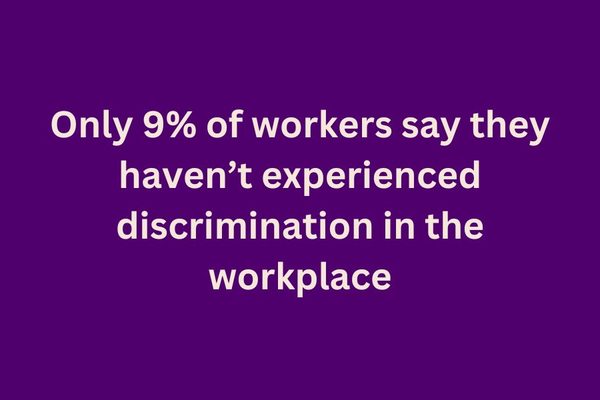
“Decades of research shows clear problems with status-quo DEI. Despite their widespread prescription, DEI trainings often fail to change bias or reduce prejudice. Popular strategies for communicating the value of DEI can paradoxically both hurt marginalized communities and decrease leadership support for DEI. Common initiatives intended to create better workplaces for all might instead activate backlash, increase burnout, and fail to improve outcomes for underserved groups.”
Zheng goes on to ask what comes after DEI and proposes a different model based on a framework of fairness first. She suggests that “focusing on representation as an issue of trust rather than an issue of identity allows us to avoid zero-sum conversations that can come from fixating on demographics.” In a time when there is widespread panic about the newest rollback of DEI initiatives both within the US government and in businesses across sectors, there are also underappreciated signs that DEI may not actually be dead … just changing. For example, President Trump’s cabinet may be slightly more diverse than people realize—probably because he prioritizes loyalty above all else.
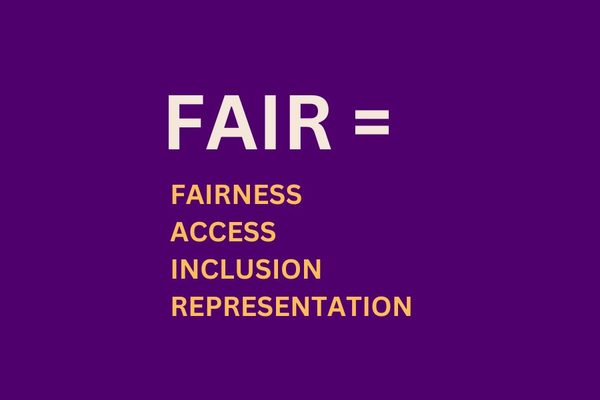
Still, the only way to “save” DEI and guarantee all people have similar access to opportunities and ensure we are not saddled with a one-dimensional government or narrow-minded leadership in companies is to try a new model. Zheng uses the acronym FAIR to describe one such model. There may be others too. What’s clear is that the old way of practicing and talking about DEI is under attack and won’t survive in the same form it once was.
Book Rohit To Speak
Want to bring these ideas to your next event?
Rohit turns the thinking behind posts like this one into keynotes for audiences around the world, from Fortune 500 leadership teams to global industry conferences.
Learn More About Speaking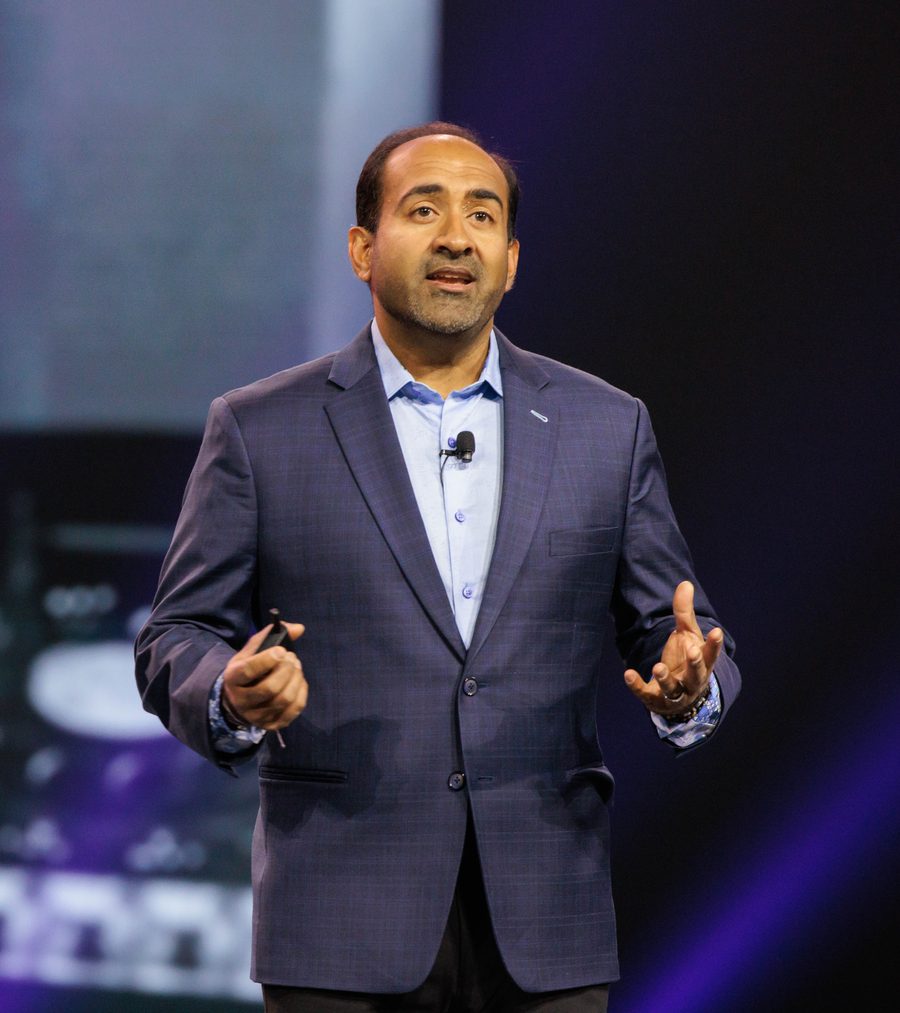
How It All Started
A Short Backstory Of This Blog
This is a blog about non-obvious ideas. Originally launched on the Typepad platform in 2005 as the Influential Marketing blog, the stories at first focused mainly on digital marketing while Rohit worked at Ogilvy Advertising. In 2015 Rohit officially rebranded to the Non-Obvious Insights Blog and published his WSJ bestseller Non-Obvious. For the past twenty one years, this blog has coined new terms, introduced future marketing practices and inspired the next generation of non-obvious thinkers and marketers.