







JULY 27, 2010|SOCIAL MEDIA
Discovery Channel Uses Social Networking To Freak You Out
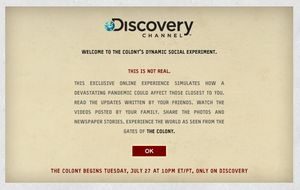 I have never been a big fan of horror movies. Getting scared on purpose was never something that I quite understood. One of the scariest movies I ever saw, though, was a film back in 1995 called Outbreak with Dustin Hoffman which showed the response that the world would likely have to a global pandemic if one were ever to occur. At the time I was in college at Emory in Atlanta right next door to the CDC and the film's storyline about the Ebola virus escaping felt very close to home. Tonight at 10pm the Discovery Channel is debuting a new show that will explore this idea of a global pandemic in an interesting new way. The show, called The Colony will take 7 volunteers and drop them into a condemned town without food or water. They are told there has been a biological disaster and are challenged to survive.
The show's premise itself is interesting, but what adds to the intrigue of the entire program is that they are pursuing a very smart strategy to let anyone take part in this social experiment by signing up for an online simulation of a global pandemic, that uses your own Facebook friends as characters in the "unfolding drama of the survival of humanity." This technique of using your real friends as the backdrop for a fictional experience created online is something that has been growing in use through efforts such as the popular "Elf Yourself" holiday greeting card campaigns last holiday season.
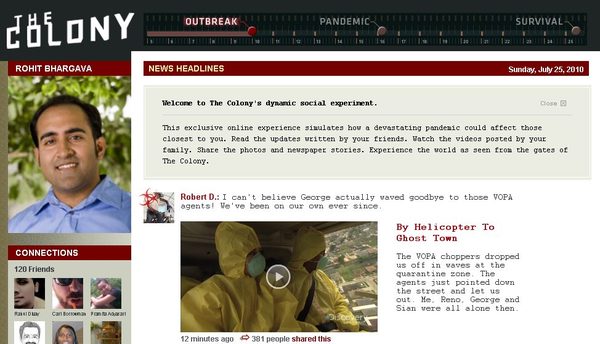
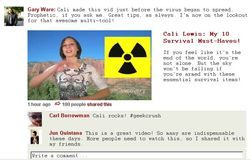 As this virtual experience around The Colony unfolds, it will be interesting to watch how it adds a real dimension to viewers of the show and (hopefully) synchronizes the experience so what is happening in your virtual version of The Colony mirrors what is happening in the show. The virtual experience so far has a combination of fake updates from your friend networks intermixed custom videos that seem to have been created to support the show from people like Cali Lewis. If this part of the social experiment works to engage viewers, we will likely see more networks and programs in the fall using this fictional virtual experience as a way to engage their most passionate fans. Assuming we all survive, of course.
Book Rohit To Speak
Want to bring these ideas to your next event?
Rohit turns the thinking behind posts like this one into keynotes for audiences around the world, from Fortune 500 leadership teams to global industry conferences.
Learn More About Speaking
How It All Started
A Short Backstory Of This Blog
This is a blog about non-obvious ideas. Originally launched on the Typepad platform in 2005 as the Influential Marketing blog, the stories at first focused mainly on digital marketing while Rohit worked at Ogilvy Advertising. In 2015 Rohit officially rebranded to the Non-Obvious Insights Blog and published his WSJ bestseller Non-Obvious. For the past twenty one years, this blog has coined new terms, introduced future marketing practices and inspired the next generation of non-obvious thinkers and marketers.