








MARCH 12, 2019|GOVERNMENT & POLITICS
Do We Need Government To Save Us From Ourselves?
For years now, the trend when it comes to looking at government has been an erosion of trust. These days trust in governmental institutions seems to reach historic lows with regularity. So it might seem laughable that government might actually provide a solution.
Yet several interesting stories paint a different picture. In the US, government continues to deliberate badly needed rules to curb exorbitant executive compensation. Globally, experts have called on international governments to place a global ban on gene-hacked children. The advertising community is debating whether brands should be forced by law to make the world a better place, and the world’s recycling crisis may need smart government intervention in order to fix it.
There are already signs it’s working. The threat of antitrust regulatory action against Amazon recently led them to end their “price parity” rule, making ecommerce fairer for other retailers. And at SXSW governmental groups were highly visible and had ambitious plans. Can government really help technology have a positive impact in the world without stifling innovation? Maybe.
The one thing that seems sadly clear is that the largest tech companies can’t be trusted to have the best interests of the world at heart on their own.
Book Rohit To Speak
Want to bring these ideas to your next event?
Rohit turns the thinking behind posts like this one into keynotes for audiences around the world, from Fortune 500 leadership teams to global industry conferences.
Learn More About Speaking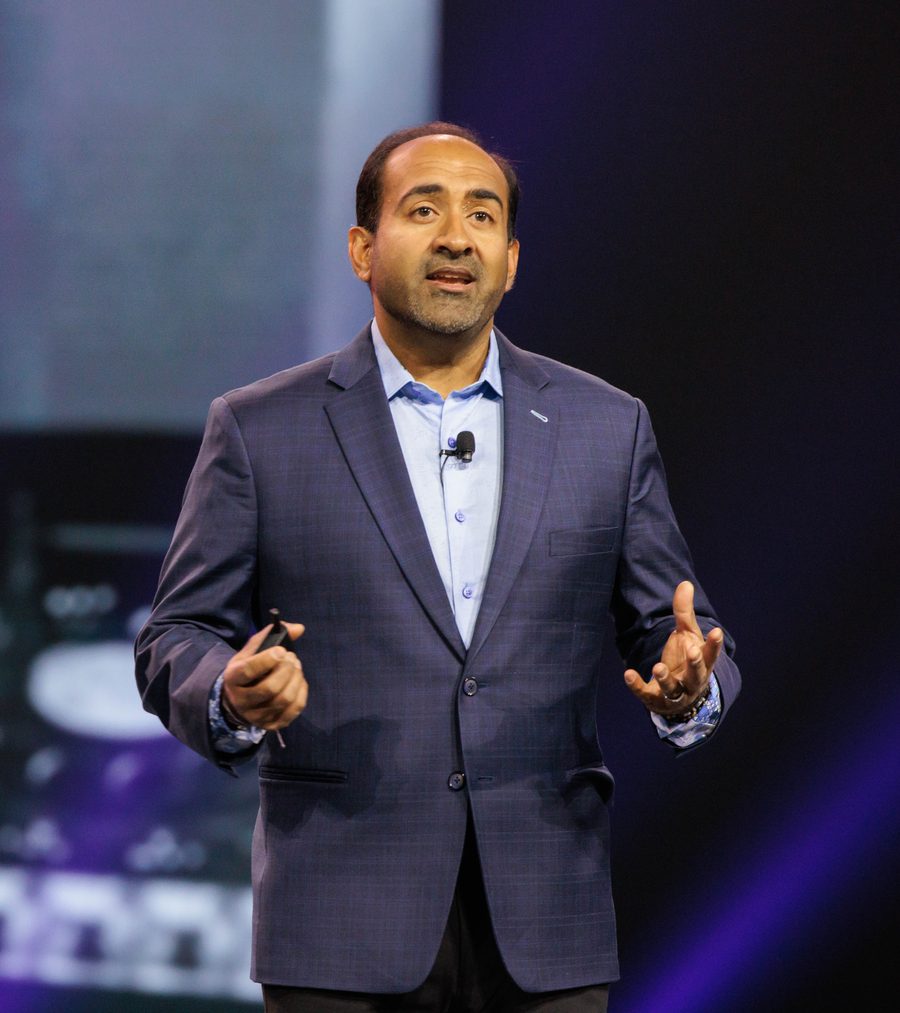
How It All Started
A Short Backstory Of This Blog
This is a blog about non-obvious ideas. Originally launched on the Typepad platform in 2005 as the Influential Marketing blog, the stories at first focused mainly on digital marketing while Rohit worked at Ogilvy Advertising. In 2015 Rohit officially rebranded to the Non-Obvious Insights Blog and published his WSJ bestseller Non-Obvious. For the past twenty one years, this blog has coined new terms, introduced future marketing practices and inspired the next generation of non-obvious thinkers and marketers.