




NOVEMBER 12, 2025|ENVIRONMENT + SUSTAINABILITY
Electricity Will Be Free in the Future. In Australia, It Already Is.
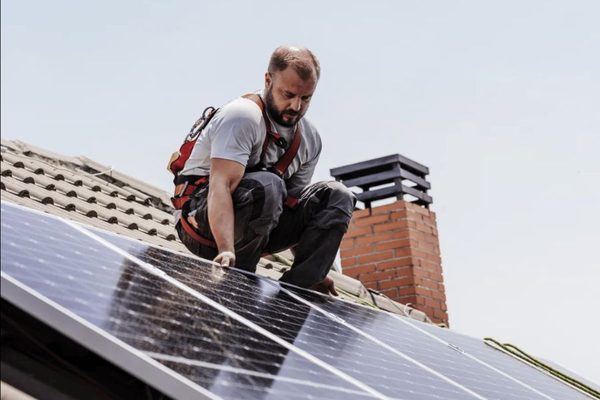
Solar power in Australia costs about a third of what it currently costs in the US. As a result, more than 1 in 3 homes across Australia have solar panels. After years of installations, the investment is paying off. Starting in June of 2026, the Australian government announced that residents in three states will get free electricity for a portion of each day thanks to the surplus created. And that's from less than half of all homes even installing solar panels. If the trend continues, it's easy to imagine electricity could be entirely free for home use at some point in the next decade.
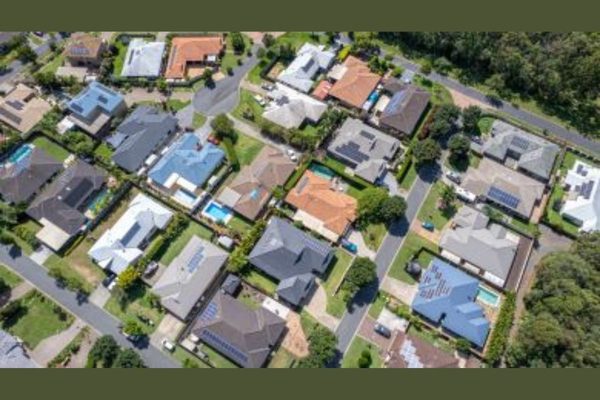
Of course, the population of Australia is vastly lower than many other countries, but the example is one that illustrates perfectly what many observers of the future believe are the types of innovation that will create a dramatic change to the cost structures of what we currently pay for and the scarcity we currently believe to be unavoidable. What if energy were free (or close to free) for ordinary household use? That used to be a question for the long-term future, but it may be closer than most people think.
Rohit speaks on this topic. See his futurist keynote.
Related Posts
Book Rohit To Speak
Want to bring these ideas to your next event?
Rohit turns the thinking behind posts like this one into keynotes for audiences around the world, from Fortune 500 leadership teams to global industry conferences.
Learn More About Speaking
How It All Started
A Short Backstory Of This Blog
This is a blog about non-obvious ideas. Originally launched on the Typepad platform in 2005 as the Influential Marketing blog, the stories at first focused mainly on digital marketing while Rohit worked at Ogilvy Advertising. In 2015 Rohit officially rebranded to the Non-Obvious Insights Blog and published his WSJ bestseller Non-Obvious. For the past twenty one years, this blog has coined new terms, introduced future marketing practices and inspired the next generation of non-obvious thinkers and marketers.