







AUGUST 4, 2009|BRANDS & MARKETING
A Guide To Marketing By Giving Away Someone Else's Money
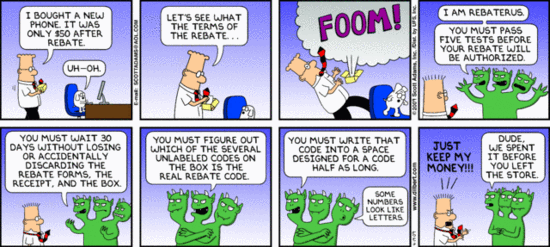
As Dilbert demonstrates, in reality we all know that most companies that offer rebates don't make it quite that easy. Who doesn't have a horror story to tell of having to cut off the side of a box, fill out a form in triplicate and wait six months to get a check for $3 that expires a week after you get it? Rebates are a pain, usually because the more hassle they are, the lower the redemption rates on them (BusinessWeek estimates that up to 40% may go unredeemed).
Sounds great for marketers, but the problem is that as more consumers start to realize that they didn't get their money, coupons and rebates will stop working as an effective promotional tool. In an ideal world, though, they can help consumers save money AND marketers sell more effectively. Thankfully, some retailers are creating models to help fulfill the promise of couponing and rebates - even in a low trust world.
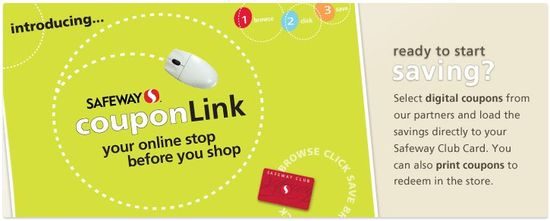
Safeway, a grocery store chain in the US, recently implemented a program for their frequent shoppers that allows them to enter coupons into their account directly online, and then redeem them in a store without having the actual coupon. Along similar lines, BestBuy and other large electronics retailers have had a system for years that makes claiming rebates easy by pre-printing forms for customers with clear instructions and often even processing mail-in rebates instantly as they are currently doing for the Palm Pre. The reasons these companies are making coupon and rebate redemption easy is simple:
- Retailers will get their reimbursement from the manufacturer faster and lower their significant processing costs by digitizing.
- They can increase their customer satisfaction with easy rebates and coupons, thus ensuring these types of promotions continue to work.
- Most importantly, increasing redemption rates helps the seller, because they are not the ones footing the bill for the refund offered to the customer.
Related Posts
Book Rohit To Speak
Want to bring these ideas to your next event?
Rohit turns the thinking behind posts like this one into keynotes for audiences around the world, from Fortune 500 leadership teams to global industry conferences.
Learn More About Speaking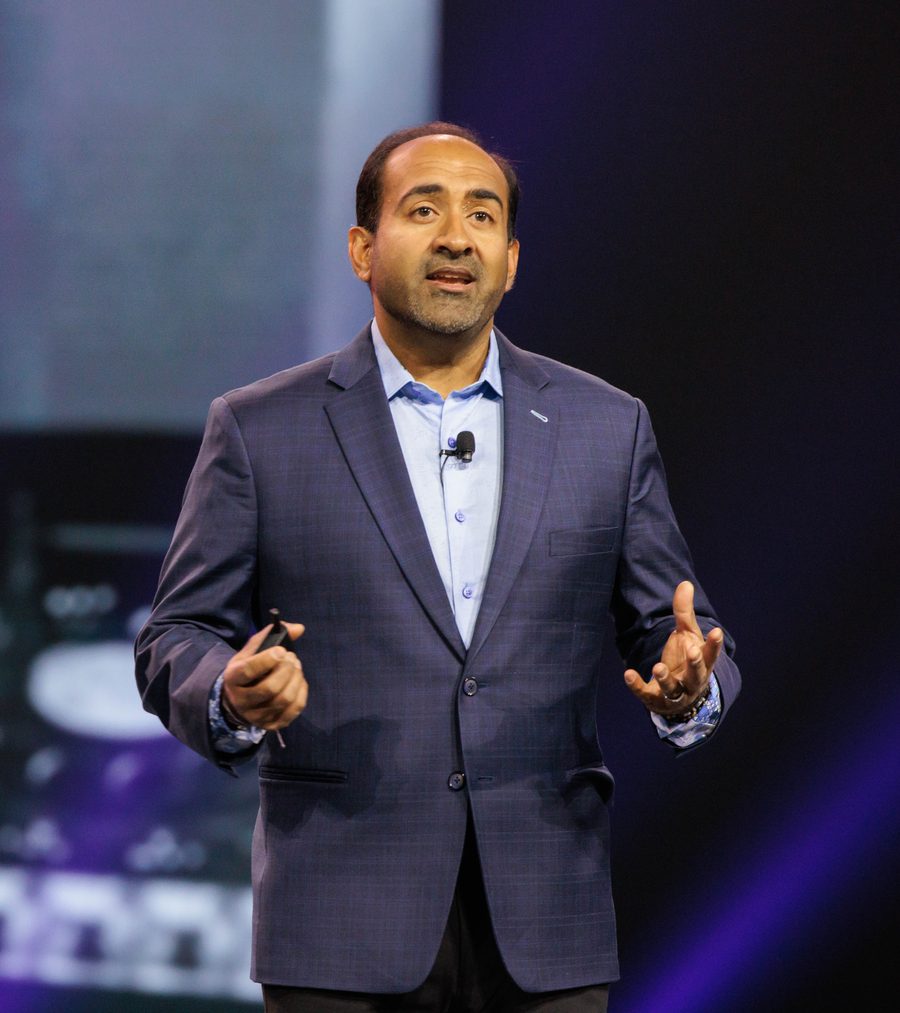
How It All Started
A Short Backstory Of This Blog
This is a blog about non-obvious ideas. Originally launched on the Typepad platform in 2005 as the Influential Marketing blog, the stories at first focused mainly on digital marketing while Rohit worked at Ogilvy Advertising. In 2015 Rohit officially rebranded to the Non-Obvious Insights Blog and published his WSJ bestseller Non-Obvious. For the past twenty one years, this blog has coined new terms, introduced future marketing practices and inspired the next generation of non-obvious thinkers and marketers.