







AUGUST 28, 2023|DIVERSITY
How Accessibility Is Getting More Tactile, Innovative … and Normal
Technology was supposed to make the entire world more accessible. It still can, but sometimes it seems that progress has stalled. This past month, the MIT Technology Review magazine devoted an entire issue to exploring the future of tech-enabled accessibility and how it may soon be more "normal" than you think. They spotlight everything from the sonification of science to the use of tactile images to end graphic poverty. As I read several of the articles from this issue, examples of the impact of putting accessibility first kept coming up for me in real life too.
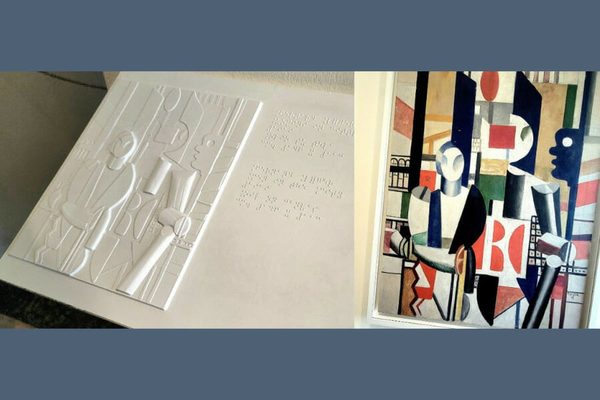
United Airlines announced they will be adding braille signage in cabins to help disabled travelers. Architects are working to create acoustically inclusive spaces designed for deaf people. While traveling earlier this month I visited the world renowned Guggenheim Museum in Venice and saw examples of their innovative inclusion "double meaning" program that features tactile reproductions of famous artworks so people can experience paintings and sculptures through touch.
These types of accommodations can seem invisible if you aren't disabled or don't choose to pay attention to them. But feeling a tactile representation of a painting, like many other such accommodations, can offer an entirely new way to experience something for all of us … whether we can actually see it or not.
Book Rohit To Speak
Want to bring these ideas to your next event?
Rohit turns the thinking behind posts like this one into keynotes for audiences around the world, from Fortune 500 leadership teams to global industry conferences.
Learn More About Speaking
How It All Started
A Short Backstory Of This Blog
This is a blog about non-obvious ideas. Originally launched on the Typepad platform in 2005 as the Influential Marketing blog, the stories at first focused mainly on digital marketing while Rohit worked at Ogilvy Advertising. In 2015 Rohit officially rebranded to the Non-Obvious Insights Blog and published his WSJ bestseller Non-Obvious. For the past twenty one years, this blog has coined new terms, introduced future marketing practices and inspired the next generation of non-obvious thinkers and marketers.