








MAY 4, 2026|ARTIFICIAL INTELLIGENCE
How AI Analyzing Your Writing Style Might Kill Online Anonymity

When we used to talk about your digital identity, it was the sorts of personal information that are easily quantified like your date of birth or past home addresses. In the early days of the web, when you didn't create a profile on a site, there was a way to remain mostly anonymous on the web. It was good for privacy but also led to plenty of unchecked aggression and outright racism from people who could post anything without the consequence of being identified as the author.
This week in the Washington Post, writer Megan McArdle tested the writing analysis capabilities from multiple AI platforms to discover that most are quite good now and were able to correctly identify a writer of a single piece of content after only reading a short passage from an article (a minimum of 1,441 words long for ChatGPT and just 1,132 words for Claude). Obviously, this mainly applies to those who have actively published their writing online, but the implications are interesting for the future of personal identification and the idea of online anonymity itself.
What happens in a digital future where every sentence anyone posts online can be traced back to them? The small upside may be a reduction in the idiocy that anonymous commenting can allow ... but it would come with a much heavier cost. Without the shielding of online anonymity, there is less protection for underprivileged or otherwise silenced voices to reveal government corruption or act as whistleblowers against other abuses of power.
Rohit speaks on this topic. See his AI keynote.
Related Posts
Book Rohit To Speak
Want to bring these ideas to your next event?
Rohit turns the thinking behind posts like this one into keynotes for audiences around the world, from Fortune 500 leadership teams to global industry conferences.
Learn More About Speaking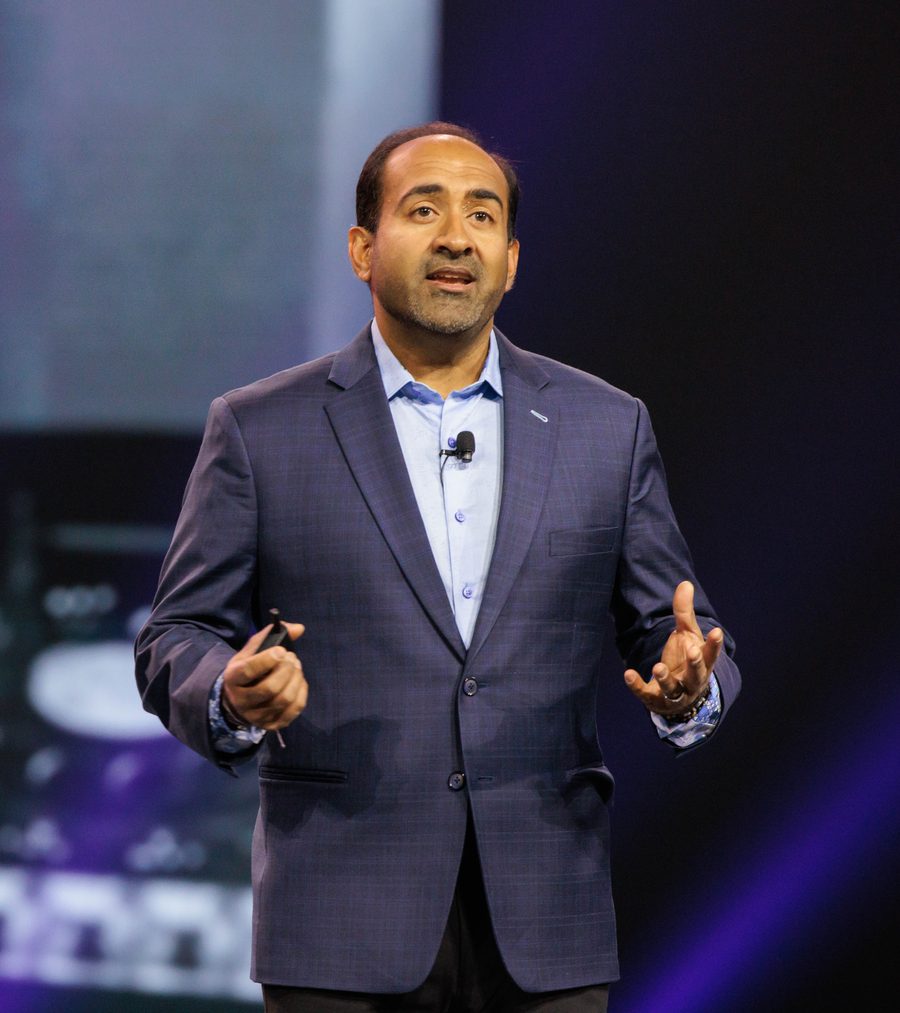
How It All Started
A Short Backstory Of This Blog
This is a blog about non-obvious ideas. Originally launched on the Typepad platform in 2005 as the Influential Marketing blog, the stories at first focused mainly on digital marketing while Rohit worked at Ogilvy Advertising. In 2015 Rohit officially rebranded to the Non-Obvious Insights Blog and published his WSJ bestseller Non-Obvious. For the past twenty one years, this blog has coined new terms, introduced future marketing practices and inspired the next generation of non-obvious thinkers and marketers.