








NOVEMBER 24, 2025|ARTIFICIAL INTELLIGENCE
How AI Is Helping Reduce Accents, But Could Do Much More
Thanks to AI there are a number of new services that are designed to help language learners learn a new dialect and reduce their accents too. A platform called Daily Clips uses clips from movies to help users practice their English. Another called Accent No More is an "AI-powered pronunciation coach" that will listen to you speaking and provide you with instant feedback to improve your pronunciation. It works by "combining audio examples, motivational quotes, and speech pattern recognition."

As someone who often tries to learn phrases in languages for regions that I'll be traveling to, I love this idea as a way to minimize my own accent when speaking languages other than English so that I can sound more authentic and be more easily understood. As a native speaker of English, I hate to think that widespread tools like this might remove the beautiful linguistic diversity of accented English and make everyone sound the same. So, I'm conflicted.
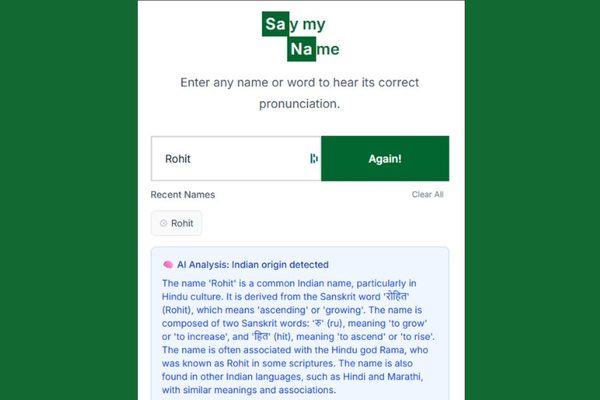
My new favorite tool in this realm is one called Say My Name! which offers a pronunciation guide to help English speakers pronounce the names of people and places properly. It also offers the added bonus of telling you what a name means. Now we just need to extend this as a tool that could teach American politicians that the correct pronunciation of a country name like Iraq does not rhyme with "Eye-Rack."
Where AI should smooth something over and where it should leave the human texture alone is exactly the tension Rohit explores in his AI keynote.
Related Posts
Book Rohit To Speak
Want to bring these ideas to your next event?
Rohit turns the thinking behind posts like this one into keynotes for audiences around the world, from Fortune 500 leadership teams to global industry conferences.
Learn More About Speaking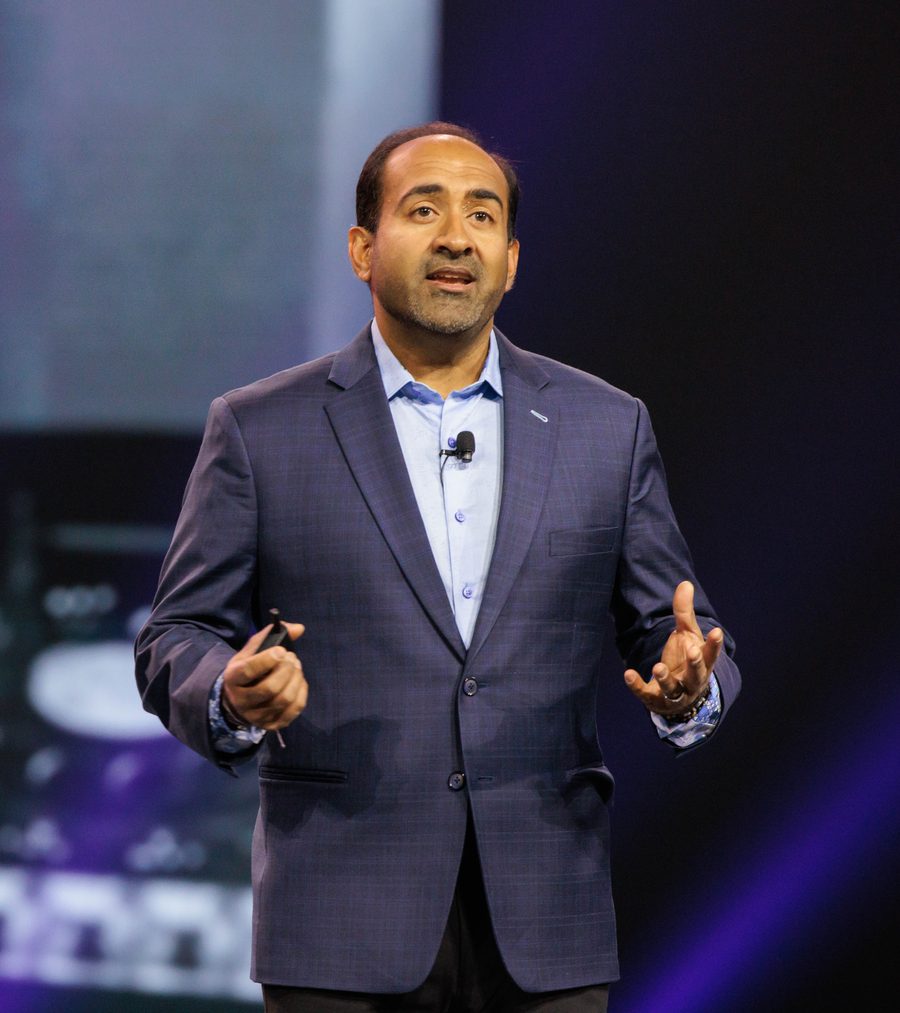
How It All Started
A Short Backstory Of This Blog
This is a blog about non-obvious ideas. Originally launched on the Typepad platform in 2005 as the Influential Marketing blog, the stories at first focused mainly on digital marketing while Rohit worked at Ogilvy Advertising. In 2015 Rohit officially rebranded to the Non-Obvious Insights Blog and published his WSJ bestseller Non-Obvious. For the past twenty one years, this blog has coined new terms, introduced future marketing practices and inspired the next generation of non-obvious thinkers and marketers.