







FEBRUARY 28, 2024|MEDIA & JOURNALISM
How Bad News Might Be Making Us Worse Humans
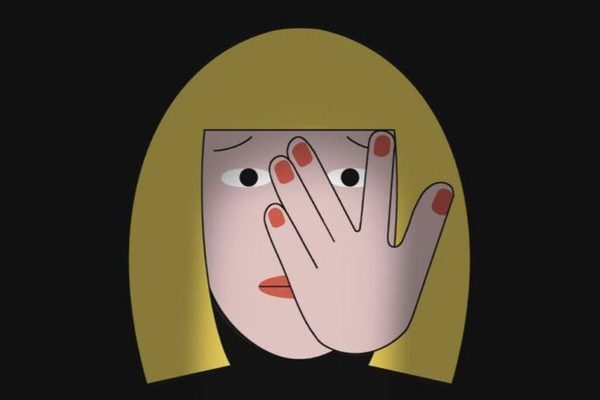
We might all be getting addicted to bad news. I was thinking about this point as I considered my own reactions to two other disturbing stories I read this week. The first was about an outbreak of measles in a Broward County Florida school where 11 kids were unvaccinated and over 100 may now be at risk.
The second was a new campaign by controversial political activist group The Lincoln Project which used AI to bring Donald Trump's emotionally abusive father back to life to berate his son about how ashamed he is. Your reaction to both stories almost certainly depends on your beliefs ... but should it?
Both stories are sad and have identifiable victims. Children are getting sick due to their parent's choices, and a man who was likely abused as a child is being targeted in an attempt to have him relive that trauma as an adult. These aren't the sort of stories that anyone should take pleasure in, but some are. Which leads to the question - is reading a stream of bad news making us bad people?
Book Rohit To Speak
Want to bring these ideas to your next event?
Rohit turns the thinking behind posts like this one into keynotes for audiences around the world, from Fortune 500 leadership teams to global industry conferences.
Learn More About Speaking
How It All Started
A Short Backstory Of This Blog
This is a blog about non-obvious ideas. Originally launched on the Typepad platform in 2005 as the Influential Marketing blog, the stories at first focused mainly on digital marketing while Rohit worked at Ogilvy Advertising. In 2015 Rohit officially rebranded to the Non-Obvious Insights Blog and published his WSJ bestseller Non-Obvious. For the past twenty one years, this blog has coined new terms, introduced future marketing practices and inspired the next generation of non-obvious thinkers and marketers.