








NOVEMBER 7, 2025|ENTERTAINMENT & HOLLYWOOD
How Long Should It Take Before Something Is Declared a Flop?

The initial ratings for the American reboot of The Office were famously bad. People didn't love the character of Michael Scott and the entire effort seemed like a poor imitation of a popular British comedy. The show wasn't canceled, though, and the team behind it managed to retool the aspects that didn't work into one of the most beloved series in American television history. Imagine if they didn't give it that chance to succeed, though. What might we all have missed?
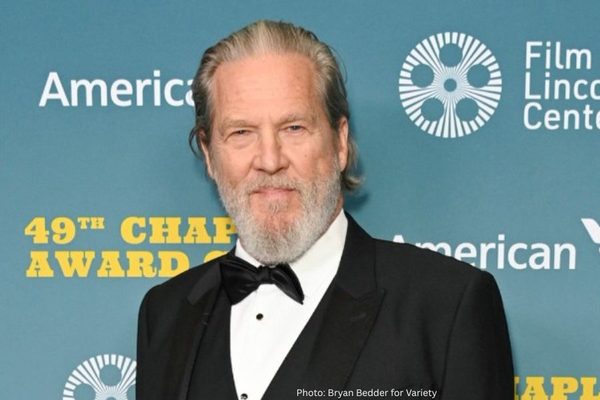
I was thinking about that this week as I read about actor Jeff Bridges reaction to a reporter's question about whether his new film Tron: Ares might be considered a flop because the first week feel below revenue projections.
“It’s interesting, though, how movies are received at opening weekend,” Bridges said. “I remember ‘Heaven’s Gate’ was considered, you know, very disappointing or a flop, but nowadays it’s considered kind of a masterpiece.” Speaking from personal experience, Bridges explained that films often “grow on you,” and that his initial reactions can flip in a matter of weeks or months.
“Even as an individual, often, I have not liked a movie,” he added. “And then a couple weeks or months later, I’ll see it again. I’ll say, ‘What was I thinking?’ As the Dude would say, ‘That’s just like your opinion, man.'”
You might read these comments as being from an actor who's justifying a less than stellar opening out of necessity. But it does raise the interesting question of how long we really should give a piece of entertainment to succeed versus giving up on it too quickly. Opening big isn't the only way to success. Contrary to popular opinion.
Related Posts
Book Rohit To Speak
Want to bring these ideas to your next event?
Rohit turns the thinking behind posts like this one into keynotes for audiences around the world, from Fortune 500 leadership teams to global industry conferences.
Learn More About Speaking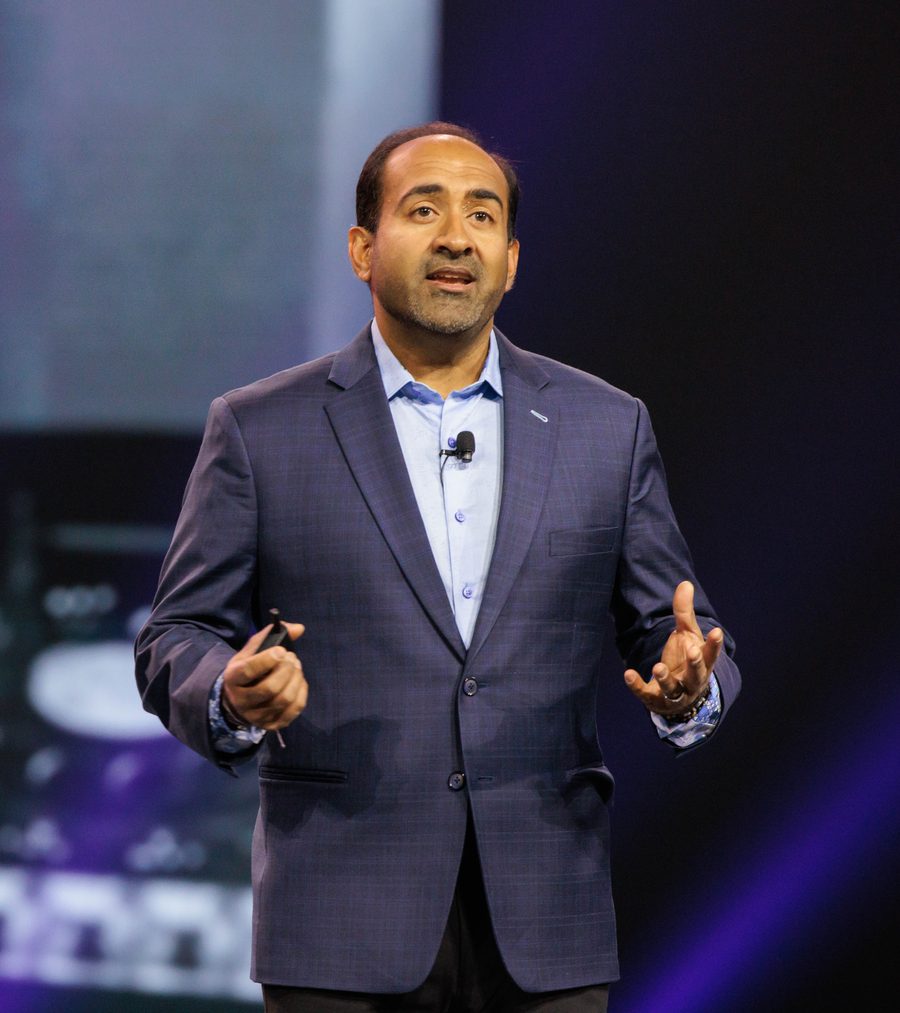
How It All Started
A Short Backstory Of This Blog
This is a blog about non-obvious ideas. Originally launched on the Typepad platform in 2005 as the Influential Marketing blog, the stories at first focused mainly on digital marketing while Rohit worked at Ogilvy Advertising. In 2015 Rohit officially rebranded to the Non-Obvious Insights Blog and published his WSJ bestseller Non-Obvious. For the past twenty one years, this blog has coined new terms, introduced future marketing practices and inspired the next generation of non-obvious thinkers and marketers.