








JANUARY 31, 2019|EMPLOYEE ENGAGEMENT
How Millennials Became Workaholics, Japan's Big Hacking Experiment and Why People Believe Tabloids | Non-Obvious Insights 01.31.19
- Millennials Glorify #Hustle,Take Unhealthy Workaholism Mainstream As we live through the rise of "#hustle culture," this article provides a much needed reminder that we need to stop celebrating workaholism among Millennials and instead describe the workplaces which foster this culture for what they are: toxic and inhumane.
- Japan Hacks 200 Million Devices In Pre-Olympic CyberSecurity Test To prepare for the Olympics, the Japanese government will hack citizen's devices to test cybersecurity measures. For those worried about the obvious privacy concerns, the country has promised not store data and to inform those who are hacked ... so there's clearly nothing to worry about.
- Unlike Competitors, Trader Joe's Gives Up Home Grocery Delivery In a time when most of their competitors are investing heavily in home delivery (and paying delivery people unfairly), Trade Joe's has decided to take a different approach and stop their delivery program altogether. This article takes you inside the reasons for their unexpected shift and why this might be a great brand decision.
- Gamer Falls Asleep On Live Stream, Wakes Up and Goes Viral This is a story about the wonderfully human moment where a gamer posted a live stream of himself, feel asleep, and woke up to find 200 people watching him. What it shows is just how much we crave authentic human moments ... even if it's just watching a live streaming video of a guy who accidentally fell asleep and wondering when he'll wake up.
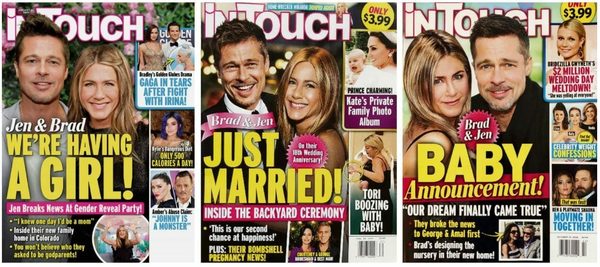
- Why Jennifer Aniston Is Always Pregnant (According To Tabloids) If there is any form of media undeserving of your time or money, it's tabloids. They fabricate stories, create harmful memes and encourage unhealthy beliefs. I always wondered what type of person might buy one - and why. This interesting article has the disturbing answers.
- How Collective Nostalgia Makes People Prefer Domestic Products Personal nostalgia is having an influence over what we believe because the past drives our memories and personalities. It turns out that reminding people of a significant shared moment in history may be enough to create a sort of "collective nostalgia" among large groups. Read the interesting study around this emerging area described n this article.
Book Rohit To Speak
Want to bring these ideas to your next event?
Rohit turns the thinking behind posts like this one into keynotes for audiences around the world, from Fortune 500 leadership teams to global industry conferences.
Learn More About Speaking
How It All Started
A Short Backstory Of This Blog
This is a blog about non-obvious ideas. Originally launched on the Typepad platform in 2005 as the Influential Marketing blog, the stories at first focused mainly on digital marketing while Rohit worked at Ogilvy Advertising. In 2015 Rohit officially rebranded to the Non-Obvious Insights Blog and published his WSJ bestseller Non-Obvious. For the past twenty one years, this blog has coined new terms, introduced future marketing practices and inspired the next generation of non-obvious thinkers and marketers.