








SEPTEMBER 18, 2024|ENTERTAINMENT & HOLLYWOOD
How the Japanese Anime Series One Piece Became One of the Biggest Entertainment Franchises in The World

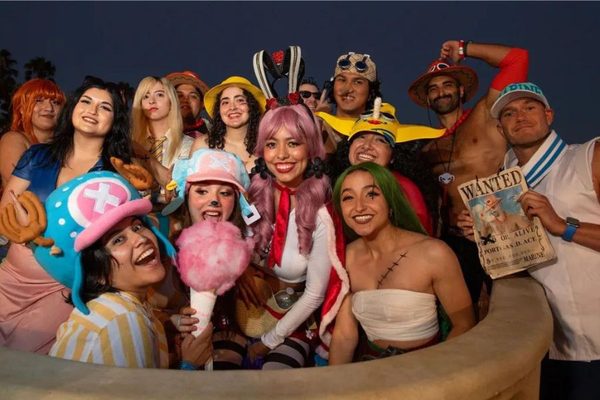
The Japanese anime series One Piece just hit its milestone 25th anniversary and has run for more than 1,000 episodes. The show has become a worldwide phenomenon and is the most popular manga comic story of all time based on sales, with a Guinness World Record to prove it.
One interesting secret of its success may be its complexity. According to One Piece Podcast host Zach Logan, “One Piece changed the manga industry. When it comes to the sheer number of characters and ideas created by Oda-sensei [One Piece creator Eiichiro Oda], no other body of work can match it.”
During the pandemic when people were seeking content like this with a huge body of work that could be binged for days upon end, One Piece was just right. Hundreds of episodes to catch up on, a never-ending story line and a complex world of storylines to learn. Would it have become this popular without that pandemic blip moment? It’s hard to say. But twenty-five years is an impressive milestone that many invented worlds never hit. If you aren’t a fan yet, you could probably start now. Without another pandemic, though, it might take you the next twenty-five years to catch up.
Book Rohit To Speak
Want to bring these ideas to your next event?
Rohit turns the thinking behind posts like this one into keynotes for audiences around the world, from Fortune 500 leadership teams to global industry conferences.
Learn More About Speaking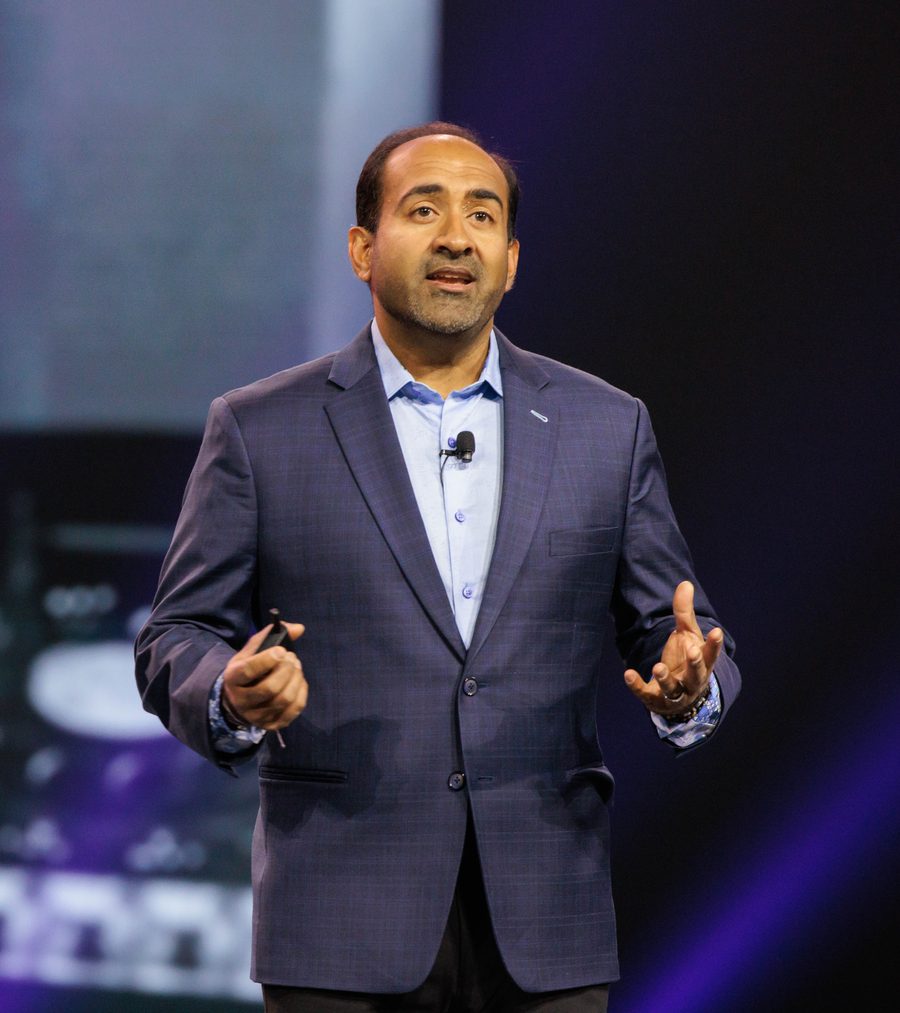
How It All Started
A Short Backstory Of This Blog
This is a blog about non-obvious ideas. Originally launched on the Typepad platform in 2005 as the Influential Marketing blog, the stories at first focused mainly on digital marketing while Rohit worked at Ogilvy Advertising. In 2015 Rohit officially rebranded to the Non-Obvious Insights Blog and published his WSJ bestseller Non-Obvious. For the past twenty one years, this blog has coined new terms, introduced future marketing practices and inspired the next generation of non-obvious thinkers and marketers.