







APRIL 22, 2009|ECONOMICS & MONEY
How To Cost Less Without Lowering Your Price
 Do you know how much your product or service costs? Hint: it's not the price you are asking for it. In global warming terms, environmental cost is commonly referred to as a "footprint." Most people understand that an environmental footprint of a product or company isn't just about the manufacturing, but also the process of shipping, importing, exporting, packaging, and eventually even the use of that product.
When it comes to how much you cost - why not think of your business that way? Your real cost to your customers isn't just the product they buy or the service they use. It's the time they need to spend waiting in line to get it. It's the effort that it takes to load it into their car. It's all the fields they need to fill out online in order to get a "free" username and account. It's the number of times you force them to change their password and remember a new one in the name of security. These are all costs. Not in terms of dollars, but in terms of time.
How can you cost less without lowering your price? Lower the time that it takes for your customers to interact with you. Make buying easier and faster. Let them go for longer without seeing you. Sometimes, the less interaction you force a customer to have with you, the more satisfied they are. Here's a good example - over time, people are more likely to love their car if they have never gone into the dealer to get it fixed ... not because they got an extra $1000 cash back when they bought it. So forget about lower your prices in a recession or trying the "two-for-one-special" mode of thinking. Focus on being easier to do business with and take less time from your customers' schedule. It will pay off.
Book Rohit To Speak
Want to bring these ideas to your next event?
Rohit turns the thinking behind posts like this one into keynotes for audiences around the world, from Fortune 500 leadership teams to global industry conferences.
Learn More About Speaking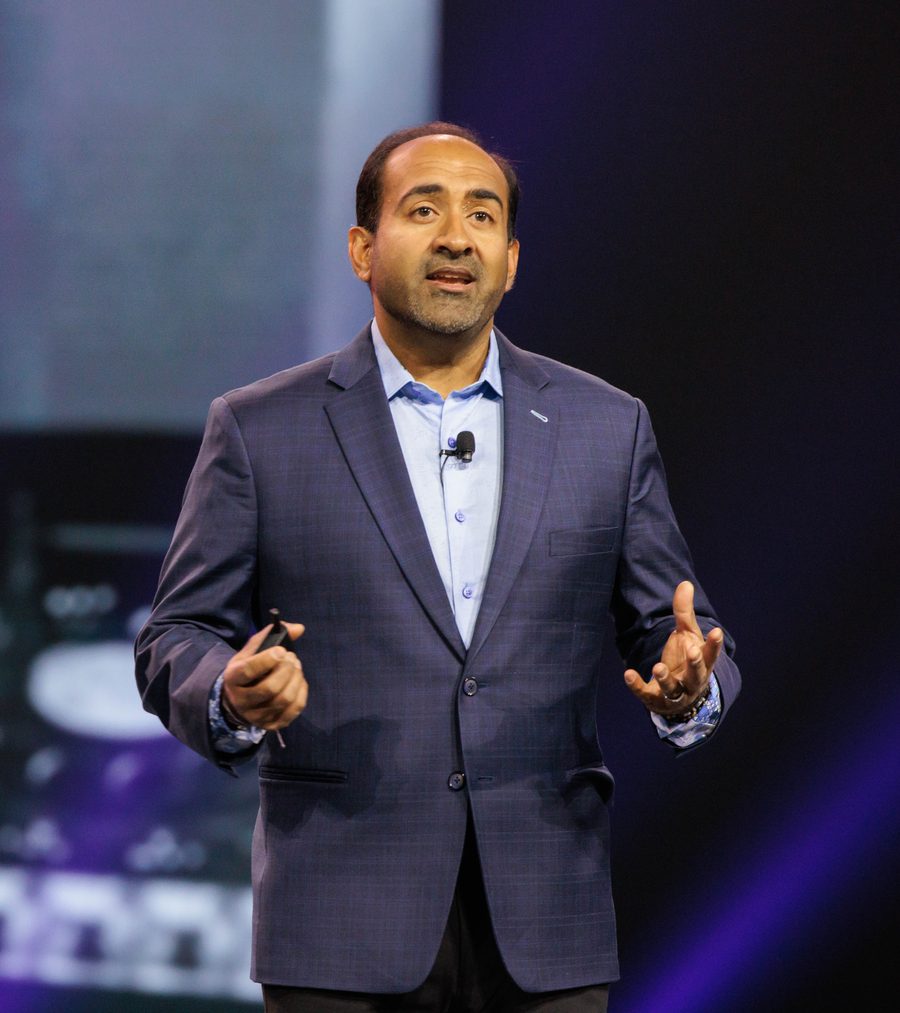
How It All Started
A Short Backstory Of This Blog
This is a blog about non-obvious ideas. Originally launched on the Typepad platform in 2005 as the Influential Marketing blog, the stories at first focused mainly on digital marketing while Rohit worked at Ogilvy Advertising. In 2015 Rohit officially rebranded to the Non-Obvious Insights Blog and published his WSJ bestseller Non-Obvious. For the past twenty one years, this blog has coined new terms, introduced future marketing practices and inspired the next generation of non-obvious thinkers and marketers.