






OCTOBER 5, 2011|SPEAKING & PRESENTING
How To Moderate A Great Panel Discussion
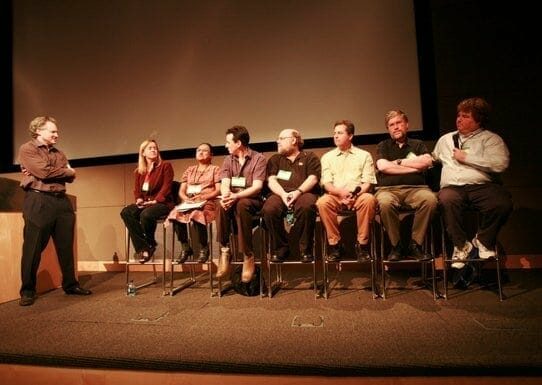 Panels at conferences usually elicit the same sort of low expectations. Generally the speakers are chosen based on job titles and companies they work for rather than an ability to share insights - and moderators follow the boring formula of asking a question and letting everyone on the panel answer it (which leads to lots of agreement and very little real discussion). The sad truth is, most panels stink - and usually the problem comes down to having an inexperienced moderator.
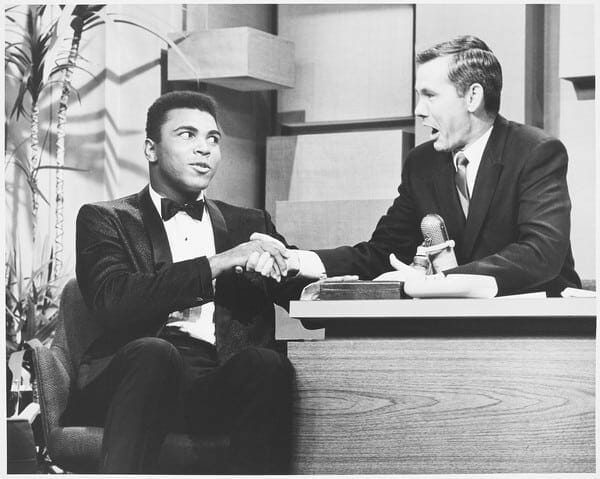
The best moderators are the ones who know how to conduct an interview and shine the light on their interviewees. Johnny Carson, often considered one of the best interviewers, was famous for his philosophy of always making his guests look good. In our increasingly ego driven world - being a great moderator means putting your ego into the backseat and focusing on fostering a great discussion on stage. Here are a few tips that should help:
Panels at conferences usually elicit the same sort of low expectations. Generally the speakers are chosen based on job titles and companies they work for rather than an ability to share insights - and moderators follow the boring formula of asking a question and letting everyone on the panel answer it (which leads to lots of agreement and very little real discussion). The sad truth is, most panels stink - and usually the problem comes down to having an inexperienced moderator.
The best moderators are the ones who know how to conduct an interview and shine the light on their interviewees. Johnny Carson, often considered one of the best interviewers, was famous for his philosophy of always making his guests look good. In our increasingly ego driven world - being a great moderator means putting your ego into the backseat and focusing on fostering a great discussion on stage. Here are a few tips that should help:
- Do your homework. You need to really know the issue you are talking about and who your panelists are, so you can focus the discussion and bring out their best points of view. This requires real preparation. Being a moderator doesn't let you off the hook to prepare just because you don't need to put any slides together. Know your panelists, their backgrounds and their companies - that is key.
- Help your panelists shine. When professionals agree to speak at an event, they generally have a point of view about something that they want to share. Maybe they are launching a new product, or trying to position their brand in a certain way. Knowing what motivates your panelists can help you to make sure they get to share their big burning issue, and are engaged in the discussion as a result.
- Never allow slides. Generally slides are conversation killers. If you want to moderate a great a lively discussion, force your panelists to lose their slides, and come ready to participate in a conversation instead.
- Use directed questions, not "down the line" question. This is perhaps the single biggest thing that separates great moderators from crappy ones. When you ask questions, tailor them to a specific panelist and ask for their point of view directly. Instead of asking them the same question, you might say "I know you have invested a lot of time in xxx, talk about whether you feel like that is working or not." Doing this helps get to some deeper insights and lets you avoid having your panelists all agree with and repeat one another. Of course, doing it also means you need to be familiar with your panelists and what they have done - which comes back to tip #1.
- Offer direction, not a script. The best panels have an element of free flowing discussion. It is fine to share some starter questions with the panel, but be ready to follow the path of the conversation as you start to ask questions and guide the conversation in a natural way.
- Stay on topic. There is nothing worse than a panel which goes completely off topic and doesn't talk about the issue which is promised in the program for an event. In many cases, your audience chose to be part of your panel instead of attending another talk in the same time slot. Respect your audience's choice and make sure you do cover the topic promised in the description of your panel.
- Try to bring out different opinions. Part of doing this depends on your having some input in the selection of who the panelists will be ... so as much as possible try to have a hand in selecting panelists for any panel you agree to moderate. If this is not possible, try to find some areas where your panelists have different philosophies so you can try to bring those out.
- Master the basics. There are some basic moderator tricks that you should learn and remember. For example, state your theme for the panel at the beginning, repeat all questions from the audience if they don't have microphones to make sure everyone can hear, give audience members a warning for questions (ie - "in 5 minutes I'll be asking for questions, so you should start thinking about what you want to ask now").
- Be the voice of the audience. At various points, you will hear topics or statements that will surely have the audience thinking about the same thing (ie - a panelist shares that there are "only three brands that really use social media effectively.") In this case, be the voice of the audience and follow up to make sure the panelist shares who those are and why. Everyone will be wondering, so you need to make sure you can empathize and ask those questions.
- Share a recap. After an on stage discussion, it is really important to recap the key messages that were shared during the panel and what the big takeaways should be for audience members. This is ideally done at the end of your panel, but can also be done through some sort of recap after the event itself (I love to do blog posts as recaps of events).
Book Rohit To Speak
Want to bring these ideas to your next event?
Rohit turns the thinking behind posts like this one into keynotes for audiences around the world, from Fortune 500 leadership teams to global industry conferences.
Learn More About Speaking
How It All Started
A Short Backstory Of This Blog
This is a blog about non-obvious ideas. Originally launched on the Typepad platform in 2005 as the Influential Marketing blog, the stories at first focused mainly on digital marketing while Rohit worked at Ogilvy Advertising. In 2015 Rohit officially rebranded to the Non-Obvious Insights Blog and published his WSJ bestseller Non-Obvious. For the past twenty one years, this blog has coined new terms, introduced future marketing practices and inspired the next generation of non-obvious thinkers and marketers.