








APRIL 29, 2013|DATA & ANALYTICS
How Bracelets & Intuition Offer 3 Keys To Using Big Data Successfully

 Imagine if Buzz Lightyear walked up to you and wished you Happy Birthday at a Disney Park. Or if a smart app could predict when you might be hungry based on your last meal, and proactively send you an alert with a coupon to a restaurant you happened to be walking past.
This vision of a nearly sentient and automated marketing world (dramatically visualized in the film Minority Report) is one of the future scenarios that increasingly data-centric organizations of all sizes imagine these days.
When you hear the buzzword "big data" - what do you really think it means?
Rarely has a single term caused so much excitement in business, and concern from citizens wary of losing more privacy controls on their own information. And the more times we hear that 2013 will be the "year of big data" - the more confusing it might seem. Big data is largely misunderstood.
If you consider most of the definitions written by experts, the term "big data" is usually used to describe one of three things:
Imagine if Buzz Lightyear walked up to you and wished you Happy Birthday at a Disney Park. Or if a smart app could predict when you might be hungry based on your last meal, and proactively send you an alert with a coupon to a restaurant you happened to be walking past.
This vision of a nearly sentient and automated marketing world (dramatically visualized in the film Minority Report) is one of the future scenarios that increasingly data-centric organizations of all sizes imagine these days.
When you hear the buzzword "big data" - what do you really think it means?
Rarely has a single term caused so much excitement in business, and concern from citizens wary of losing more privacy controls on their own information. And the more times we hear that 2013 will be the "year of big data" - the more confusing it might seem. Big data is largely misunderstood.
If you consider most of the definitions written by experts, the term "big data" is usually used to describe one of three things:
- The analytic solutions offered by enterprise software and technology firms.
- The high volume of data being collected in minute detail on consumer behaviour online and offline.
- The ability to bring previously separate data sets together to generate new world changing insights.
- Personalization. This the "Buzz Lightyear knows your name" model that Disney is focused on driving with their MagicBand. More data used in real time to improve guest experiences and give them an even more memorable visit to Disney Parks. This focus on personalization is the ultimate double edged sword ... the more information you collect about your customers, the greater expectation they have for you to customize their experience and always know who they are and what they have already told you.
- Optimization. In most marketing organizations, there is significant wastage of resources and budget. This may come from investing in marketing efforts that are not working or are not being tracked properly, or from duplication of efforts or inefficient systems in place. Big data can offer insights into how to optimize what you are already doing to save money, improve results and even add more simplicity to the current programs.
- Innovation. The most forward looking potential benefit from big data is to open up insights into new markets or opportunities that you can't currently see. Innovation sometimes comes from accidental "post-it" style inventions ... but more often in the future it may come from using data to see around blind corners, anticipate new consumer demands and open new markets.
Rohit speaks on this topic. See his AI keynote.
Book Rohit To Speak
Want to bring these ideas to your next event?
Rohit turns the thinking behind posts like this one into keynotes for audiences around the world, from Fortune 500 leadership teams to global industry conferences.
Learn More About Speaking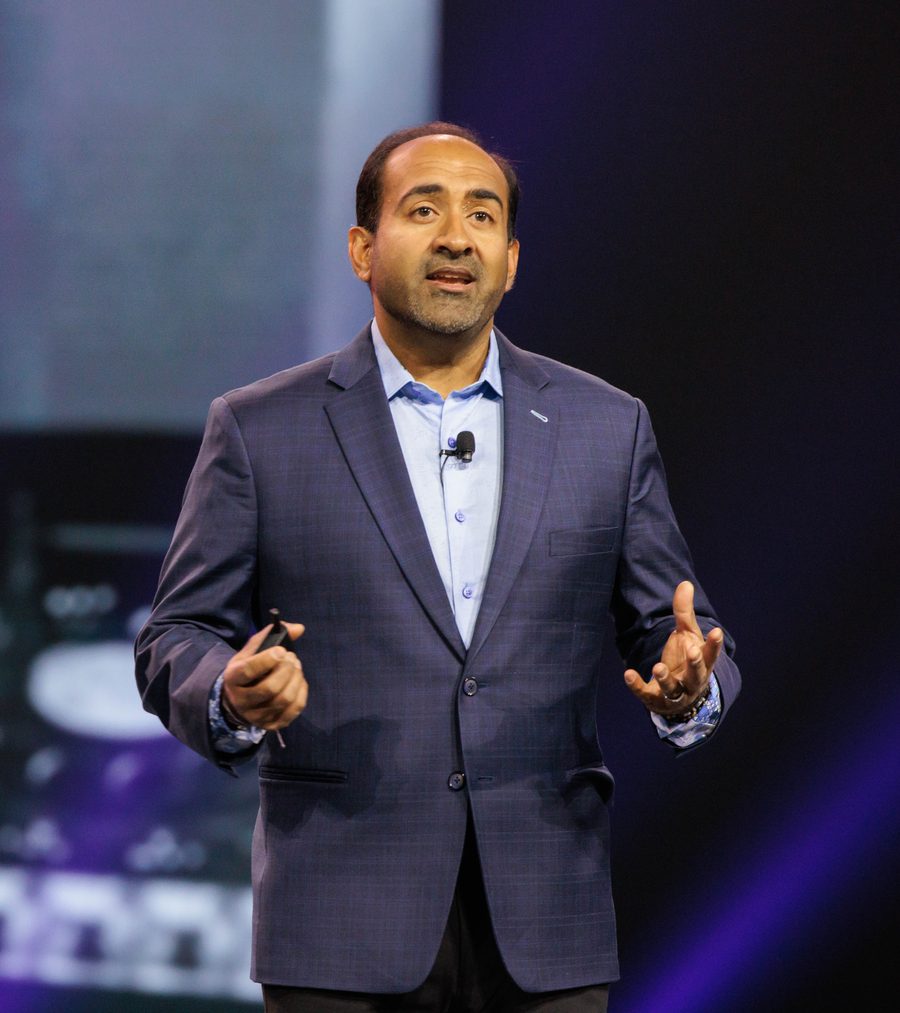
How It All Started
A Short Backstory Of This Blog
This is a blog about non-obvious ideas. Originally launched on the Typepad platform in 2005 as the Influential Marketing blog, the stories at first focused mainly on digital marketing while Rohit worked at Ogilvy Advertising. In 2015 Rohit officially rebranded to the Non-Obvious Insights Blog and published his WSJ bestseller Non-Obvious. For the past twenty one years, this blog has coined new terms, introduced future marketing practices and inspired the next generation of non-obvious thinkers and marketers.