








JUNE 27, 2022|EDUCATION & LEARNING
How Traffic Gardens Can Teach Kids How to Save Their Own Lives

Parents often say the most dangerous thing that their kids will do is get behind the wheel of a car. Actually, every moment those kids use a public road is statistically far more dangerous. You might assume this is because of poor drivers, and that's certainly part of it. According to the data, a far more common cause of injury may be the lack of training most people, and kids in particular, receive on how to safely use those roads.
Writer Ilana Bean explores the work of her mother, a civil engineer who builds “traffic gardens” to help teach kids and non-drivers how to safely navigate roads too.
“Children are essentially treated as passive cargo that adults move around. They get on a school bus that leads them to one particular place; they get in the back of a car and are ferried from one place to another. For the most part, we don’t actively interact with transportation until we reach the magic age of sixteen, when we’re supposed to learn how to operate a two-ton vehicle and navigate the road within a period of months.”
The article convinced me that this is something we need to add to the list of life skills important to teach people at a much younger age, but that never fit neatly into any subject or class at school. Skills like media literacy, or human nutrition, or managing personal finance. We could call it road usage. Or, more accurately, we might call it life preservation.
Book Rohit To Speak
Want to bring these ideas to your next event?
Rohit turns the thinking behind posts like this one into keynotes for audiences around the world, from Fortune 500 leadership teams to global industry conferences.
Learn More About Speaking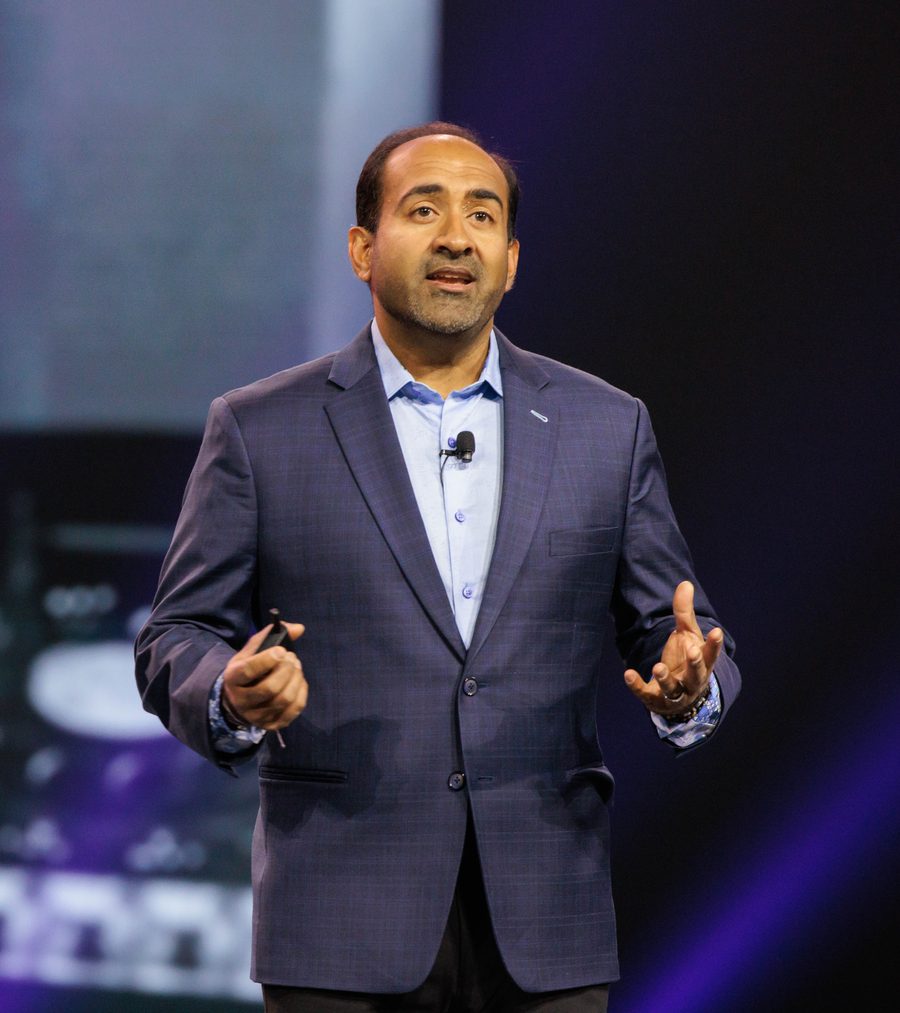
How It All Started
A Short Backstory Of This Blog
This is a blog about non-obvious ideas. Originally launched on the Typepad platform in 2005 as the Influential Marketing blog, the stories at first focused mainly on digital marketing while Rohit worked at Ogilvy Advertising. In 2015 Rohit officially rebranded to the Non-Obvious Insights Blog and published his WSJ bestseller Non-Obvious. For the past twenty one years, this blog has coined new terms, introduced future marketing practices and inspired the next generation of non-obvious thinkers and marketers.