








NOVEMBER 14, 2005|MEDIA PLANNING & BUYING
IMvertising in an Interruption Culture
We have been living in an interruption culture. Many authors, including Seth Godin, have rightly pointed out the pitfalls of interruption marketing in this environment. Grabbing the consumers attention with interruption and hoping for engagement is a dying model. Consumer respond to messages that are relevant, and are presented at a relevant time. Timing is the key. But even as interruption marketing is failing, interruption communication is hotter than ever. Instant messaging is interruptive by nature, and usage of IM is increasing. A few days ago CNET just published their report indicating that nearly 66% of 13-21 year-olds say they send more IMs than e-mails. Even more interestingly, the article notes that 58% of people are using it to communicate with colleagues at work. So the question is, if interruption marketing doesn't work, why is interruption communication thriving?
Some could argue that IM messages are more personal, non-commercial and more relevant. But I don't believe any of these arguments can fully account for why IM use is rising so dramatically. Rather, I believe that in many ways, we like living in an interruption culture. People sometimes want interruption. Anyone who has procrastinated doing something or struggled to find inspiration knows that sometimes it is the interruption that allows us the clarity to complete a task. In addition, IM gives us a virtual billboard that we can hang in front of ourselves to declare our physical and mental state (Busy/Out to Lunch/Online) All of a sudden, everyone can tell if you are able to talk or not. As a result, IM allows far more civilized interruption communications ... but they are still interruptions. So if interruptions are ok as long as users have some amount of control, why shouldn't they be able to tell advertisers when they are receptive to being interrupted with their messages? What if there was Opt-in IMvertising, where consumers could ask for marketing messages, or refuse them based on setting their current status? Suddenly, instant communications with consumers as they watch television shows or shop/search for products online could be possible. IM has the potential to be far more than a growing customer service/support tool online, and Opt-in IMvertising could lead the way.
Book Rohit To Speak
Want to bring these ideas to your next event?
Rohit turns the thinking behind posts like this one into keynotes for audiences around the world, from Fortune 500 leadership teams to global industry conferences.
Learn More About Speaking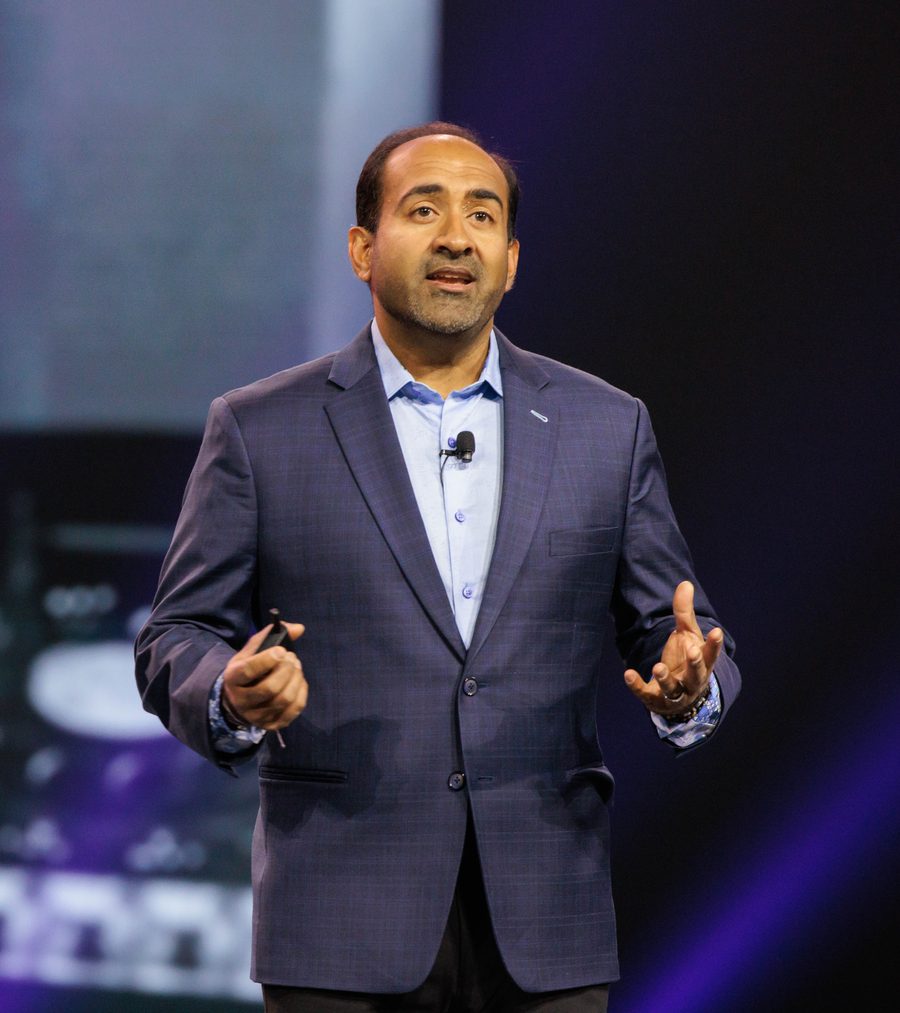
How It All Started
A Short Backstory Of This Blog
This is a blog about non-obvious ideas. Originally launched on the Typepad platform in 2005 as the Influential Marketing blog, the stories at first focused mainly on digital marketing while Rohit worked at Ogilvy Advertising. In 2015 Rohit officially rebranded to the Non-Obvious Insights Blog and published his WSJ bestseller Non-Obvious. For the past twenty one years, this blog has coined new terms, introduced future marketing practices and inspired the next generation of non-obvious thinkers and marketers.