





NOVEMBER 14, 2024|DIVERSITY
Is All-Blind Narration the Future of Audio Description for Films & TV?
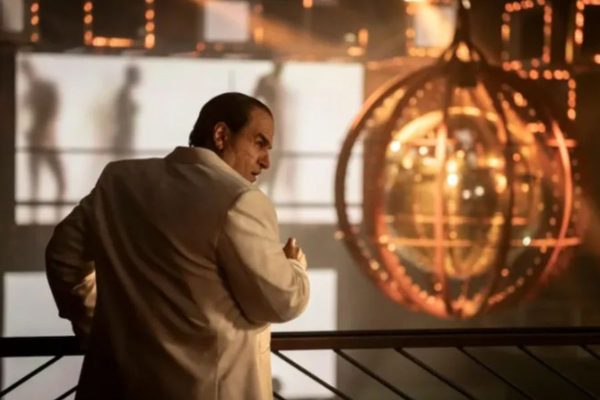
“He looks ahead, his dark eyebrows overshadowing his dark eyes. One of his several gold teeth gleams in the dim light.”
This is the audio description for a scene from a limited series called The Penguin from Max, a part of the Warner Brothers group. This isn’t just another AI-generated audio description of a visual scene, it was created by an all-blind and visually impaired team of actual humans who could describe the scene based on a combination of notes and scene descriptions from the original script of the show. It’s an unusual choice in an industry that is increasingly turning to automation for production tasks.
The story does highlight the long-understood idea that people who lack one sense may develop near extreme abilities to compensate as their brain rewires itself.

It is also a great reminder that despite the pace of technological advances, there may still be some jobs better completed by real, feeling people. It’s a conclusion you might also take away from the recent study which found self-driving taxis are slower and more expensive than human-powered ride sharing services. We’ll take the win. It’s still nice to see any evidence that humans still have the edge.
Book Rohit To Speak
Want to bring these ideas to your next event?
Rohit turns the thinking behind posts like this one into keynotes for audiences around the world, from Fortune 500 leadership teams to global industry conferences.
Learn More About Speaking
How It All Started
A Short Backstory Of This Blog
This is a blog about non-obvious ideas. Originally launched on the Typepad platform in 2005 as the Influential Marketing blog, the stories at first focused mainly on digital marketing while Rohit worked at Ogilvy Advertising. In 2015 Rohit officially rebranded to the Non-Obvious Insights Blog and published his WSJ bestseller Non-Obvious. For the past twenty one years, this blog has coined new terms, introduced future marketing practices and inspired the next generation of non-obvious thinkers and marketers.