







MAY 20, 2005|TECHNOLOGY & SOFTWARE
iVillage works around 800x600 screen size limitations
Browsers are continually updated, broadband is growing ... but somehow we seem stuck with an 800x600 convention when it comes to design. My mouse has a horizontal scrolling wheel feature on it. But with my standard laptop screen of 1024x768 - I hardly ever use it. But am I unique because I live in a "wired" world? Is the rest of the US really living with 800x600 screens? Recent stats from www.thecounter.com indicate that just over 65% of all Internet users have a screen resolution of 1024x768 or higher. Is that enough to leave all 800x600 users behind? Probably not. But I would guess that many sites with a higher end, tech saavy audience would have a much higher percentage of users with the higher screen resolutions. It's sad how empty the www.apple.com site looks with it's 800x600 design on my 20-inch iMac screen at home. iVillage has come up with a good workaround, though ...
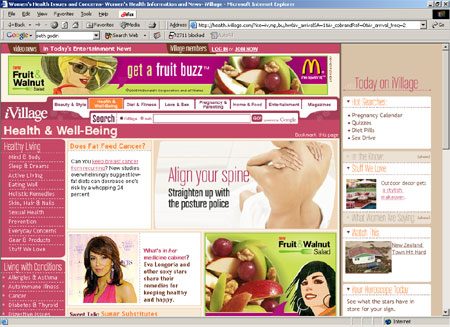
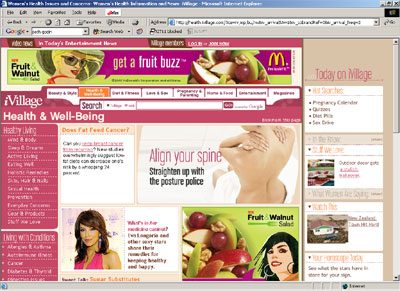
iVillage (www.ivillage.com) uses a sidebar to extend the screen and use more horizontal real estate. It's a great visual experience for the 1024 set, but even if you are stuck with an 800x600 sized screen, you won't miss out. The rest of the page stands alone even without the sidebar. Hopefully more sites will consider similar design choices in the future. I'm feeling just a little bit discriminated against with those huge gaps down the right hand side of my screen. It's just not fair.
See the screen resolution stats for April 2005 here: https://www.thecounter.com/stats/2005/April/res.php
Book Rohit To Speak
Want to bring these ideas to your next event?
Rohit turns the thinking behind posts like this one into keynotes for audiences around the world, from Fortune 500 leadership teams to global industry conferences.
Learn More About Speaking
How It All Started
A Short Backstory Of This Blog
This is a blog about non-obvious ideas. Originally launched on the Typepad platform in 2005 as the Influential Marketing blog, the stories at first focused mainly on digital marketing while Rohit worked at Ogilvy Advertising. In 2015 Rohit officially rebranded to the Non-Obvious Insights Blog and published his WSJ bestseller Non-Obvious. For the past twenty one years, this blog has coined new terms, introduced future marketing practices and inspired the next generation of non-obvious thinkers and marketers.