Is Twitter useful anymore (or was it ever)?
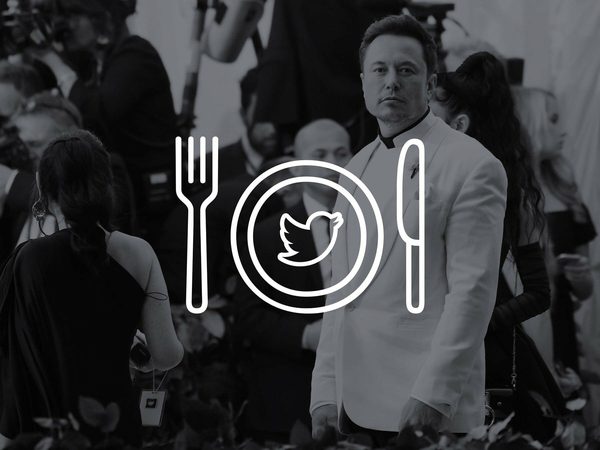
Most of us who have been on the platform for some time have likely experienced a downward shift in its value. For me, the platform used to offer an interesting stream of real time commentary from friends and acquaintances. Over time it became a noisy flood of retweets and half formed opinions. The demise of Twitter into "the world’s most anarchic social media platform" is the topic explored in an article from WIRED contributor Felix Salmon this week which takes a deeper look at the value and devaluation of Twitter.
"It’s less and less a distributed mode of many-to-many communication, and more and more a broadcasting hub for the elite—a highly unequal place where their least-considered, Ambien-addled opinions get amplified to a global audience of millions."
One of the challenges of Twitter is that random thoughts get over analyzed by reporters desperate to share headlines and fill their news cycles. They are easily taken out of context and actively shared through retweets (by actual human accounts as well as millions of Twitter bots). It is an echo chamber of screams and manipulated outrage presented as thoughtful commentary. The fuel for this fire, Salmon suggests, comes from celebrities like Elon Musk, Kanye West and Donald Trump who are masters of stoking rage.
What if we could ban them and give the platform back to every day users? That would certainly make the platform more useful for the rest of us, but is unlikely because of how much the media depends on this endless bounty of stupidity and controversy to tell an easy story. Not to mention how much all of us seem to enjoy reading those stories.
Share
Book Rohit To Speak
Want to bring these ideas to your next event?
Rohit turns the thinking behind posts like this one into keynotes for audiences around the world, from Fortune 500 leadership teams to global industry conferences.
This is a blog about non-obvious ideas. Originally launched on the Typepad platform in 2005 as the Influential Marketing blog, the stories at first focused mainly on digital marketing while Rohit worked at Ogilvy Advertising. In 2015 Rohit officially rebranded to the Non-Obvious Insights Blog and published his WSJ bestseller Non-Obvious. For the past twenty one years, this blog has coined new terms, introduced future marketing practices and inspired the next generation of non-obvious thinkers and marketers.
Want More Non-Obvious Ideas?
Join 100K+ ReadersTo Get Weekly Insights
The Non-Obvious Insights Newsletter brings you the five or six most fascinating and overlooked stories of the week, with a quick take on why each one matters.
One email every Thursday. No spam, unsubscribe anytime.
Rohit Bhargava is on a mission to inspire more non-obvious thinking in the world.