




APRIL 2, 2018|HEALTHCARE
Selfie Medicine, Luxury Marketing And How To Get Paid To Watch Netflix
 How "Selfie Medicine" Is Changing The Future Of Healthcare
What if your pills and medication had tracking built in to ensure that you were taking them as prescribed? That may be the future we are headed towards for the simple reason that there is quite a lot of money to be made if pharma companies can increase medicine adherence. Of course, it's also a health issue - but the money is likely to be a major driver in everything from digital pillsto the idea that patients use selfies and videos to document their pill-taking regime. This article explores this future, and asks all the right questions about the privacy implications of such a system and who the ultimate benefactor of these technologies really is.
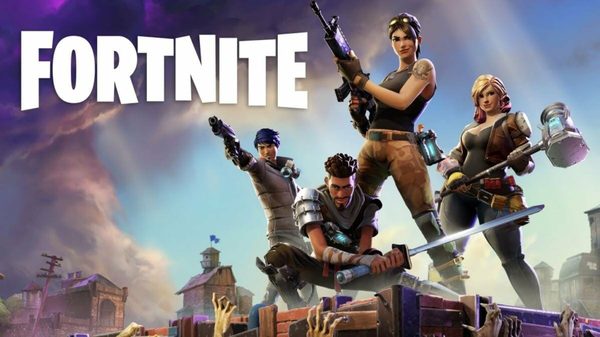
Why Kids Are Addicted To Fortnite Mobile (And What It Means)
Like many kids, mine are completely addicted right now to the game Fortnite. This article looks at some of the reasons why the game has become so popular. It seems like a contradiction to the recent #marchforourlives movement architected by many of the same kids who play this shooter game. Apparently teens don't connect guns or violence in video games to guns and violence in real life. They make the point that such guns should not be so easy (or even possible) to acquire in real life because reality is different than a video game. It's a shame more adults can't seem to reach such as sane conclusion.
How "Selfie Medicine" Is Changing The Future Of Healthcare
What if your pills and medication had tracking built in to ensure that you were taking them as prescribed? That may be the future we are headed towards for the simple reason that there is quite a lot of money to be made if pharma companies can increase medicine adherence. Of course, it's also a health issue - but the money is likely to be a major driver in everything from digital pillsto the idea that patients use selfies and videos to document their pill-taking regime. This article explores this future, and asks all the right questions about the privacy implications of such a system and who the ultimate benefactor of these technologies really is.
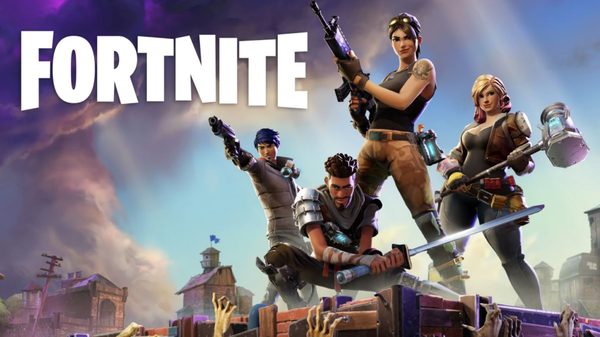
Why Kids Are Addicted To Fortnite Mobile (And What It Means)
Like many kids, mine are completely addicted right now to the game Fortnite. This article looks at some of the reasons why the game has become so popular. It seems like a contradiction to the recent #marchforourlives movement architected by many of the same kids who play this shooter game. Apparently teens don't connect guns or violence in video games to guns and violence in real life. They make the point that such guns should not be so easy (or even possible) to acquire in real life because reality is different than a video game. It's a shame more adults can't seem to reach such as sane conclusion.
 Inside The Life Of A Paid Netflix Watcher and Metadata Creator
If you have ever wondered how Netflix organizes and tags all of its content, there is more than just an automated process at work. This piece from Fast Company takes you inside the world of a professional Netflix watcher who spends more than 20 hours per week watching content on Netflix in order to tag it with the right metadata to help organize it for viewers to find. Given the rapid growth of Netflix as a platform for people to consume entertainment, it is a deceptively important role as this metadata plays a role in what shows get discovered and in turn which become cultural phenomena. And yes, the article even has some tips on how to apply to get that job for yourself. :-)
Facebook's Like Button Creator Has The Secret To Avoiding Distraction
This has been a week where Facebook has continually been battered in the news while new tools that promise to curb the site's ability to track your actionshave gained attention. Young people are shunning the site, which many others are deleting their account. The most interesting article though, came from one of the original creators of Facebook's Like button who believes social media has become big waste of time. How do you reclaim your time? The key, he says, is to transform your relationship to notifications. Hardly anything is timely and important, so guard your time by removing those notifications. The only thing I EVER get notifications for are text messages. Otherwise everything, including unscheduled phone calls, FB messages and any other alerts are hidden and muted. It is a technique I highly recommend.
Even More Interesting Stories This Week ...
Inside The Life Of A Paid Netflix Watcher and Metadata Creator
If you have ever wondered how Netflix organizes and tags all of its content, there is more than just an automated process at work. This piece from Fast Company takes you inside the world of a professional Netflix watcher who spends more than 20 hours per week watching content on Netflix in order to tag it with the right metadata to help organize it for viewers to find. Given the rapid growth of Netflix as a platform for people to consume entertainment, it is a deceptively important role as this metadata plays a role in what shows get discovered and in turn which become cultural phenomena. And yes, the article even has some tips on how to apply to get that job for yourself. :-)
Facebook's Like Button Creator Has The Secret To Avoiding Distraction
This has been a week where Facebook has continually been battered in the news while new tools that promise to curb the site's ability to track your actionshave gained attention. Young people are shunning the site, which many others are deleting their account. The most interesting article though, came from one of the original creators of Facebook's Like button who believes social media has become big waste of time. How do you reclaim your time? The key, he says, is to transform your relationship to notifications. Hardly anything is timely and important, so guard your time by removing those notifications. The only thing I EVER get notifications for are text messages. Otherwise everything, including unscheduled phone calls, FB messages and any other alerts are hidden and muted. It is a technique I highly recommend.
Even More Interesting Stories This Week ...
Book Rohit To Speak
Want to bring these ideas to your next event?
Rohit turns the thinking behind posts like this one into keynotes for audiences around the world, from Fortune 500 leadership teams to global industry conferences.
Learn More About Speaking
How It All Started
A Short Backstory Of This Blog
This is a blog about non-obvious ideas. Originally launched on the Typepad platform in 2005 as the Influential Marketing blog, the stories at first focused mainly on digital marketing while Rohit worked at Ogilvy Advertising. In 2015 Rohit officially rebranded to the Non-Obvious Insights Blog and published his WSJ bestseller Non-Obvious. For the past twenty one years, this blog has coined new terms, introduced future marketing practices and inspired the next generation of non-obvious thinkers and marketers.