








NOVEMBER 15, 2024|FOOD AND DRINK
Michelin-Starred Chef Discusses the Art of Plating
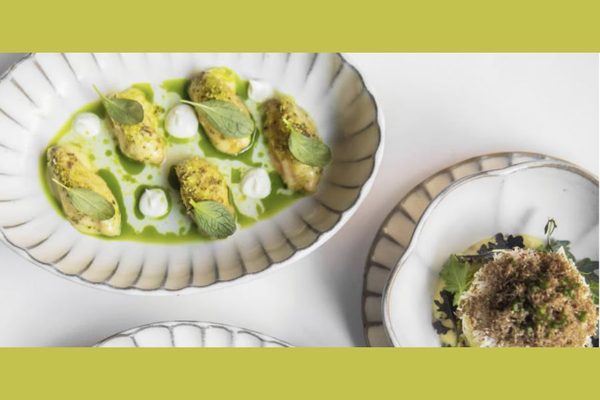
Anytime I have the opportunity to dine at a nicer restaurant, there is always someone immediately pulling out their phone to take a photo of the food when it arrives. Taking pictures of beautifully plated food is the ultimate pointless exercise many of us do anyway. Unless you're a food or culture influencer, you're probably not posting that photo. You will rarely show it to anyone else. And you'll probably never look at it again. It's a bit like taking photos of fireworks on the 4th of July. You do it because what you're looking at is just too beautiful not to capture it.
In an interesting piece from Cool Hunting this week, Michelin-starred chef Sergio Herman explains some of his philosophy behind the art of plating and what goes through his mind when thinking about the ideal way to plate a certain dish. His goal isn't just to inspire people from a culinary perspective, but to try and do the same thing when it comes to how the table is decorated. One of the main ways he does this is by embracing the Japanese concept of "wabi-sabi"--which loosely translates to finding beauty through imperfections:
"Imperfect perfection is about creating visual tension. It's the flaws and irregularities that give something its unique character. Perfection can sometimes feel sterile, while imperfection adds warmth and authenticity."

I see this philosophy beyond food too. Imperfection is something I've written about as a trend (I called it "Lovable Unperfection") and a concept I try to use in my stage talks whenever I can too. It's the idea that you show vulnerability and authenticity by leaving the ideal of perfection behind and instead being willing to share the small flaws as a part of your product or experience. It's why artisan pizzas keep their burnt edges, natural wood keeps its knots and grains, and farmers markets keep their irregular produce. Showing imperfection is a winning strategy.
Book Rohit To Speak
Want to bring these ideas to your next event?
Rohit turns the thinking behind posts like this one into keynotes for audiences around the world, from Fortune 500 leadership teams to global industry conferences.
Learn More About Speaking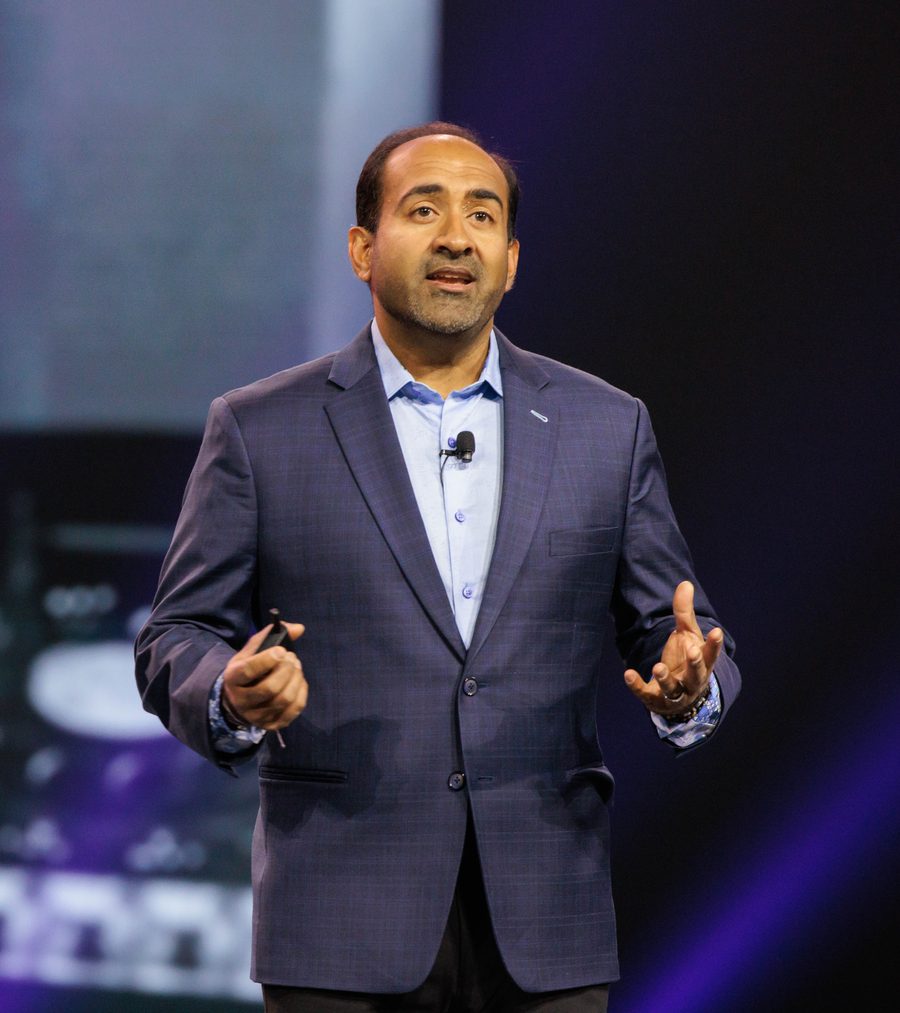
How It All Started
A Short Backstory Of This Blog
This is a blog about non-obvious ideas. Originally launched on the Typepad platform in 2005 as the Influential Marketing blog, the stories at first focused mainly on digital marketing while Rohit worked at Ogilvy Advertising. In 2015 Rohit officially rebranded to the Non-Obvious Insights Blog and published his WSJ bestseller Non-Obvious. For the past twenty one years, this blog has coined new terms, introduced future marketing practices and inspired the next generation of non-obvious thinkers and marketers.