






JULY 1, 2007|ENVIRONMENT + SUSTAINABILITY
One Hour No Power Campaign - And Other Ways to Save The World
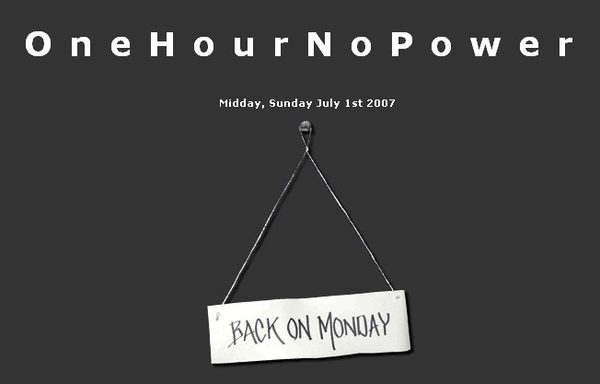 I love a good grassroots campaign to change the world - and usually I do all I can to help these causes when I find them. The latest one that's caught my attention is the "One Hour No Power" campaign which is asking everyone today at midday in your local time to forego using all power. That means turning TVs and computers off, not driving, and just being outside or away from technology and power for an hour. I love the concept of this - but the problem is that a short term awareness stunt like this may not lead to longer term behaviour change. We need the stunt to be viral and (hopefully) drive media interest ... but the real question is what to follow it up with.
I came across an interesting article on the website for the Today Show yesterday where they highlight some lessons from the "Live Earth Global Warming Survival Handbook," which offers 77 tips on how to make an impact on the world. On that stands out from this article and also has been getting recent attention is what the piece terms "phantom power" - namely, the power that is drained by your electronic devices while they are in standby mode. It points to what I believe should be a shift in how we all think about all social marketing campaigns that relate to energy usage and global warming. It's not about reducing consumption, it's about reducing waste. Reducing what we use means a sacrifice, which people may or may not take. Reducing waste means getting smarter and more efficient. It means saving money. And best of all, it means no (or little) sacrifice. Am I saying we should tell people to use all the energy they want as long as they use it? Of course not. But in a culture where "me" usually comes before "you" ... reducing waste is a message that gives the impression you can do good for the world without sacrificing anything. That may not be true, but it certainly makes for more compelling marketing.
Related Posts
Book Rohit To Speak
Want to bring these ideas to your next event?
Rohit turns the thinking behind posts like this one into keynotes for audiences around the world, from Fortune 500 leadership teams to global industry conferences.
Learn More About Speaking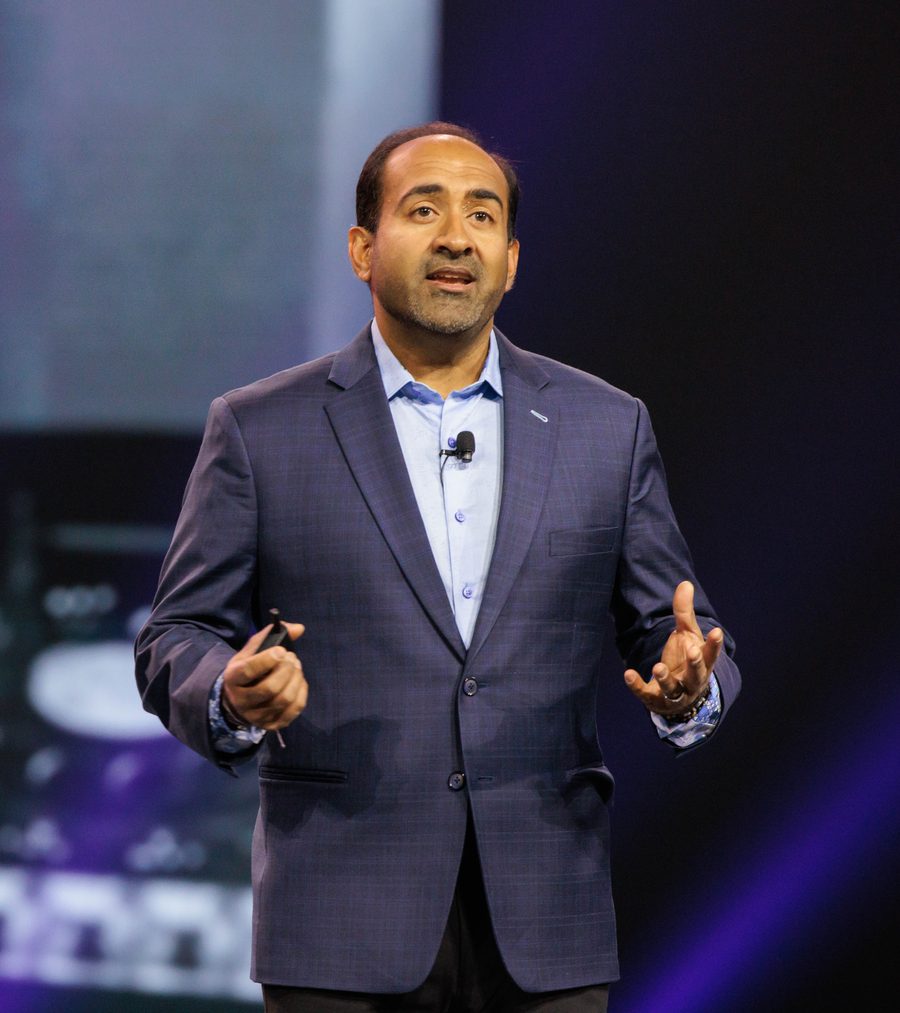
How It All Started
A Short Backstory Of This Blog
This is a blog about non-obvious ideas. Originally launched on the Typepad platform in 2005 as the Influential Marketing blog, the stories at first focused mainly on digital marketing while Rohit worked at Ogilvy Advertising. In 2015 Rohit officially rebranded to the Non-Obvious Insights Blog and published his WSJ bestseller Non-Obvious. For the past twenty one years, this blog has coined new terms, introduced future marketing practices and inspired the next generation of non-obvious thinkers and marketers.