








MAY 15, 2025|ARTIFICIAL INTELLIGENCE
People Are Losing Loved Ones to AI-Fueled Spiritual Fantasies

For years, people have been worried about what will happen if humans start to worship AI and technology. The opposite question is one we rarely ask. What happens when AI worships us? In some cases, that dynamic is already leading to some concerning cases where people form deeper bonds with technology that adores them and start to shun the humans in their life who don’t offer the same sort of constant adoration. In a case profiled in a story from Rolling Stone this week, a woman shared that her husband’s “obsession steadily eroded their communication as a couple.” As AI gets better and more attentive to humans as a companion, it’s highly likely this will be a more frequent situation. No human can compete with an always-on AI friend instantly ready to prop you up, tell you what you want to hear and anticipate your preferences.
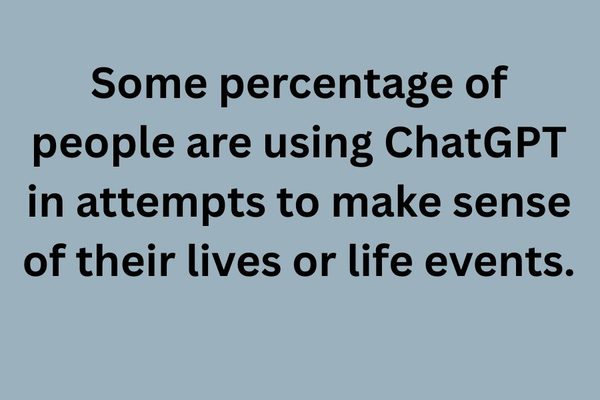
In some cases, we are training the technology to become an idealized version of what we want from a partner. Unwavering constant attention. In the example from the story, the woman reported that AI was “talking to him as if he is the next messiah.” Ultimately, these stories are increasingly leading people to “wonder if they are getting a glimpse of a true technological breakthrough — or perhaps a higher spiritual truth.”
Rohit speaks on this topic. See his AI keynote.
Book Rohit To Speak
Want to bring these ideas to your next event?
Rohit turns the thinking behind posts like this one into keynotes for audiences around the world, from Fortune 500 leadership teams to global industry conferences.
Learn More About Speaking
How It All Started
A Short Backstory Of This Blog
This is a blog about non-obvious ideas. Originally launched on the Typepad platform in 2005 as the Influential Marketing blog, the stories at first focused mainly on digital marketing while Rohit worked at Ogilvy Advertising. In 2015 Rohit officially rebranded to the Non-Obvious Insights Blog and published his WSJ bestseller Non-Obvious. For the past twenty one years, this blog has coined new terms, introduced future marketing practices and inspired the next generation of non-obvious thinkers and marketers.