






As Featured In:

The New York TimesThe Wall Street JournalThe Washington Post
EntrepreneurInc.CNNWebby Award Honoree

Selected as one of the best newsletters on the Internet by the Webby Awards!

NOVEMBER 7, 2017|TRENDS & CULTURE


What I Learned By Predicting Trends For 8 Years (And Almost Becoming A Futurist)
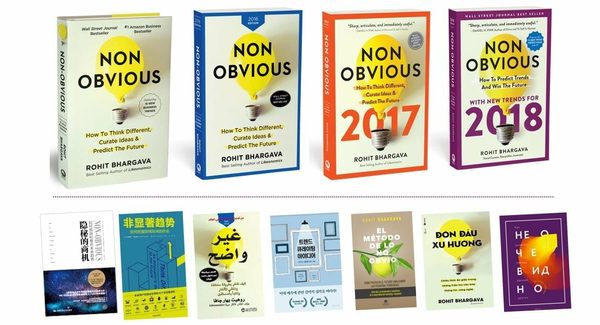

NonObviousBookCovers
I have often resisted describing myself as a futurist. To me, a futurist was someone who offered an ambitious prediction of the far future -- usually focusing on things like energy produced by bio luminescent bacteria or 3D printed houses. Instead, I have spent close to the past decade predicting the near future. Every year, my Non-Obvious Trend Report features 15 new predictions for the year ahead along with an action guide on how to use the trends. For the first few years, I shied away from calling myself a "futurist" because it felt too grandiose. Those early trends were heavily focused on marketing and business, a far cry from the big global issues most futurists seemed to focus on. The fifth year was the one where I reached a tipping point both in audience (passing half a million readers online) and in the scope of my trends. That year the trends were split into five categories: Culture & Consumer Behaviour, Marketing, Media, Technology and Economics. It was also the year I decided to start a company focused on helping brands and leaders learn to see what others miss. Since then, there have been three more updates to the trends and the 2018 Edition is now printed and ready for release a month from today. I still resist the idea of labeling myself a futurist - but I have learned a few things along the way about predicting the future that I think are worth sharing:

1. Predictions are different than trends.

At the end of every year, predictions become plentiful. Unfortunately, most don't deserve to be called trends. If, for example, you read that "experimentation with drone deliveries will continue to grow," that is a prediction and most likely true. It isn't, however, a trend. The trend might be something like "Disruptive Distribution" - a trend I first wrote about several years ago to describe how the way we get products and services delivered to us is shifting in fundamental ways. Drone deliveries are an EXAMPLE of that trend.

2. Trends are not rules, they are sparks.

It is tempting to see trends as strict ways of describing the world, but that is never the case. Trends give rise to "anti-trends," and there are always exceptions to every rule. The best way to use trends is to let them offer a spark for a new way of thinking. Structuring brainstorms or strategy around trends can be useful because they give you a new perspective on seeing the world and help you ask better "what if" questions.

3. Success comes from breaking out of industry bias.

One thing I have seen over and over again with trend predictions is that they suffer from a sort of industry myopia. Financial industry groups look to financial industry trend predictions. Retail does the same. The problem this creates is obvious - it's hard to innovate when you're only looking at the most innovative peers within a subset. The best ideas sometimes have to come from outside an industry. Over the next several weeks, I will be sharing new trend predictions from the latest 2018 report here and elsewhere online. To read new ideas before they are shared publicly, you can subscribe to my weekly insights newsletter where I send new stories every Thursday morning.

Preorder your copy of Non-Obvious 2018 >

Join the Trend Curator's Network >

Rohit speaks on this topic. See his futurist keynote.

Share

Book Rohit To Speak

Want to bring these ideas to your next event?

Rohit turns the thinking behind posts like this one into keynotes for audiences around the world, from Fortune 500 leadership teams to global industry conferences.

Learn More About Speaking
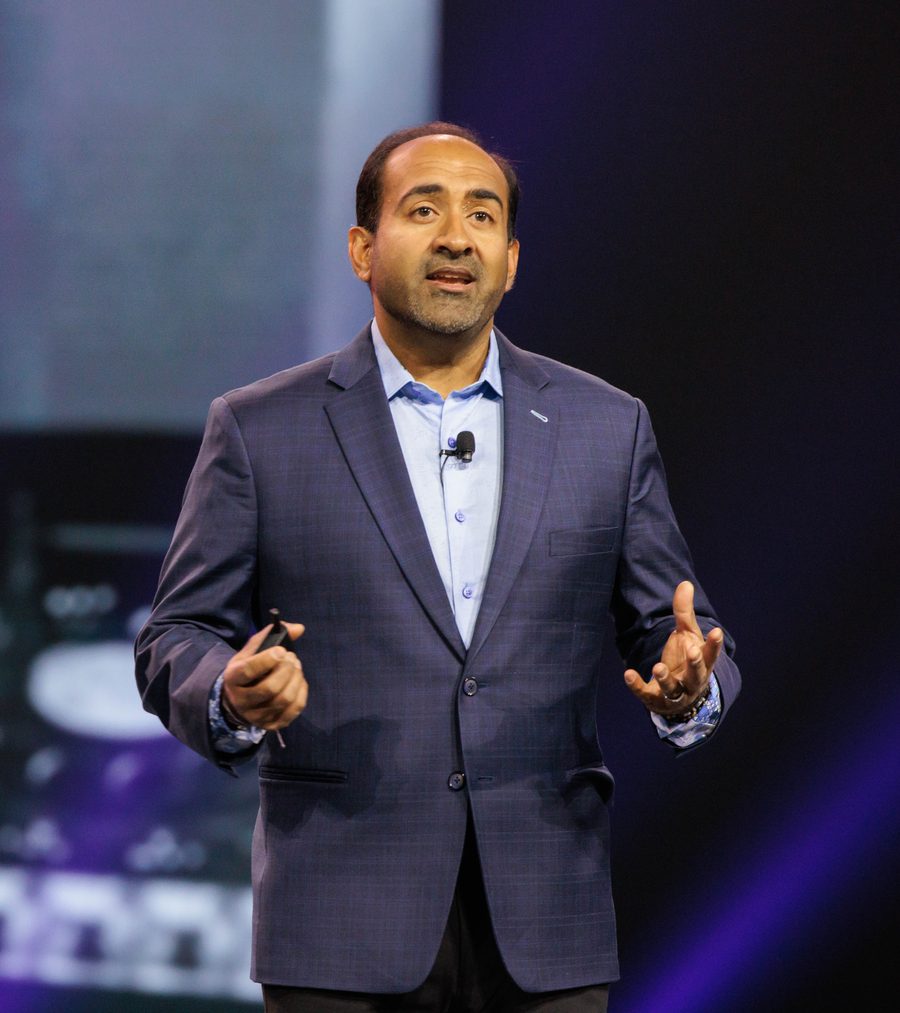
Rohit Bhargava delivering a keynote

Related Categories

How It All Started

A Short Backstory Of This Blog

This is a blog about non-obvious ideas. Originally launched on the Typepad platform in 2005 as the Influential Marketing blog, the stories at first focused mainly on digital marketing while Rohit worked at Ogilvy Advertising. In 2015 Rohit officially rebranded to the Non-Obvious Insights Blog and published his WSJ bestseller Non-Obvious. For the past twenty one years, this blog has coined new terms, introduced future marketing practices and inspired the next generation of non-obvious thinkers and marketers.


Want More Non-Obvious Ideas?

Join 100K+ ReadersTo Get Weekly Insights

The Non-Obvious Insights Newsletter brings you the five or six most fascinating and overlooked stories of the week, with a quick take on why each one matters.

    One email every Thursday. No spam, unsubscribe anytime.

    ×