







OCTOBER 15, 2013|TRENDS & CULTURE
Rainbow Loom vs. Silly Bandz - Why One Marketing Fad Outlasts Another

 Reason #2 - Building Super Users
YouTube is filled with videos of kids sharing their own designs using the kit to create all kinds of new products. Some of the most popular have hundreds of thousands of views. More importantly, the kids who have gotten really good at creating their bracelets are even turning them into a side business and selling them to other kids. When you have a core group of super users this engaged, the initial buzz of a fad can last longer and grow into something more sustained.
Reason #3 - Incorporating Personalization
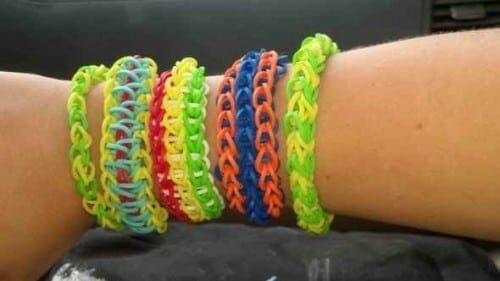
When you wear a Rainbow Loom, you are making a fashion statement because they are all different. As a result, kids who are getting into creating and wearing them aren't just following the earlier moving kids. They are adding their own voice and personality to it along the way, which makes it far more likely that their popularity will last.
Reason #2 - Building Super Users
YouTube is filled with videos of kids sharing their own designs using the kit to create all kinds of new products. Some of the most popular have hundreds of thousands of views. More importantly, the kids who have gotten really good at creating their bracelets are even turning them into a side business and selling them to other kids. When you have a core group of super users this engaged, the initial buzz of a fad can last longer and grow into something more sustained.
Reason #3 - Incorporating Personalization
When you wear a Rainbow Loom, you are making a fashion statement because they are all different. As a result, kids who are getting into creating and wearing them aren't just following the earlier moving kids. They are adding their own voice and personality to it along the way, which makes it far more likely that their popularity will last.
 These three reasons set Rainbow Looms apart from Silly Bandz and make them more likely to survive the long term. The main question, which the NY Times article raises, is whether the creator of the product will be able to fend off competitors who may come in and copy the product and erode his early market share. To prevent this, Rainbow Looms will need to combine a great experience with something that is often more difficult to build ... a brand that people care about.
Rohit speaks on this topic. See his futurist keynote.
Related Posts
Book Rohit To Speak
Want to bring these ideas to your next event?
Rohit turns the thinking behind posts like this one into keynotes for audiences around the world, from Fortune 500 leadership teams to global industry conferences.
Learn More About Speaking
How It All Started
A Short Backstory Of This Blog
This is a blog about non-obvious ideas. Originally launched on the Typepad platform in 2005 as the Influential Marketing blog, the stories at first focused mainly on digital marketing while Rohit worked at Ogilvy Advertising. In 2015 Rohit officially rebranded to the Non-Obvious Insights Blog and published his WSJ bestseller Non-Obvious. For the past twenty one years, this blog has coined new terms, introduced future marketing practices and inspired the next generation of non-obvious thinkers and marketers.