







AUGUST 16, 2022|MEDIA & JOURNALISM
Real Journalism Is Dying ... and It Might Be Your Fault

Gannett, the nation's largest newspaper chain and owner of more than 250 regional newspapers announced "dismal" earnings for the past quarter and announced another round of layoffs. In response, people have been proposing a lot of solutions, from allowing journalists to unionize to firing or reducing executive pay. Every time I read a story about the uncertain future of journalism, the issue seems more and more complicated. But what if it isn't?
Here's the problem: too many intelligent people act as if quality journalism is free.
If you are a reader of this newsletter, you are a smart person. I know you are the sort of person who already understands the value and importance of real journalists. So here's a question for you: how much journalism do you actually pay for? Are you a paying subscriber to the newspapers and magazines whose stories you share? Do you have a paid digital subscription to the news sites that you read most often? If not, the harsh truth is that you're part of this problem and contributing to the demise of journalism. But I know you want to do better.
The solution is easy. Start paying for the journalism you consume. And no, your streaming platform subscriptions don't count. That is entertainment, not news.
Related Posts
Book Rohit To Speak
Want to bring these ideas to your next event?
Rohit turns the thinking behind posts like this one into keynotes for audiences around the world, from Fortune 500 leadership teams to global industry conferences.
Learn More About Speaking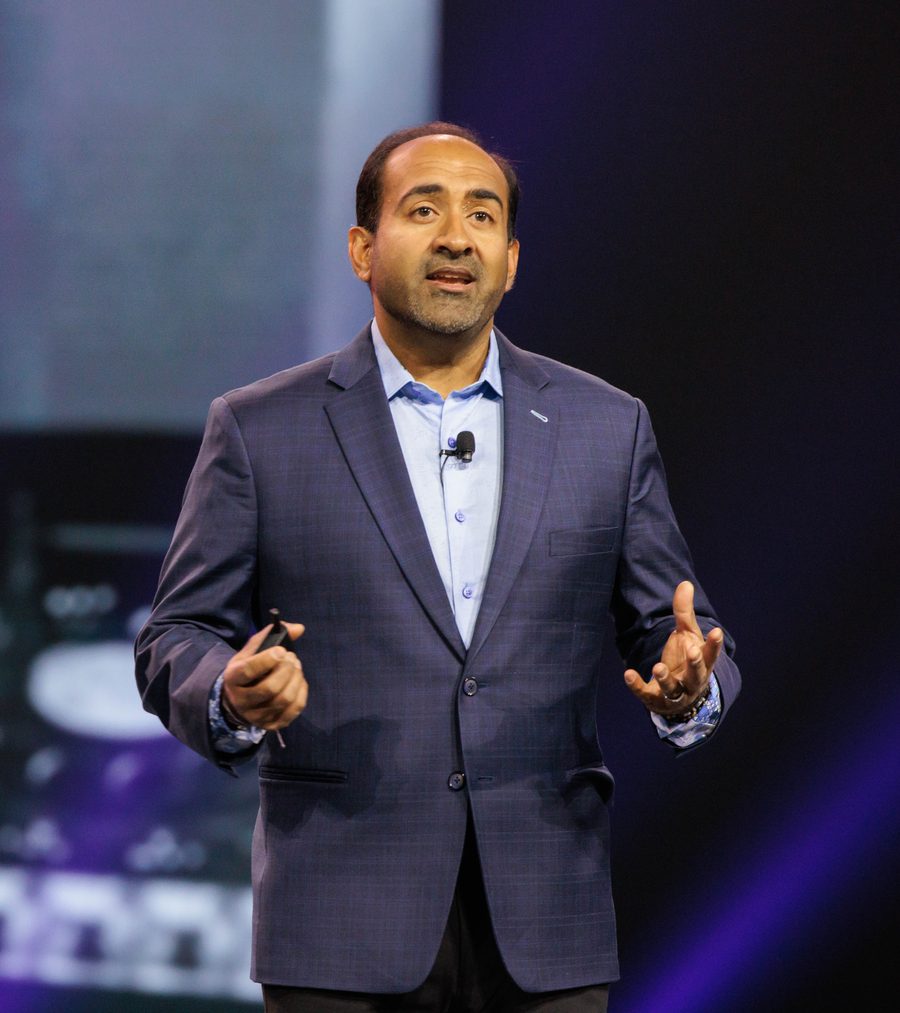
How It All Started
A Short Backstory Of This Blog
This is a blog about non-obvious ideas. Originally launched on the Typepad platform in 2005 as the Influential Marketing blog, the stories at first focused mainly on digital marketing while Rohit worked at Ogilvy Advertising. In 2015 Rohit officially rebranded to the Non-Obvious Insights Blog and published his WSJ bestseller Non-Obvious. For the past twenty one years, this blog has coined new terms, introduced future marketing practices and inspired the next generation of non-obvious thinkers and marketers.