






MAY 6, 2024|ARTIFICIAL INTELLIGENCE
Reid Hoffman Interviews an AI Cloned Version of Himself to See How Good It Really Is
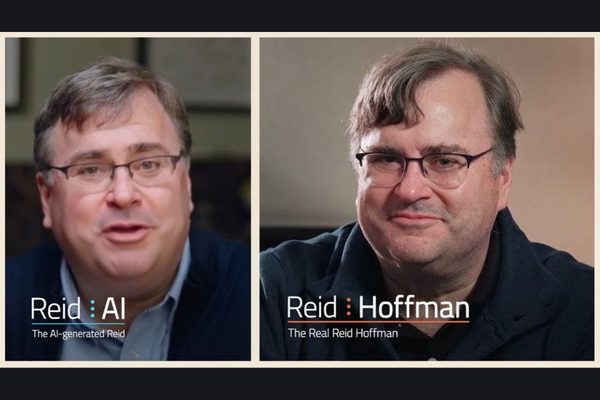
When you are a notoriously geeky tech billionaire, having an AI clone of yourself built and trained on all your books and public videos and then interviewing yourself probably seems like a good idea. Netflix founder Reid Hoffman just did that and started by asking his clone to summarize one of his books in the fictional Star Trek language of Klingon.
It's a bit of fun to introduce a wildly controversial idea: realistic AI clone is nearly indistinguishable from the real person it was trained on.
As you watch this interview, you'll have to admit the depiction is pretty realistic. In the conversation, Reid does briefly tackle the big question about the ethics of this technology while simultaneously dismissing it as relatively unimportant in his case because he's "doing it collaboratively."
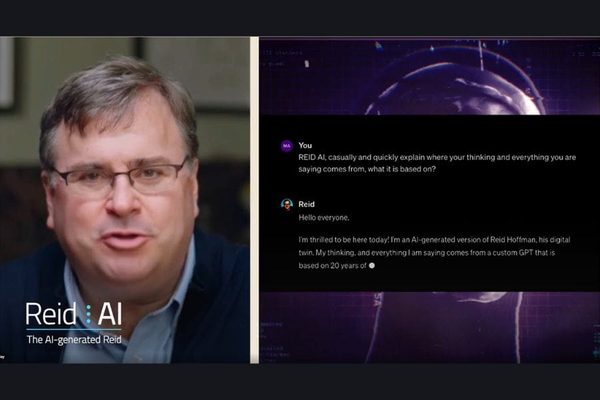
Is permission enough here? What happens if others get their hands on his clone and use it in their own ways which may not be so innocent? And is the idea that an AI clone of any of us can actually be controlled an illusion in itself? This raises so many questions, which may not be answered fully for a decade or longer.
Rohit puts questions like these to live audiences in his AI keynote, where the ethics arrive alongside the demos instead of long afterwards.
Book Rohit To Speak
Want to bring these ideas to your next event?
Rohit turns the thinking behind posts like this one into keynotes for audiences around the world, from Fortune 500 leadership teams to global industry conferences.
Learn More About Speaking
How It All Started
A Short Backstory Of This Blog
This is a blog about non-obvious ideas. Originally launched on the Typepad platform in 2005 as the Influential Marketing blog, the stories at first focused mainly on digital marketing while Rohit worked at Ogilvy Advertising. In 2015 Rohit officially rebranded to the Non-Obvious Insights Blog and published his WSJ bestseller Non-Obvious. For the past twenty one years, this blog has coined new terms, introduced future marketing practices and inspired the next generation of non-obvious thinkers and marketers.