







SEPTEMBER 18, 2026
Should We All Choose Media Based On the Rage It Causes?
There is a new four-hour documentary about Elon Musk and he is raging about how it’s a “hit job.” The upcoming movie about Sam Altman’s sociopathy is also getting similar PR responses from the Open AI team. Last year, Meta had a similar response to the explosive book Careless People about the leadership failures of Mark Zuckerberg. The year before that, President Trump raged about The Apprentice - a film about his business failures from early in his career. This is sort of the opposite of ragebaiting. Media that incites rage and angst in one person or a small group of people who are the subject of truthtellers who expose them for who they are.
It’s something I was thinking about this week as I started watching another show called The Audacity. It’s a dark satire of Silicon Valley with plenty of villains that are pretty clearly modeled after real companies and people. The behemoth tech brand is called Cupertino, and their CEO is “big Tim.” The show is described as being “powered by a sustaining belief: that the business it chronicles is no longer about creation but about extraction. Its version of Silicon Valley wants to strip-mine its consumers’ digital lives for granules of precious ore.” It’s hopeless depiction of Silicon Valley also created a stir ... and also seems highly plausible.
All of these examples led me to the central question of this article. The TV shows, movies or books that irk their subjects this deeply probably do so because they come closest to the truth. Should that make them irresistible (and necessary) for all of us to seek out and consume?
Book Rohit To Speak
Want to bring these ideas to your next event?
Rohit turns the thinking behind posts like this one into keynotes for audiences around the world, from Fortune 500 leadership teams to global industry conferences.
Learn More About Speaking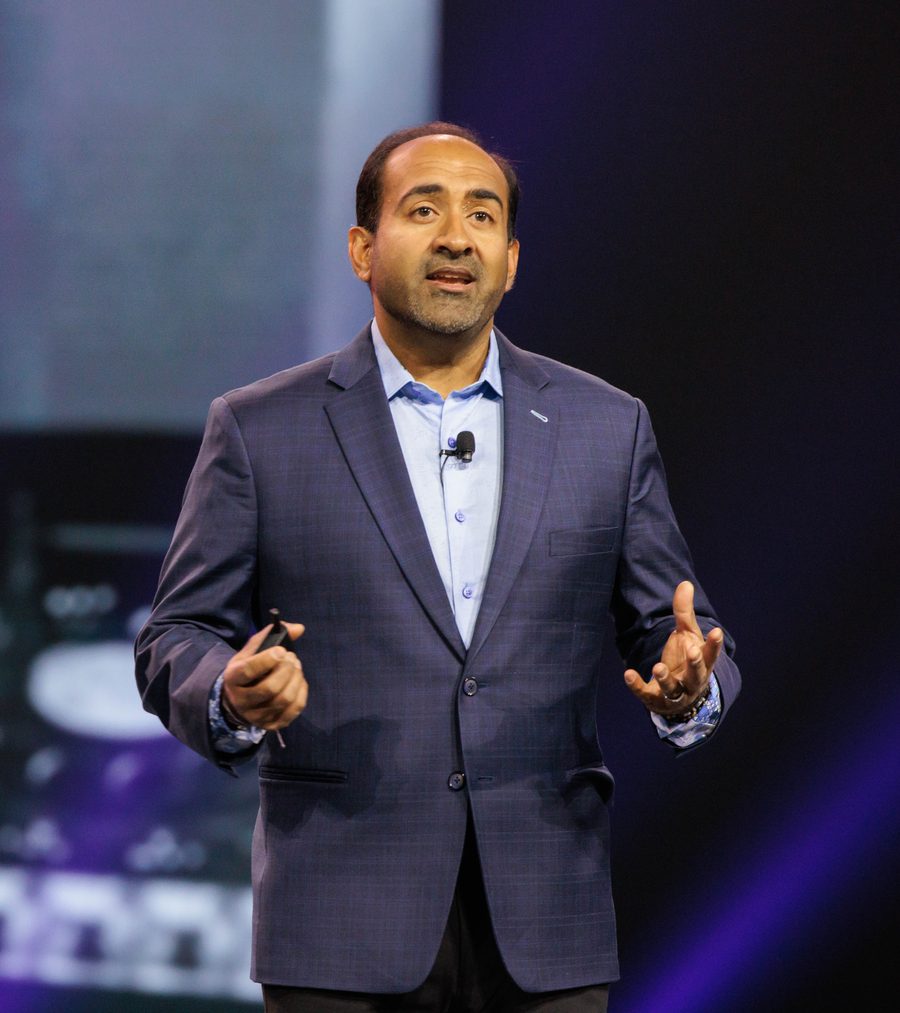
How It All Started
A Short Backstory Of This Blog
This is a blog about non-obvious ideas. Originally launched on the Typepad platform in 2005 as the Influential Marketing blog, the stories at first focused mainly on digital marketing while Rohit worked at Ogilvy Advertising. In 2015 Rohit officially rebranded to the Non-Obvious Insights Blog and published his WSJ bestseller Non-Obvious. For the past twenty one years, this blog has coined new terms, introduced future marketing practices and inspired the next generation of non-obvious thinkers and marketers.