






OCTOBER 28, 2013|BRANDS & MARKETING
Smoothies, Whiskey And The Art of Secondary Marketing
Have A Personality (Innocent Drinks)
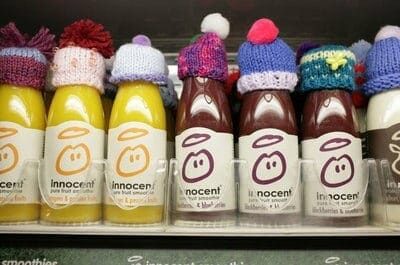
One of the best examples of brand personality that I have used often in presentations is Innocent Drinks - a smoothie maker out of the UK. For years they have had a charitable promotion with a nonprofit called Age Concern designed to help senior citizens by raising money by selling smoothies with tiny knit winter caps on them. The smoothie bottles sell at a premium, stand out on store shelves, and donate the extra proceeds to the charity. It's a signature effort, and one that has paid off for many years.Make It Interactive (J&B Whiskey)
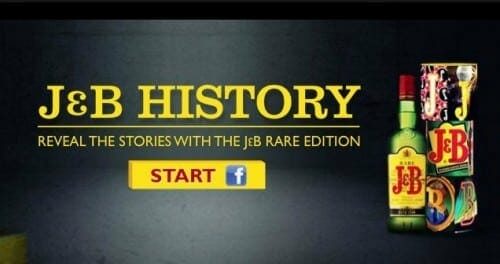 The latest promotion from J&B Whiskey features an interactive box that ties to a promotion on Facebook to get consumers to interact with the history of the brand. Through clever use of a fun package, the brand works to address the biggest challenge facing most liquor brands ... getting consumers to ask for their product by name and brand.
Whether you are in a role filled with processes and required approvals - or a more entrepreneurial fast moving culture, the idea of secondary marketing can inspire you to think just a little bit differently about how to promote something new without necessarily changing everything you already have to align with it.
The latest promotion from J&B Whiskey features an interactive box that ties to a promotion on Facebook to get consumers to interact with the history of the brand. Through clever use of a fun package, the brand works to address the biggest challenge facing most liquor brands ... getting consumers to ask for their product by name and brand.
Whether you are in a role filled with processes and required approvals - or a more entrepreneurial fast moving culture, the idea of secondary marketing can inspire you to think just a little bit differently about how to promote something new without necessarily changing everything you already have to align with it.
Related Posts
Book Rohit To Speak
Want to bring these ideas to your next event?
Rohit turns the thinking behind posts like this one into keynotes for audiences around the world, from Fortune 500 leadership teams to global industry conferences.
Learn More About Speaking
How It All Started
A Short Backstory Of This Blog
This is a blog about non-obvious ideas. Originally launched on the Typepad platform in 2005 as the Influential Marketing blog, the stories at first focused mainly on digital marketing while Rohit worked at Ogilvy Advertising. In 2015 Rohit officially rebranded to the Non-Obvious Insights Blog and published his WSJ bestseller Non-Obvious. For the past twenty one years, this blog has coined new terms, introduced future marketing practices and inspired the next generation of non-obvious thinkers and marketers.