








JUNE 1, 2005|NON-PROFITS & ADVOCACY
Store Wars Viral eAdvocacy Campaign Uses Popular Culture to Influence the Public
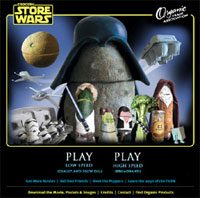 The first component of eAdvocacy is getting your issue on the radar screen. Piggybacking on the release of the new Star Wars movie, a viral campaign supporting organic produce offers a new take on eAdvocacy with a Star Wars parody at https://www.storewars.org/flash/. Produced by the same team that developed the award-winning "Meatrix" about the true story behind animal treatment at meat farms, this site is another strong viral effort to build awareness of a somewhat stale (no pun intended) current issue ... pesticides and chemicals used on corporate farms.
The site uses characters like "Dark Tater" and "Chew-Broccoli" to make its point encouraging users to choose organic fruits and vegetables and reject the produce from large corporate farms. Clearly, the smartest angle on this eAdvocacy piece is using the marketing dollars of Hollywood to help build awareness. We face similar challenges on all of our non-profit work. How do we get viral traffic with no marketing or advertising budget? Sure, humor helps to build buzz, but Store Wars shows that timing can be just as important. What are people interested in today? What's getting coverage in the media? And what has the most marketing dollars behind it? Yahoo's buzz index, focuses on what people are actually searching for. It's worth checking. The creative concept for the next big eAdvocacy campaign could be there.
Book Rohit To Speak
Want to bring these ideas to your next event?
Rohit turns the thinking behind posts like this one into keynotes for audiences around the world, from Fortune 500 leadership teams to global industry conferences.
Learn More About Speaking
How It All Started
A Short Backstory Of This Blog
This is a blog about non-obvious ideas. Originally launched on the Typepad platform in 2005 as the Influential Marketing blog, the stories at first focused mainly on digital marketing while Rohit worked at Ogilvy Advertising. In 2015 Rohit officially rebranded to the Non-Obvious Insights Blog and published his WSJ bestseller Non-Obvious. For the past twenty one years, this blog has coined new terms, introduced future marketing practices and inspired the next generation of non-obvious thinkers and marketers.