







OCTOBER 23, 2024|EDUCATION & LEARNING
Student Caught Using AI, So His Parents Sued School. This is Why It Matters …

“Parents sue school after son gets punished for using AI on class project.” That’s the short summary of a story trending this week about Massachusetts-based Jennifer and Dale Harris who are suing their son’s school claiming the student handbook “failed to clarify when AI could be used appropriately.”
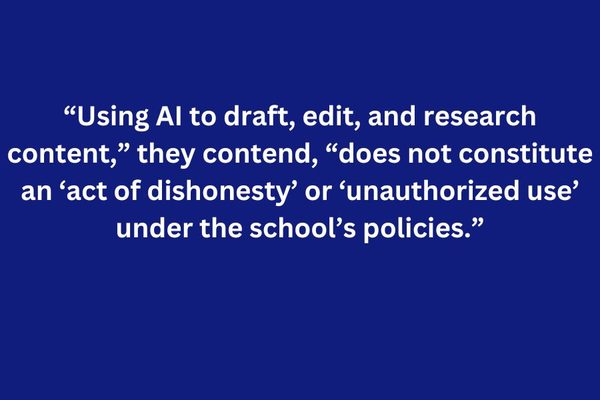
The story is a symbol of a confusing reality playing out in schools across the world. What’s the right way to use AI in classrooms and when (if at all) should it be banned? It also intersects lots of other issues like privilege (the student’s family can afford a lawyer), policy versus ethics, helicopter parenting (fighting kids battles for them) and terminology (is using AI considered plagiarism?)
While this seems like a relatively simple story of one kid whose parents are using legal methods to get him out of trouble, I suspect at some point a highly symbolic story of student vs. AI vs. school will become a landmark legal case that perhaps elevates all the way to the Supreme Court in the U.S. to determine what is and isn’t allowed.
Regardless of what you think about the parents and their distinctly American choice to turn to litigation as a first resort, the question asked here is undeniably important: what is an acceptable way to use AI in the classroom? We already need a better answer for that.
Rohit speaks on this topic. See his AI keynote.
Related Posts
Book Rohit To Speak
Want to bring these ideas to your next event?
Rohit turns the thinking behind posts like this one into keynotes for audiences around the world, from Fortune 500 leadership teams to global industry conferences.
Learn More About Speaking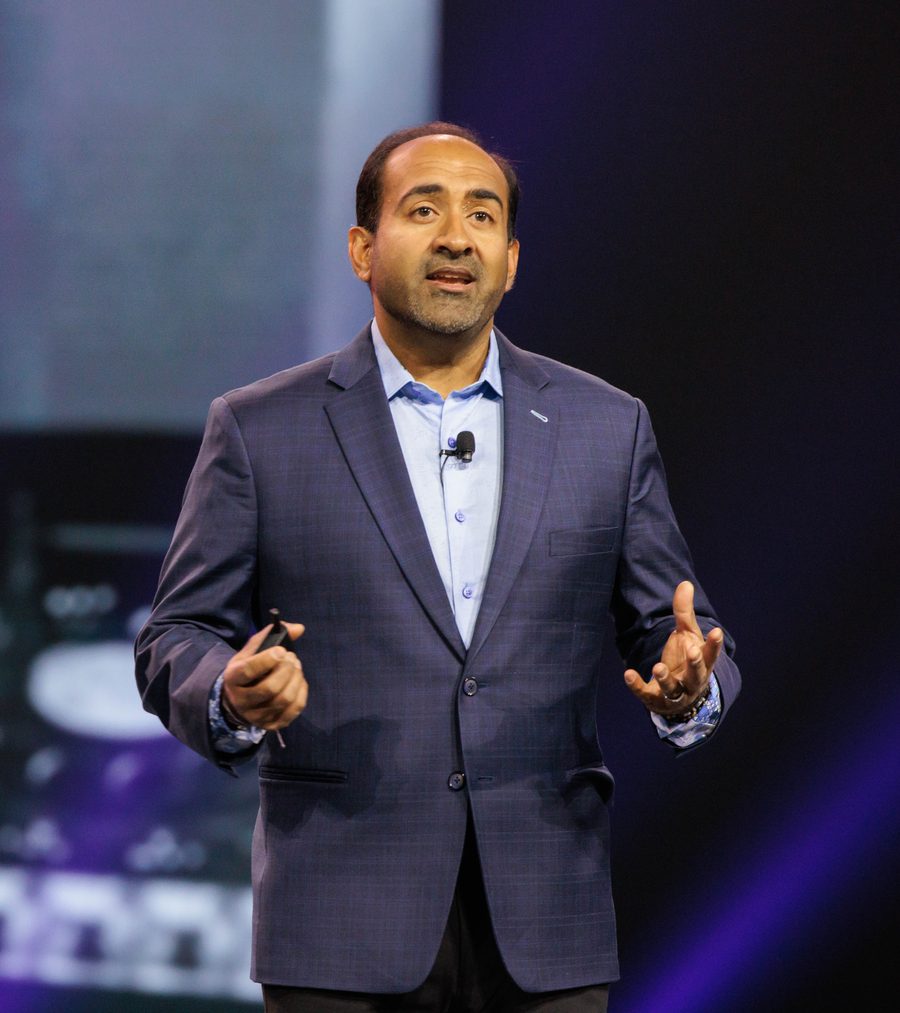
How It All Started
A Short Backstory Of This Blog
This is a blog about non-obvious ideas. Originally launched on the Typepad platform in 2005 as the Influential Marketing blog, the stories at first focused mainly on digital marketing while Rohit worked at Ogilvy Advertising. In 2015 Rohit officially rebranded to the Non-Obvious Insights Blog and published his WSJ bestseller Non-Obvious. For the past twenty one years, this blog has coined new terms, introduced future marketing practices and inspired the next generation of non-obvious thinkers and marketers.