







JANUARY 27, 2012|ECONOMICS & MONEY
The 4 Principles Of Delusional Economics
 When it comes to economic theories, there is plenty of fascination in the business world around how to explain what drives business and purchasing activities. Behavioural economics, the field of economics concerned with examining why people behave the way they do when it comes to their purchasing behaviour, is hot right now. Bestselling books like Freakonomics and Predictably Irrational dig deep into the psyche of people to try and explain seemingly illogical actions.
My own upcoming book called Likeonomics, to some degree, looks at a similar theme of why we do business with people and businesses we like and what impact likeability has on building a trusted business. As part of the research for that book, I have come across a disturbing number of examples of a new type of economic philosophy which is becoming sadly common, and which cannot be explained by modern economic theory.
I have started referring to this philosophy as Delusional Economics - a new economic principle which explains the growing number of businesses who expect some type of unreasonable behaviour change or act of altruism among their consumers in order to help their business succeed. This is not a strategy for success, even though sadly many businesses fall prey to it. Here are what I believe the four key principles of Delusional Economics are, and how you might avoid applying them to your own small business:
- Change a customer's worldview. A worldview is generally how a person sees the world around them, and it is usually the toughest element of perception to change. It is why people vote the way they do, why they sometimes blindly believe something or someone, and why they approach life in the manner that they do. To attempt to change how they see the world as part of your business strategy is usually a waste of time and effort.
- Getting people to pay for something that is currently free. When a customer has become used to getting something for free, you really need to offer a compelling reason about why they should pay for something similar. Is it better, faster, more complete or more premium? Whatever the benefit, you need to make sure it is truly compelling to move people past the hurdle of being free.
- Basing a business model on revenue from nonexistent advertisers or customers. More than one tech startup has been launched over the last several years with an extremely naive view of what advertisers will pay for. They have a revenue model based on advertising, but no pipeline or ability to get those customers. The end result is that their entire business success hinges on being able to connect with a key audience that doesn't even really exist.
- Overestimating a customer's ability to appreciate value worth paying a premium for. A common problem with products or services targeted to the higher end of the market is that people in general are not that good at being able to detect what value is worth paying for. If I told you a bottle of wine was $100, you would assume it was great wine. If a wine bottle cost less than $5, it probably wasn't. This is fine when it comes to wine, but in your business and industry it is probably much harder for a customer to discern the real value that they get and understand that it may be worth paying more for.
Book Rohit To Speak
Want to bring these ideas to your next event?
Rohit turns the thinking behind posts like this one into keynotes for audiences around the world, from Fortune 500 leadership teams to global industry conferences.
Learn More About Speaking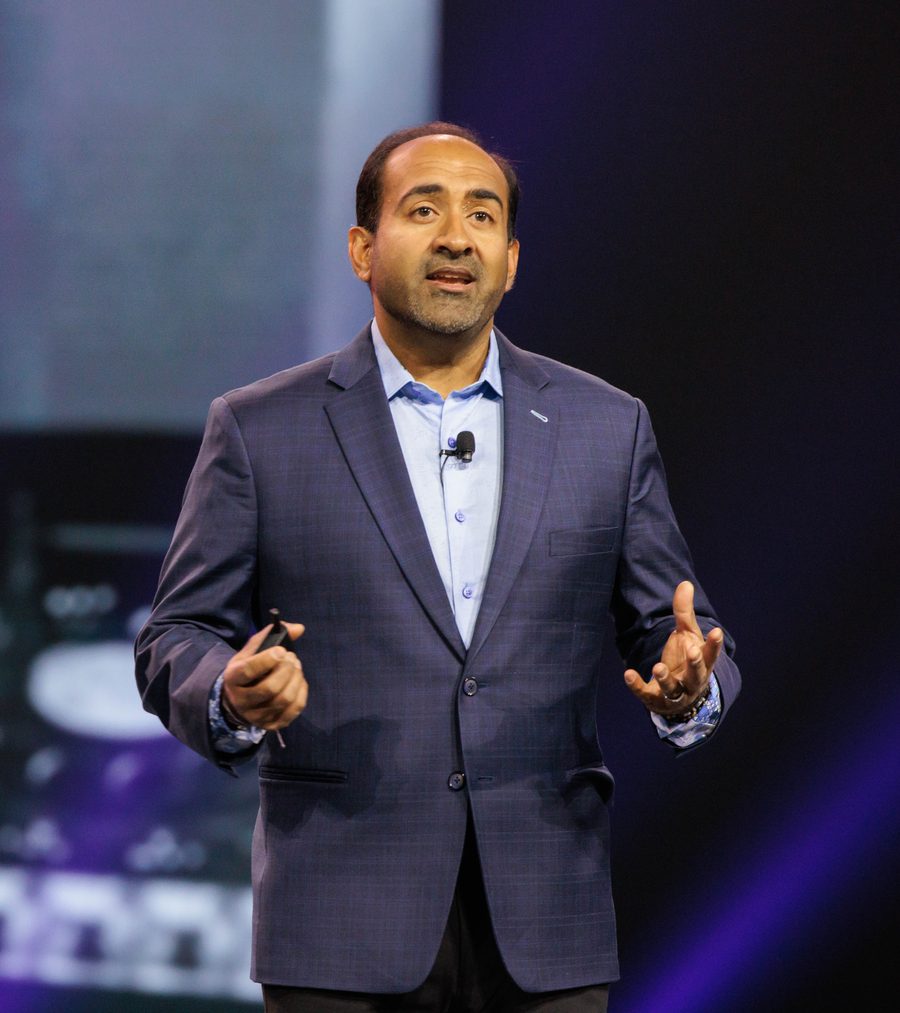
How It All Started
A Short Backstory Of This Blog
This is a blog about non-obvious ideas. Originally launched on the Typepad platform in 2005 as the Influential Marketing blog, the stories at first focused mainly on digital marketing while Rohit worked at Ogilvy Advertising. In 2015 Rohit officially rebranded to the Non-Obvious Insights Blog and published his WSJ bestseller Non-Obvious. For the past twenty one years, this blog has coined new terms, introduced future marketing practices and inspired the next generation of non-obvious thinkers and marketers.