







MAY 8, 2023|HISTORY & CURIOSITIES
The $400 Million Coffin and How Much Of Museum Exhibits Are Stolen
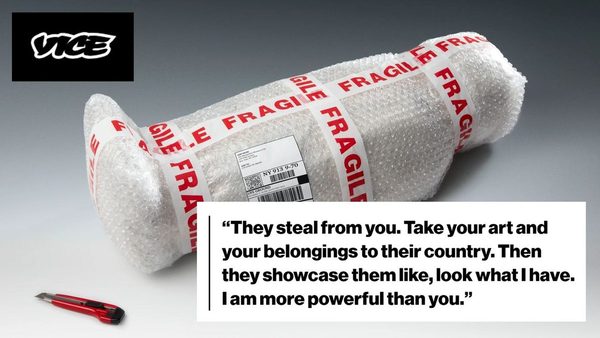
Switzerland was once the unofficial headquarters for antiquities laundering, the practice of fabricating a paper trail for stolen artifacts so they could be sold "legitimately" to art collectors or museums. After new legislation several years ago, the hub of illegality moved to Dubai.
This is just one fact from a fascinating Freakonomics podcast episode that focused on the often sordid history of artifacts, how much of it is stolen, and the very tricky process of repatriation where art is returned to its rightful place of origin ... sometimes thanks to minutiae like a random photo of Kim Kardashian standing in front of a $400m gold coffin.
I also came across the entertaining Smithsonian story about the history of 106 rare clocks stolen in a heist. Stories like these mix business, art, crime, law and geopolitics in a real life tale that seems like a movie. In this case, together they made me think about the complex history of the artifacts that represent human culture. If you've ever watched a film called The Red Violin (one of my favorites), you know what I mean. The journey these objects take can sometimes inspire a history of its own.
Related Posts
Book Rohit To Speak
Want to bring these ideas to your next event?
Rohit turns the thinking behind posts like this one into keynotes for audiences around the world, from Fortune 500 leadership teams to global industry conferences.
Learn More About Speaking
How It All Started
A Short Backstory Of This Blog
This is a blog about non-obvious ideas. Originally launched on the Typepad platform in 2005 as the Influential Marketing blog, the stories at first focused mainly on digital marketing while Rohit worked at Ogilvy Advertising. In 2015 Rohit officially rebranded to the Non-Obvious Insights Blog and published his WSJ bestseller Non-Obvious. For the past twenty one years, this blog has coined new terms, introduced future marketing practices and inspired the next generation of non-obvious thinkers and marketers.