








FEBRUARY 1, 2010|ENTERTAINMENT & HOLLYWOOD
The 52nd Grammys Offer Hope For The Future Of Music
 Last night was an unlikely stage to unveil the future of music. The 52nd Annual Grammys were on the last Sunday in January as they have been many times before ... only this time they were up head to head against the NFL Pro Bowl being played for the first time in the week before the Super Bowl instead of the week after. Add to that the continued financial woes of the music industry and perception of recording studios as relics of a time
 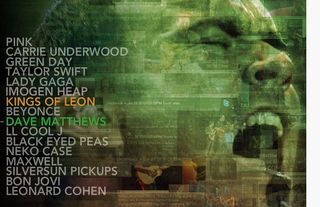 past and you had the perfect recipe for a show that was at best mildly entertaining, and at worst completely irrelevant.
 That's what I might have thought a few weeks ago. But then I started getting emails from the PR team at The Recording Academy (the group behind staging the Grammys) sharing some of the digital content they would be creating around the show. And the buzz around the office started circulating when people began to uncover the interactive fan site www.wereallfans.com. Then the show started last night and it was clear that this wasn't like other awards shows, or like the Grammys of the past. Here are a few of the most interesting changes that I noted in the show and leadup to it:
- Reinvent the format. There are few television spectacles that have as staid a format as the awards show. They are so similar, in fact, that when The Simpsons chose to parody the format in one episode, it was almost recognizable as a real show. This year the Grammys had a clear focus on the music instead of the wooden awards presentations where various celebrities read unfunny lines off a teleprompter. Most awards were given out during the pre-telecast. As a result, music fans got plenty of time during the show to enjoy the one thing actually worth watching ... the performances.
- Give fans a say in programming. The once sacred job of programming the show was opened up this year as fans had the chance to vote for a particular song for Bon Jovi to sing. This was a great start for giving audiences the ability to influence the composition of the show and I bet it gave people that direct interaction with the show in a way that previous years didn't. In coming years, I would love to see this idea travel even further - to allow fans to even suggest dream pairings of musicians together.
- Never-before-seen duets. In a show like the Grammys, you have the chance to have musicians who would normally never collaborate perform together. While this may have always been true, this year those artistic mashups seemed to happen with more frequency than in any other year. The end result was that the live performances with unexpected duets like the opening act of Lady Gaga together with Elton John create a feeling that you are really seeing a once-in-a-lifetime performances.
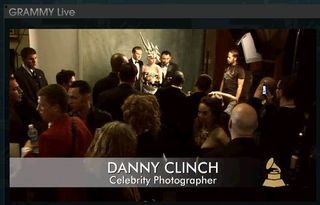 Live stream to add context. Throughout the pre-show and after the show you could tune in online to watch the show around the show - for 72 hours straight. This live stream offered professional context by letting you see all the other awards and experience the music - but also offered a dose of reality as at various moments you could hear the staff talk about random things such as who they peed next to in the bathroom and a photo session with the crazy hat lady. What all of this gave you was a behind-the-scenes look at how a show like this was put together and how the music that you enjoy watching or hearing comes together as well.
- Create a movement bigger than pageantry or celebrity. Beyond the points above, what I found the most powerful theme that ran through the Grammys was how they tried to promote the importance of music itself. They offered support for keeping music programs in public schools, and pleaded with consumers to actually pay for music they love instead of stealing it online. There was even a panel before show about social media and music. Argue if you want about the model for distributing music online - but with a show as high profile as the Grammys, arguing for the importance of music is exactly the message a show like this should deliver.
Book Rohit To Speak
Want to bring these ideas to your next event?
Rohit turns the thinking behind posts like this one into keynotes for audiences around the world, from Fortune 500 leadership teams to global industry conferences.
Learn More About Speaking
How It All Started
A Short Backstory Of This Blog
This is a blog about non-obvious ideas. Originally launched on the Typepad platform in 2005 as the Influential Marketing blog, the stories at first focused mainly on digital marketing while Rohit worked at Ogilvy Advertising. In 2015 Rohit officially rebranded to the Non-Obvious Insights Blog and published his WSJ bestseller Non-Obvious. For the past twenty one years, this blog has coined new terms, introduced future marketing practices and inspired the next generation of non-obvious thinkers and marketers.