








AUGUST 14, 2025|NON-OBVIOUS THINKING
The "Anna Karenina Principle" That Explains How Optimists Differ from Pessimists
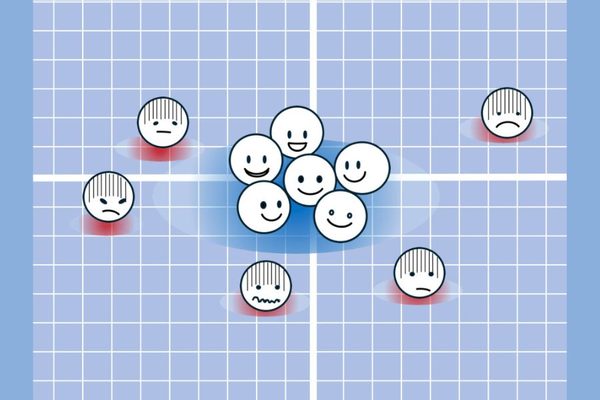
The first line of Leo Tolstoy's famous novel Anna Karenina offers this observation:
“All happy families are alike; each unhappy family is unhappy in its own way.”
Based on a recent research study, there may be some science that actually proves his point. Neuroscientists studying key brain patterns among people who imagined positive events with a feeling of optimism versus those who did so with pessimism found that the optimists brain patterns were largely similar. For pessimists, those same patterns varied widely. The aim of the study was to try and understand what distinguishes optimistic thinking from pessimism.

Given the conclusions of prior studies showing that optimists have larger social networks, higher acceptance from peers and generally show better physical, mental and social health ... this is an important psychological difference to study. There is also evidence to suggest that optimistic versus pessimistic thinking may evolve with age and that extreme optimism may also be unwise because it can prevent someone from adequately preparing for the future.
Rohit speaks on this topic. See his innovation keynote.
Book Rohit To Speak
Want to bring these ideas to your next event?
Rohit turns the thinking behind posts like this one into keynotes for audiences around the world, from Fortune 500 leadership teams to global industry conferences.
Learn More About Speaking
How It All Started
A Short Backstory Of This Blog
This is a blog about non-obvious ideas. Originally launched on the Typepad platform in 2005 as the Influential Marketing blog, the stories at first focused mainly on digital marketing while Rohit worked at Ogilvy Advertising. In 2015 Rohit officially rebranded to the Non-Obvious Insights Blog and published his WSJ bestseller Non-Obvious. For the past twenty one years, this blog has coined new terms, introduced future marketing practices and inspired the next generation of non-obvious thinkers and marketers.