








JULY 19, 2024|MEDIA & JOURNALISM
The Assassination Attempt and Why the “Obvious” Conclusions Are Usually Wrong
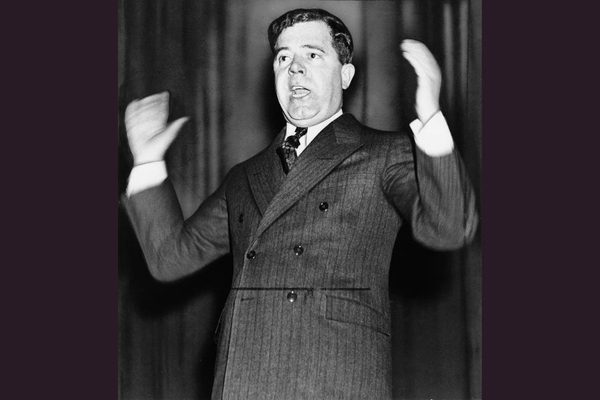
The biggest news story of the past week was certainly the assassination attempt on former President Trump’s life and almost immediately in the aftermath of the shooting there were plenty of theories about what had happened and who was behind it. The media dutifully reported on all of it, from conspiracy theories to early guesses about motives and intentions. The best thing I read this week, though, was an article from writer Dan Gardner retelling the story about the assassination of Senator Huey Long in 1935 by a man with a pistol. In the days after that seismic moment in American history, most people and the media just assumed the shooting was politically motivated. The theory made sense, since Long was indeed a divisive figure.

Eventually, the truth emerged. His assassin was motivated because Long had hurt the re-election chances of the shooter’s father-in-law for a local election. Years later, when John F. Hinckley shot President Reagan in the 1980s, Hinckley’s motivation also wasn’t political ideology but the delusion that shooting the President would be the best way to get the attention of actress Jodi Foster, who Hinckley was infatuated with. The point, Gardner writes, is that “the world is fantastically complex — so complex that any time a major event happens the number of possible explanations for that outcome is huge. Now, a big chunk of those possible explanations will be extremely improbable.”
It’s a valuable historical reminder that despite the media (and our own) rush to assign obvious and logical motivations to violent acts, the truth may turn out to be something completely unexpected and impossible to predict. So, the real lesson is that we best avoid jumping to the easy, but often incorrect, conclusions.
Book Rohit To Speak
Want to bring these ideas to your next event?
Rohit turns the thinking behind posts like this one into keynotes for audiences around the world, from Fortune 500 leadership teams to global industry conferences.
Learn More About Speaking
How It All Started
A Short Backstory Of This Blog
This is a blog about non-obvious ideas. Originally launched on the Typepad platform in 2005 as the Influential Marketing blog, the stories at first focused mainly on digital marketing while Rohit worked at Ogilvy Advertising. In 2015 Rohit officially rebranded to the Non-Obvious Insights Blog and published his WSJ bestseller Non-Obvious. For the past twenty one years, this blog has coined new terms, introduced future marketing practices and inspired the next generation of non-obvious thinkers and marketers.